Alienware AW3926QW performance review
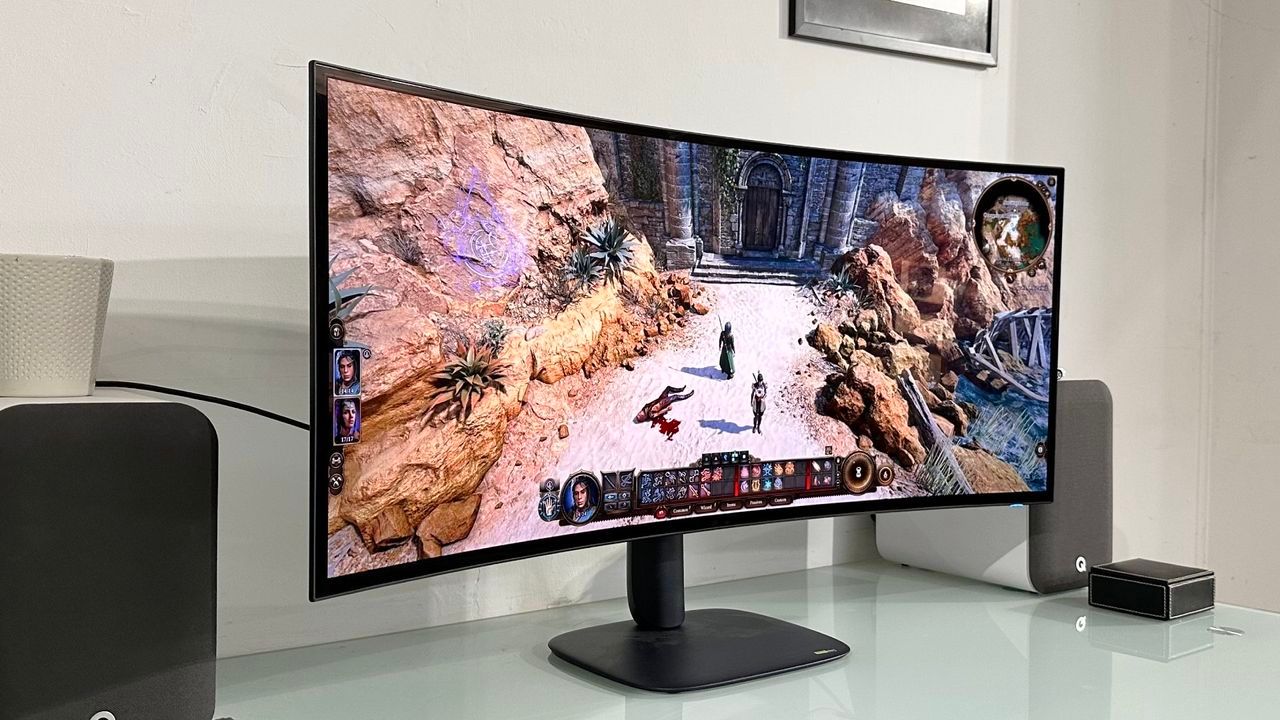
The quest for the ultimate gaming display often involves a trade-off, but the arrival of the Alienware AW3926QW—a 39-inch 5K2K OLED behemoth—has brought with it more than just stunning visuals. It has sparked a lively debate among enthusiasts, pitting cutting-edge technology against real-world user experience.
On paper, the monitor is an absolute powerhouse. It features LG’s advanced Tandem WOLED technology combined with pure RGB-stripe subpixels, delivering a massive 5K2K resolution (5,120 x 2,160) and an expansive 39-inch ultrawide format with a pleasing 1500R curvature. With a blistering 330 Hz dual-mode refresh rate and a rapid 0.03 ms response time, it sets a new standard for immersion. Furthermore, it boasts DisplayHDR True Black 500 certification, all while being priced significantly below competing high-end 5K2K OLED panels.
This competitive edge is amplified by the choice of panel technology. While many competitors rely on the traditional RGWB subpixel structure, the Alienware panel utilizes LG’s latest Tandem WOLED iteration with RGB-stripe technology. This structure is designed to offer the vibrancy and color coverage similar to competitor QD-OLED displays, minimizing the traditional drawbacks like excessive warmth or color shifting, while maintaining superior contrast and per-pixel lighting.
The visual results are immediately striking. Testing shows that the AW3926QW manages to deliver punchier, more accurate colors than panels using the traditional structure, making the image feel incredibly vibrant and true-to-life. It genuinely pushes the boundaries of what OLED can achieve, offering a level of visual fidelity that rivals premium alternatives.
However, like any cutting-edge display, the monitor has generated some buzz regarding subtle performance quirks. Early adopters have raised concerns about green tinting, and more notably, the phenomenon of so-called “vignette dimming” where the edges of the screen slightly dim during or immediately after gaming sessions.
This corner dimming is often tied to LG’s proprietary burn-in prevention feature, Convex Power Control (CPC), which dims the edges to protect the OLED pixels. While this is a necessary protective measure, the effect can be noticeable. Users report that this dimming takes about thirty seconds to fully fade when switching between gaming and desktop use, creating a slight visual discrepancy that requires an adjustment period.
Despite these minor nuances, the core experience remains exceptional. The monitor handles high-refresh-rate gaming effortlessly, offering both native 5K2K performance and flexible dual-mode options. When factoring in the incredible detail, the contrast, and the sheer speed of the panel, the Alienware AW3926QW stands out as a truly phenomenal display for both hardcore gamers and daily computing.
Ultimately, the monitor’s proposition is compelling: it delivers specs that are elite, a cost that is aggressive, and a visual experience that is simply fantastic. While the subtle edge dimming requires a little adaptation, the overall picture is a triumph of modern display engineering, easily earning its place as a serious contender in the ultra-high-end market.
Buy on Amazon
Credit
