Amazon abandons Middle East data centers after drone strikes
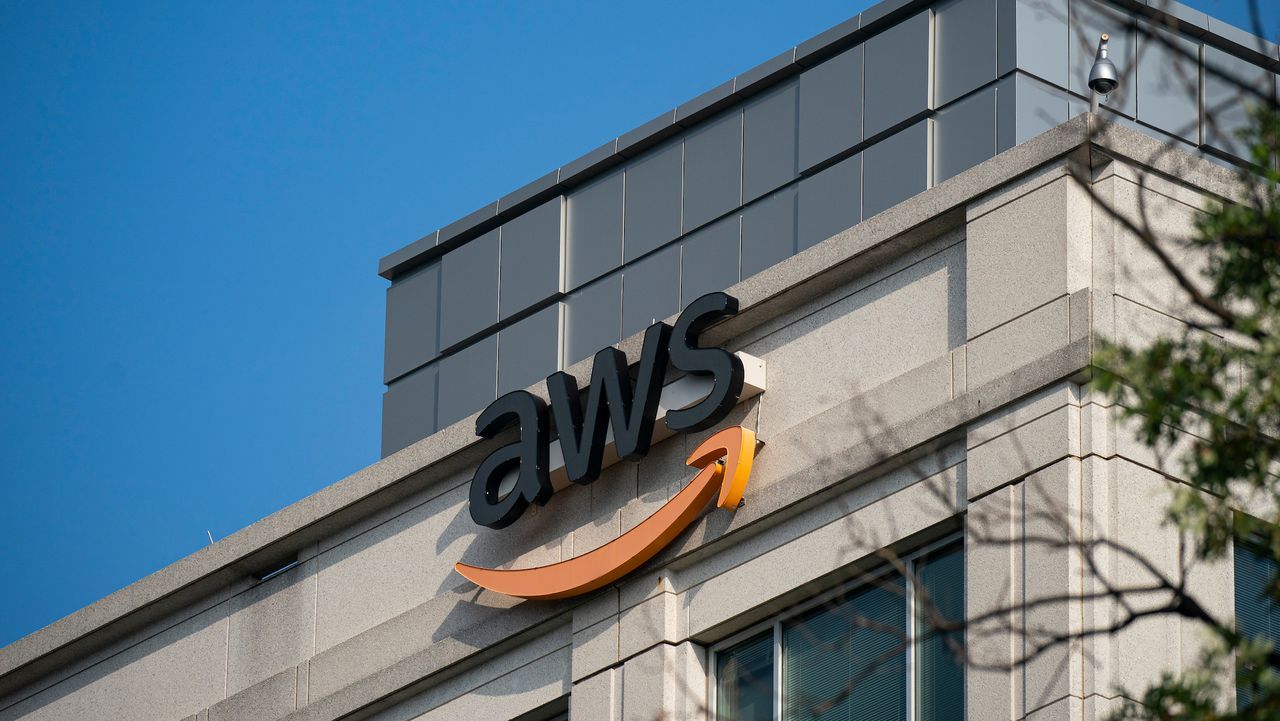
The digital backbone of the global economy is facing an unprecedented threat. More than six months after data centers in Abu Dhabi and Bahrain were targeted by drones, a massive technological migration is underway as Amazon Web Services (AWS) scrambles to move customer data to safer regions.
This forced relocation is more than just a logistical headache for tech giants; it is a stark reminder of how regional instability and geopolitical conflict can instantly cripple global infrastructure. The incident highlights the vulnerability of critical facilities, especially those handling sensitive financial and banking information.
The attacks, which targeted these vital AWS facilities, occurred amidst the broader tensions stemming from the conflict in the Middle East. While AWS continues the painstaking process of repairing the damaged infrastructure, the timeline for full recovery remains uncertain.
The situation underscores a deeper concern regarding the security of data centers. These facilities, which serve critical sectors like banking and finance, cannot tolerate downtime. The risk is magnified when physical damage, such as fires caused by drone strikes and subsequent firefighting efforts, further compounds the damage to the physical structures.
The geopolitical context adds another layer of complexity. The attacks were linked to actions taken by groups associated with the Islamic Republic of Iran, which has claimed responsibility for strikes on various data centers and other tech entities across the region.
This instability poses a direct challenge to ambitious regional strategies, particularly in the United Arab Emirates. The UAE has long pursued a goal of becoming a global leader in data processing, lobbying for access to advanced AI chips for its data centers. However, the ongoing regional fears have stalled these plans.
Officials are now grappling with how to balance technological ambition with physical security. To mitigate future threats, discussions are underway about unconventional defenses, including the potential for underground data centers or the deployment of advanced drone defense systems near critical infrastructure.
The threat is not confined to the Middle East. Reports indicate that the volatility extends to major global technology players, with claims emerging that these groups have targeted facilities linked to Oracle, Nvidia, and other major tech companies, suggesting a widespread, coordinated challenge to the digital supply chain.
Ultimately, the story of the damaged AWS centers is a powerful illustration: in an increasingly interconnected world, the security of our data is inextricably tied to the stability of the nations we inhabit.
Credit
