
Amazon breaks rules to build massive AI center locks out Gilroy voters
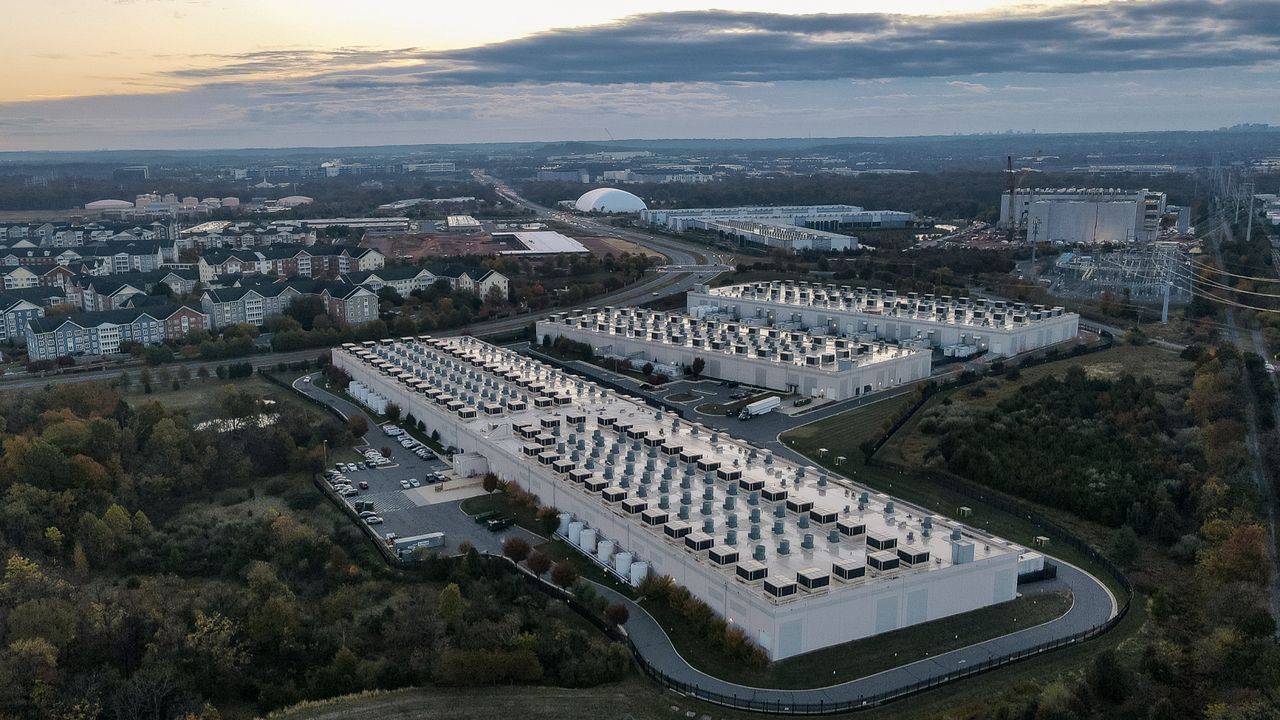
The arrival of massive technology projects often sparks a predictable reaction: excitement mixed with anxiety about environmental impact and local resources. In Gilroy, California, this tension became particularly acute when Amazon initiated construction on a new data center, bringing with it a complex story about corporate ambition, zoning history, and community engagement.
The project sits on 56 acres of farmland, nestled between a Walmart Supercenter and the Gilroy Premium Outlets. While the development unfolded rapidly, it bypassed many of the public debates that typically accompany such large-scale infrastructure builds. This avoidance of scrutiny is partly due to the site adhering to local zoning rules established nearly 45 years ago, a detail that often dictates the speed and shape of local development decisions.
The initial application process in 2020 was anything but smooth. Disagreements arose between Amazon and the city government over permitting delays, with some company officials expressing frustration over slow progress, while local authorities pushed back on certain requests. This friction highlights the constant negotiation that occurs when global giants seek to establish operations within local jurisdictions.
When residents raised concerns about potential environmental damage—specifically the strain a data center places on drought-affected regions—the window for public input had already closed. A resident sought to voice these fears, but the official comment period had lapsed in 2024, long before data center opposition became a national hot topic.
Gilroy City Mayor Greg Bozzo acknowledged this disconnect. He noted that while other industrial projects similar in scale had moved forward without resistance, the data center presented a unique challenge. “It didn’t bother them that a food-distribution center came to Gilroy without their engagement, but now it bothers them that a data center is coming to Gilroy without them having the possibility of engagement,” Bozzo stated.
Despite this oversight, Amazon sought to adjust its approach. The company engaged more directly with the community, hosting open houses to address questions and gather comments. Furthermore, they tackled specific anxieties about water usage by committing to construct a wastewater recovery system and build pipelines to supply their needs from the source.
Beyond environmental concerns, the development promised tangible economic benefits for the city. Amazon is set to bring increased tax revenue, create construction jobs, and make a million-dollar donation toward a new fire truck. The company also supported local initiatives by providing grants to non-profit organizations and sponsoring the annual Gilroy Garlic Festival.
Ultimately, the narrative surrounding the Amazon data center in Gilroy shifts focus from the physical structure itself to the process of approval. The real discussion centers on how large-scale development can be managed with greater transparency, ensuring that vital community input is integrated long before construction begins. It’s a reminder that adaptation and open dialogue are key to navigating the future of development.
Buy on Amazon
Credit