
Jetson chip found in Russian missile Ukraine links it to AI
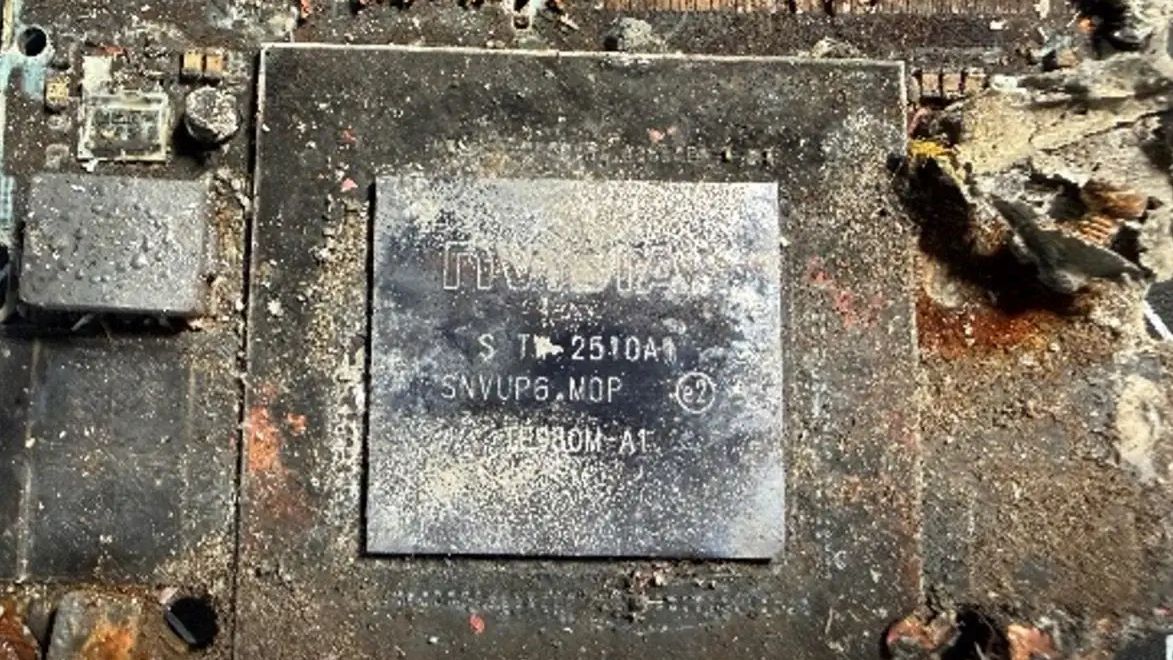
The cutting edge of military hardware is increasingly being fueled by consumer technology. A recent claim has brought the surprising reality of this trend into sharp focus, detailing how Russia’s S-71 Monochrome cruise missiles are integrating artificial intelligence powered by Nvidia’s Jetson Orin modules.
This integration points toward a shift where advanced targeting and autonomy are no longer exclusive to specialized military hardware, but can be achieved using readily available, powerful computing systems. Reports suggest that the S-71 missile is distinguished by reduced observability and autonomous targeting capabilities, achieved through this sophisticated onboard processing.
The core of this innovation lies in the use of Nvidia’s Jetson Orin modules. These System-on-Module (SoM) units are not simply off-the-shelf components; they represent powerful automotive-grade solutions designed for vision and perception, capable of handling complex AI calculations. The specific module reportedly found within these missiles bears markings that align with the Jetson Orin NX 8GB/16GB system-on-module architecture.
The Jetson Orin NX is a powerhouse, featuring up to eight Arm Cortex-A78AE cores and a GPU built on the Ampere architecture. It boasts up to 157 sparse INT8 TOPS performance for AI, alongside dedicated NVDLA engines and vision accelerators—making it ideal for real-time image recognition and local decision-making.
In the context of missile guidance, this capability is highly valuable. Experts suggest that the Jetson Orin NX could function as a dedicated electro-optical perception computer, allowing the missile to recognize images in real time and assist its terminal guidance system. This moves the technology from simple targeting to sophisticated, autonomous situational awareness.
The implications extend beyond these cruise missiles. Earlier intelligence reports suggested that Russia had already tested similar principles by using Jetson Orin NX modules in its Shahed MS001 autonomous drones for local target identification and guidance. This establishes a precedent for integrating consumer AI hardware into advanced military systems.
Nvidia has clarified the status of these powerful chips, positioning the Jetson Orin modules as consumer-grade products sold to developers, students, and startups. While high-end AI accelerators like the H100 are subject to strict export controls, Nvidia maintains that the hardware capable of running advanced models locally is available commercially. This distinction highlights a complex area where commercial technology meets defense applications.
Ultimately, the story of the Jetson Orin modules illustrates a growing convergence: powerful, accessible artificial intelligence tools are moving rapidly from the developer’s bench into operational military systems, redefining what constitutes advanced weapon technology in the modern era.
Buy on Amazon
Credit

