Ambrus invited to the Blood of Dawnwalker
The Price of Blood: Weighing Morality in Blood of Dawnwalker
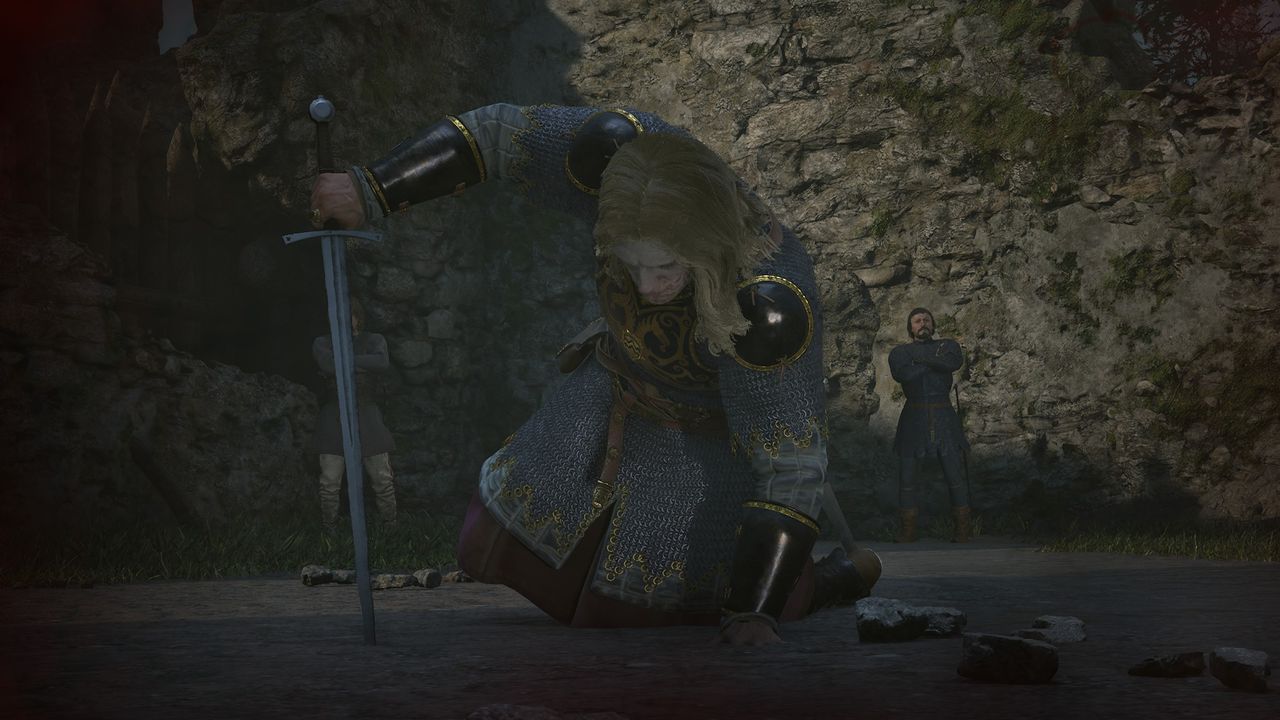
Making decisions in the world of Blood of Dawnwalker often come with a heavy moral cost. One particular choice, whether to invite the enigmatic Vrakhir Ambrus into your journey, forces players to grapple with complex ethical dilemmas that extend far beyond simple gameplay mechanics. Is the allure of power worth the price, and what invisible threads connect our actions to the fate of those we encounter?
The decision hinges on whether you view Ambrus as a vessel for redemption or a soul destined for eternal torment in the shadowed realms of Anachora. This isn’t just a matter of narrative preference; it’s an invitation to shape the moral landscape of the game itself.
So what happens when you decide to invite Ambrus in? The immediate consequence is deeply personal. You gain a unique, unseen companion who weaves his presence into your experience, offering commentary and internal reflections throughout the adventure. This isn’t just standard dialogue; Ambrus becomes a subtle voice in your head, reacting to your choices in combat and during critical moments. For some players, this interaction is so memorable—even one particular comment—that it elevates the entire experience.
Mechanically, the ripple effect of this choice is surprisingly subtle. Inviting him does not alter your abilities, your level of Corruption, or your innate vampiric powers. However, there is a tangible mechanical reward: access to the Scarlet Shield ability. This powerful skill offers healing whenever you successfully Perfect Block, proving that even moral decisions can yield exciting gameplay benefits.
The true weight of the choice lies in the aftermath. While Ambrus offers support in the final confrontations, his role remains fluid. He can be a source of aid or a potential liability in the fight itself, creating a truly dynamic situation where outcomes are never guaranteed. This is the classic “swings and roundabouts” of adventure—a situation where goodwill can quickly turn to conflict.
Ultimately, the decision to invite Ambrus is a reflection of the player’s philosophy. It asks you to consider the narrative of consequence: do you seek to offer a path to redemption to a tormented figure, or do you wish to witness his eternal suffering? This choice mirrors the larger theme of the game, pushing you to define what kind of hero—or antagonist—you are willing to become in the unforgiving landscape of Vale Sangora. It’s a choice that rewards introspection as much as action.
Buy on Amazon
Credit
