AMD Ryzen 7 7700X3D review and performance
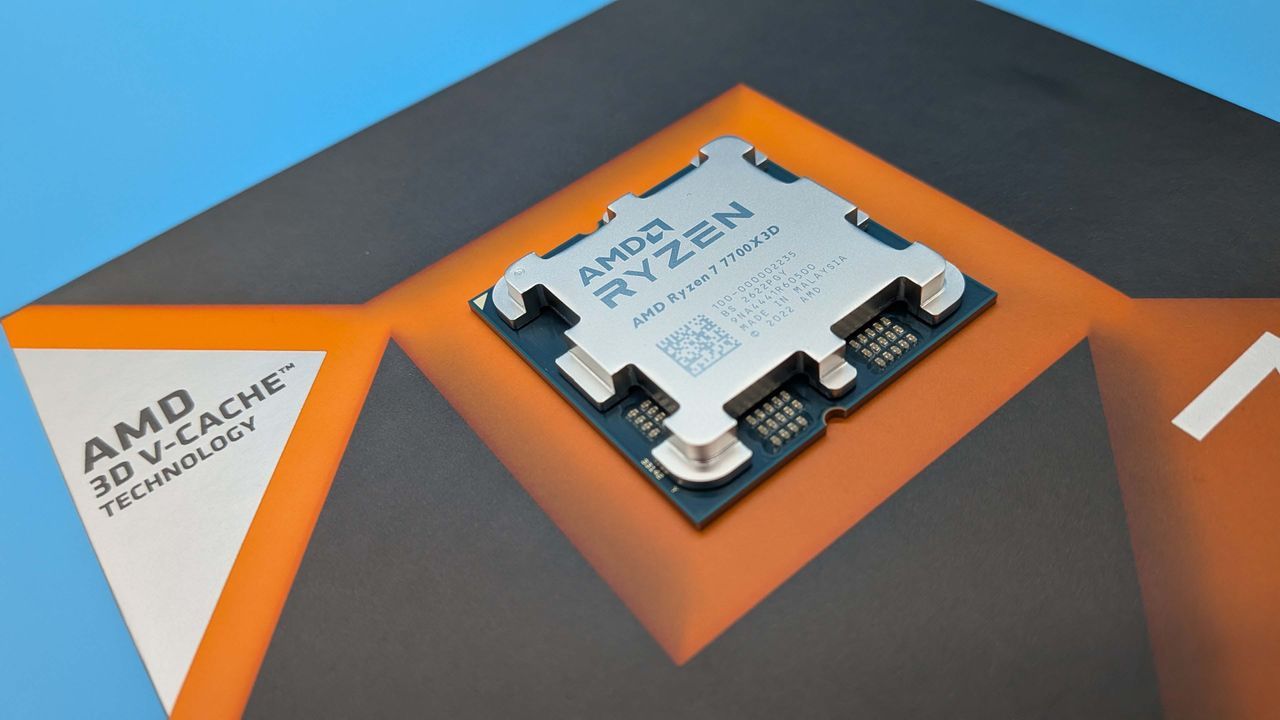
This text is an excerpt from a detailed technical comparison, likely a hardware review, contrasting various AMD Ryzen CPUs (especially the X3D series) with the Intel Core Ultra 5 250K Plus, focusing on performance benchmarks, thermal results, and perceived value.
Here is a summary of the key information and conclusions presented in the text:
1. Performance Benchmarks
The review uses several benchmarks to assess the CPUs:
Cinebench 2024 Data: Compares single-core and multi-core index scores across the different processors.
Blender 4.2.0 Data: Measures performance in a demanding rendering application.
7zip Data: Measures CPU efficiency in compression and decompression tasks (GIPS).
Handbrake 1.8.1 Data: Measures video encoding performance.
2. Thermal and Power Performance
The text provides specific thermal measurements using a stress test (Metro Exodus):
Temperature: The AMD Ryzen 7 7700X3D is noted as being very cool, running at an average of 61°C under load.
Power Draw: The 7700X3D draws significantly less power from the PSU compared to the 7700X when running gaming workloads.
Comparison: While the Intel Core Ultra 5 250K Plus draws more power (e.g., 91W in the test) and runs hotter (57°C for Intel vs. 61°C for AMD), the reviewer notes that the Intel chip offers excellent gaming performance despite the higher power draw in compute-heavy scenarios.
3. Key Conclusions and Value Proposition
The review draws specific conclusions regarding the trade-offs between the two platforms:
Compute vs. Gaming Focus: The text suggests that the Core Ultra 5 250K Plus demonstrates peak compute performance for a budget processor, offering more cores than the gaming-focused AMD X3D chips.
Gaming Performance: Despite the Intel chip being stronger in raw compute metrics, the AMD X3D chips (like the 7700X3D) are highlighted as being “cooler” and very capable for gaming.
Value: The reviewer expresses a conundrum regarding the AMD Ryzen 7 7700X3D‘s value. While the 7800X3D is established, the 7700X3D offers performance parity at retail prices, and the value proposition is further enhanced when considering bundle deals or system builds.
Overall Takeaway: The final sentiment is that the choice depends on the priority: if you prioritize absolute minimum power consumption and excellent gaming stability, the X3D chips excel. If you prioritize raw, multi-core compute power and are comfortable with higher power usage, the Intel option is a strong budget alternative.
Buy on Amazon
Credit
