AMD Venice-X: 96 Cores and 1152MB V-Cache CPU power
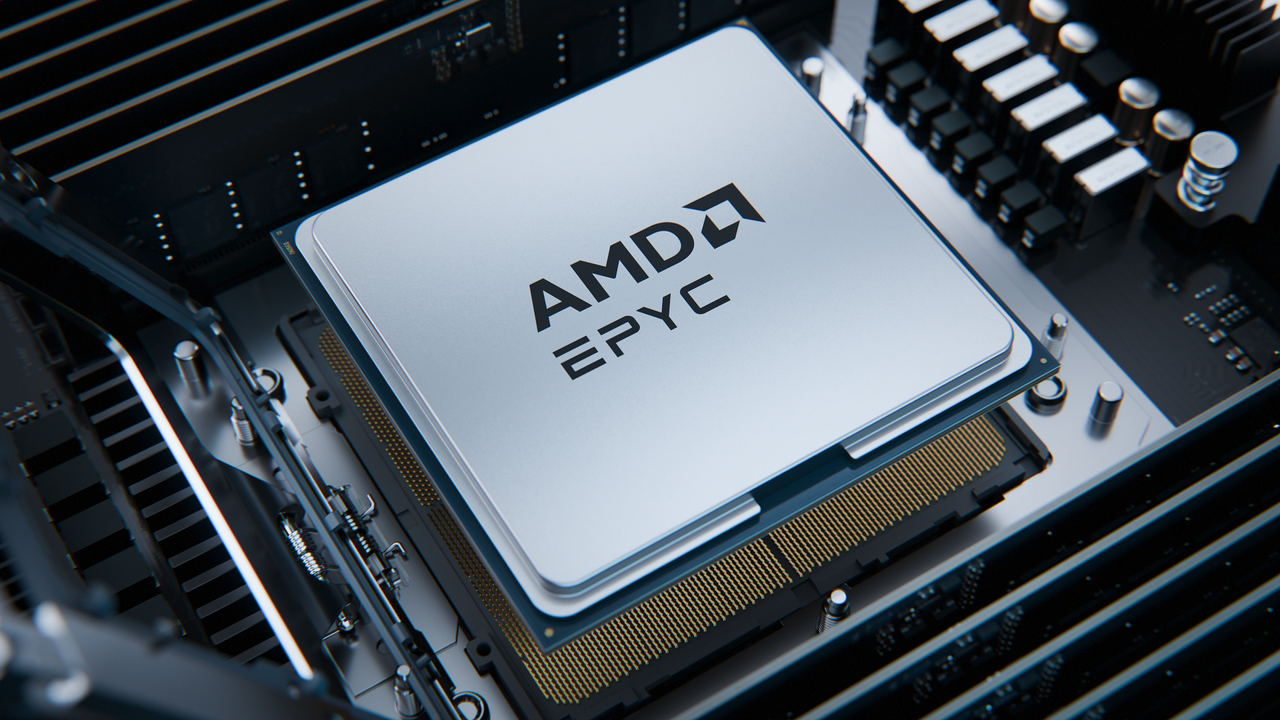
The road to the next generation of computing is paved with massive leaps in architecture, and AMD is gearing up for one of the most ambitious moves yet. Scheduled for release in the second half of 2027, the Venice-X CPU promises to redefine high-performance computing by blending sheer core count with unprecedented memory capacity.
Tied to the familiar Zen 6 microarchitecture, the Venice-X isn’t just an iterative update; it’s a strategic shift. While traditional offerings often focus on maximizing core counts through smaller caches, AMD is opting for a different approach, leveraging its renowned 3D V-Cache technology to stack an astonishing 1152 MB of L3 cache directly onto the chip.
This massive cache is designed not just for speed, but for density. The Venice-X setup features 96 cores, managed with this enormous pool of memory. This configuration targets specific, demanding workloads, particularly in the realm of high-performance computing (HPC), where data access speed and capacity are often more critical than raw core proliferation alone.
The performance gains are further amplified by clock speeds that push the boundaries, allowing the Venice-X to reach up to 5.15 GHz. This aggressive frequency, paired with the enhanced cache architecture, positions the chip as a serious contender in the ongoing competition for data center supremacy.
Beyond the core design, AMD has also significantly upgraded the memory subsystem. The Venice line supports 16-channel memory configurations, offering pathways to incredible bandwidth. This involves supporting standard DDR5 RDIMMs running up to 8,000 MT/s, or cutting-edge MRDIMMs that operate at speeds up to 12,800 MT/s.
This advanced memory architecture enables an aggregate bandwidth of up to 1.6 TB/s, a monumental increase compared to previous generations. This dramatic jump in throughput is largely driven by the introduction of Memory Rank DIMMs (MRDIMMs), effectively tripling the overall memory bandwidth capabilities across the entire system.
The Venice-X slots into AMD’s data center lineup, primarily targeting HPC environments. It utilizes the same SP7 socket as the main Venice range, maintaining compatibility within AMD’s established architecture framework. While other Zen 6 variants, such as Verano, utilize the newer SP8 socket, the Venice-X establishes a unique niche defined by its massive integrated cache and unparalleled memory subsystem.
Although specific performance projections remain under wraps—as is typical when unveiling future hardware—the focus on stacked cache and vastly improved memory bandwidth suggests that the Venice-X is designed to tackle the most demanding computational challenges of the future, setting a new standard for data center processors well before its arrival in 2027.
Credit