Amid CPU crash AMD conquers record share despite Intel’s laptop floods
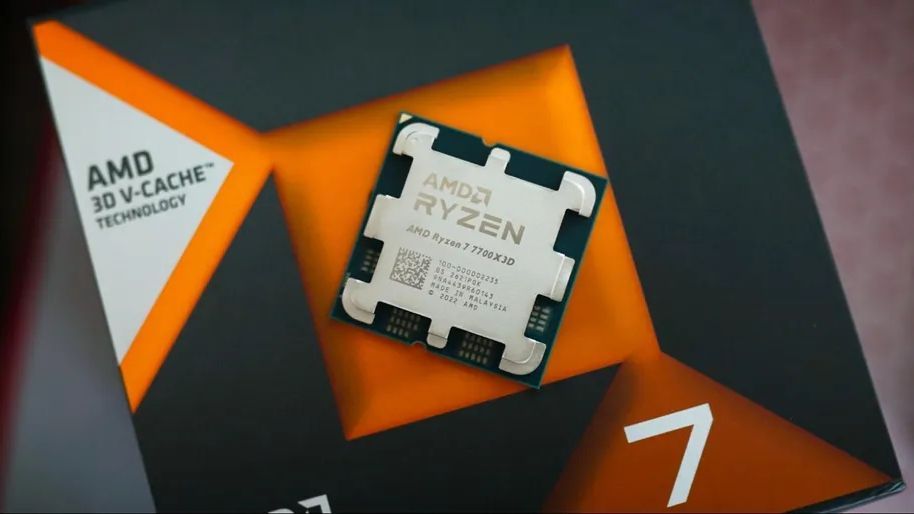
The second quarter of 2026 proved that while the general mood surrounding CPU suppliers was decidedly gloomy, the market still found a way to deliver strong growth. Unit shipments surged by 10% sequentially, driven by robust demand in the data center and laptop sectors, successfully offsetting the decline seen in traditional desktop markets.
This quarter was less about desktop angst and more about strategic pivoting. While the overall market experienced sequential growth, the growth was heavily weighted toward processors powering servers and client devices, demonstrating a clear shift in where the real value was being generated.
The tale of the silicon landscape in Q2 2026 was a fascinating tug-of-war between AMD and Intel. AMD continued its impressive climb, achieving record-high unit shipments and market share across the board. Intel, meanwhile, managed to increase shipments of its client and data center CPUs, securing a strong performance in the highly demanding professional segment.
In the realm of client CPUs, the competition was neck-and-neck. Although Intel remained the volume leader, AMD managed to capture significant ground, pushing its unit share to a record 30.3% of the total x86 market. This gain was particularly pronounced in the notebook segment, where AMD’s share climbed as laptop makers sought out the newest performance options.
The desktop CPU segment, however, remained the clear weak spot—a segment aptly described as ugly. Constrained by high component costs for memory, motherboards, and graphics cards, desktop sales contracted significantly. Both major competitors saw declines in desktop shipments, but AMD managed to hold up better against the sharp contractions in the market.
The real story of the quarter, however, unfolded in the server arena. Demand for data center processors—both traditional and specialized networking CPUs—exploded. Server CPU shipments grew by nearly 20% year-over-year, demonstrating that the engine room of the digital world was thriving.
In this critical segment, AMD’s performance was stellar. Its EPYC processors cemented their position, nearing parity with Intel’s Xeon CPUs. While there are accounting nuances that make a direct comparison tricky, the data clearly shows that AMD has dramatically reshaped the competitive balance in the core data center market.
Ultimately, the Q2 2026 results highlighted a crucial dynamic: growth was no longer dictated by the shrinking desktop market. Instead, success was found in sophisticated, high-demand areas like mobile computing and, most importantly, the rapidly expanding server infrastructure. The CPU market is clearly evolving, and the balance of power is shifting toward greater flexibility and performance across the entire spectrum of computing.
Buy on Amazon
Credit