Analog Hobbies: The PC’s unexpected victory over AI burnout
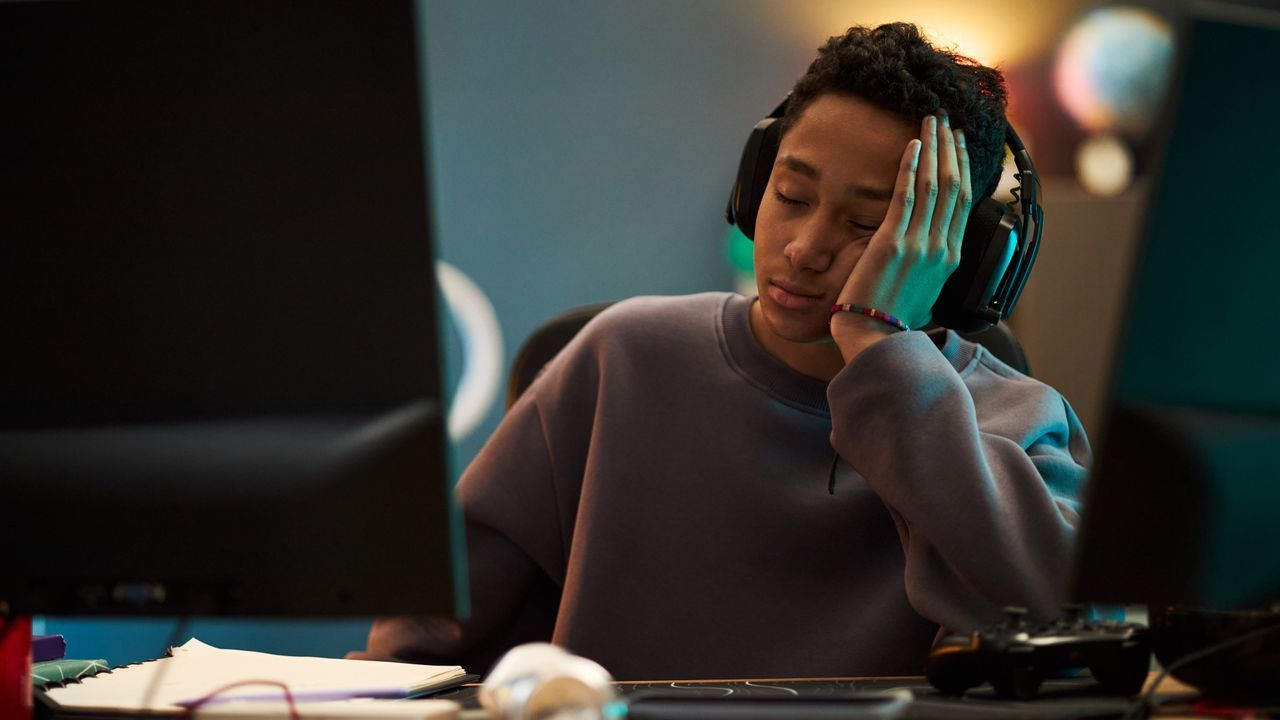
I grew up in an era defined by physical objects and tactile experiences. Smartphones were still a distant concept; computers were heavy, brick-like machines with rudimentary screens and massive hard drives. My early memories are steeped in the world of cassettes, floppy discs, exploring the woods, and building forts—an analog existence.
It is fascinating, and perhaps slightly painful, to witness how quickly that analog reality has given way to a seamless digital world. The effortless ability of a toddler to operate a tablet or phone speaks volumes about our immersion in this new reality. Yet, somewhere amidst this digital hypnosis, a counter-movement is taking hold: the analog revival.
This movement is often framed as a rejection of technology, but that couldn’t be further from the truth. Younger generations aren’t abandoning tech altogether; they are specifically pushing back against the constant digital noise and the attention economy that modern devices create.
While hobbies like knitting, film photography, and vinyl records see a resurgence alongside social media platforms, there is a deeper shift happening. People are seeking intentionality—a way to slow down and engage with the physical world when overwhelmed by digital demands.
Data supports this trend. Recent reports highlight significant upticks in searches for journals, hands-on crafts, and crafting parties. In 2026 alone, searches for these analog hobbies saw a staggering increase of 919%. Even specific product sales reflect this desire; yarn accessory sales grew by 40% compared to the previous year.
This isn’t just about crafting; it’s about reducing digital friction. The push is fundamentally anti-friction, anti-ambient, and anti-notification. Our phones are engineered like slot machines in our pockets, delivering dopamine on demand through endless notifications and streams of content.
This collision between the analog revival and advanced technology is most evident in the dynamic between personal computing and mobile devices. A phone is designed to interrupt you constantly; a personal computer, however, offers an alternative experience.
A PC functions less like a distraction machine and more like a workbench. You don’t pull out your laptop just to kill a few minutes of idle time; you sit down at it because you have a specific task: writing, editing, building, or creating something tangible.
This distinction is critical. The backlash against AI-integrated operating systems often stems from an attempt to merge the functionality of a mobile device—constant interruption and ambient awareness—into a desktop experience. When Microsoft attempted to push AI into every corner of Windows 11, users rightly reacted against the feeling that their computing environment was being turned into another attention-based slot machine.
Microsoft’s recent focus on Copilot+ PCs, while positioning itself as the future of AI, finds itself in an interesting collision with this analog shift. The core advantage of a PC over a phone lies in its capacity for intentional computing—it is a tool you purposefully engage with and can simply turn off when finished.
Instead of fighting the digital tide, Microsoft has a powerful opportunity to redefine what a PC means for younger users. By prioritizing true focus modes, removing unnecessary ambient monitoring, and reducing AI features where they don’t add value, the company can position Windows not as the de facto AI platform, but as an escape hatch from the attention economy.
The computer does not need more artificial intelligence to remain relevant. It needs less digital noise. By leaning into the analog revival, Microsoft can offer a PC experience that is fundamentally calmer, allowing it to cement its role as a powerful tool rather than a perpetual distraction.
Buy on Amazon
Credit