Apple’s first 2nm chip powers iPhone Duo and 18 Pro
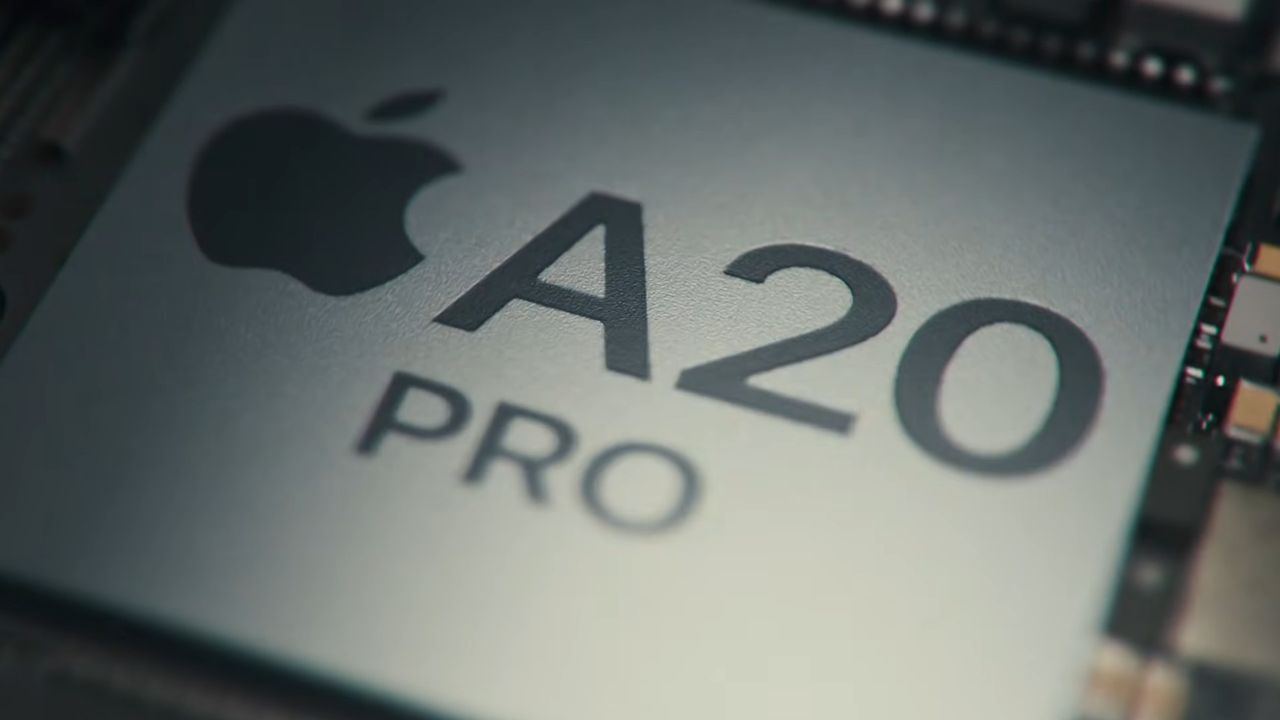
Apple just redefined the limits of mobile processing, unveiling the A20 Pro system-on-a-chip at their latest event, setting a new benchmark for what a smartphone processor can achieve. This monumental announcement, led by new CEO John Ternus, signals a massive leap forward for Apple’s mobile technology, pairing raw power with unprecedented efficiency.
At the heart of this innovation is Apple’s first-ever 2-nanometer chip in an iPhone. Unlike previous generations, the A20 Pro is engineered to deliver performance on a level previously reserved for desktop machines. It features a formidable 6-core CPU, which includes two super-cores operating 20% faster than their predecessors, alongside four efficiency cores packed with advanced neural accelerators.
The graphics capabilities are equally stunning. The 7-core GPU boasts a 40% boost in performance and increased bandwidth, dramatically boosting visual fidelity. Crucially, new neural accelerators allow the chip to execute FP8 compute twice as fast, pushing the boundaries of machine learning integration within a mobile device.
Apple is not just focused on speed; they are obsessed with longevity. The design incorporates a revolutionary packaging approach, placing silicon dies directly onto a vapor chamber that maximizes thermal dissipation. This advanced thermal management system, utilizing more recycled materials, allows the chip to sustain up to 40% more performance than the iPhone 17 Pro and double the sustained performance of the iPhone 16 Pro.
This focus on efficiency extends to battery life. Through optimized design and new battery structures, the A20 Pro enables remarkable endurance, promising up to 36 hours of video playback on the Pro model and an impressive 45 hours on the Pro Max. Proprietary testing suggests users can expect up to 24 hours on the 18 Pro and 30 hours on the Pro Max per charge.
Beyond the processor, Apple is also upgrading the connectivity. The new C2 cellular modem replaces Qualcomm’s, promising meaningfully faster uploads while simultaneously consuming 15 percent less energy. This upgrade also introduces mmWave support in the United States, complemented by the N1 networking chip for Wi-Fi 7, Bluetooth 6, and Thread connectivity.
The A20 Pro powers some of Apple’s most anticipated devices, including the new foldable iPhone Duo. This foldable features an aerospace-grade titanium hinge and IP68 water and dust resistance, making it the thinnest iPhone ever with a 7.6-inch screen. It also introduces an innovative design where the OS, iOS 27, supports side docks and controls, positioning them right near the user’s hand.
The iPhone Duo utilizes the A20 Pro for its dual displays, featuring a unique system where each side has its own battery that operates cohesively. This setup allows for up to 31 hours of video playback on the inner display and 44 hours on the outer display, with Apple claiming up to 24 hours when using both screens equally.
Adding to the revolution, Apple is moving away from Face ID for slab-style phones, opting instead for Touch ID for biometrics, which offers flexibility whether the device is open or closed. This shift emphasizes convenience and security, while the new system allows for multiple finger enrollments and flexible poses, including a standby mode in a tent-style configuration.
The launch lineup, including the iPhone 18 Pro starting at $1,199 and the Pro Max at $1,299, arrives on September 18. Further innovations, such as the S11 chip powering the Apple Watch Series 12 and Ultra 4, solidify Apple’s position at the forefront of mobile technology.
For those ready to embrace the future of foldable design, the iPhone Duo is set to launch on October 23, starting at $1,999 for 256GB. It promises a seamless, durable, and powerful experience, marking a significant evolution in how we interact with mobile technology.
Buy on Amazon
Credit
