Arm and IBM team up on one chip for enterprise infrastructure
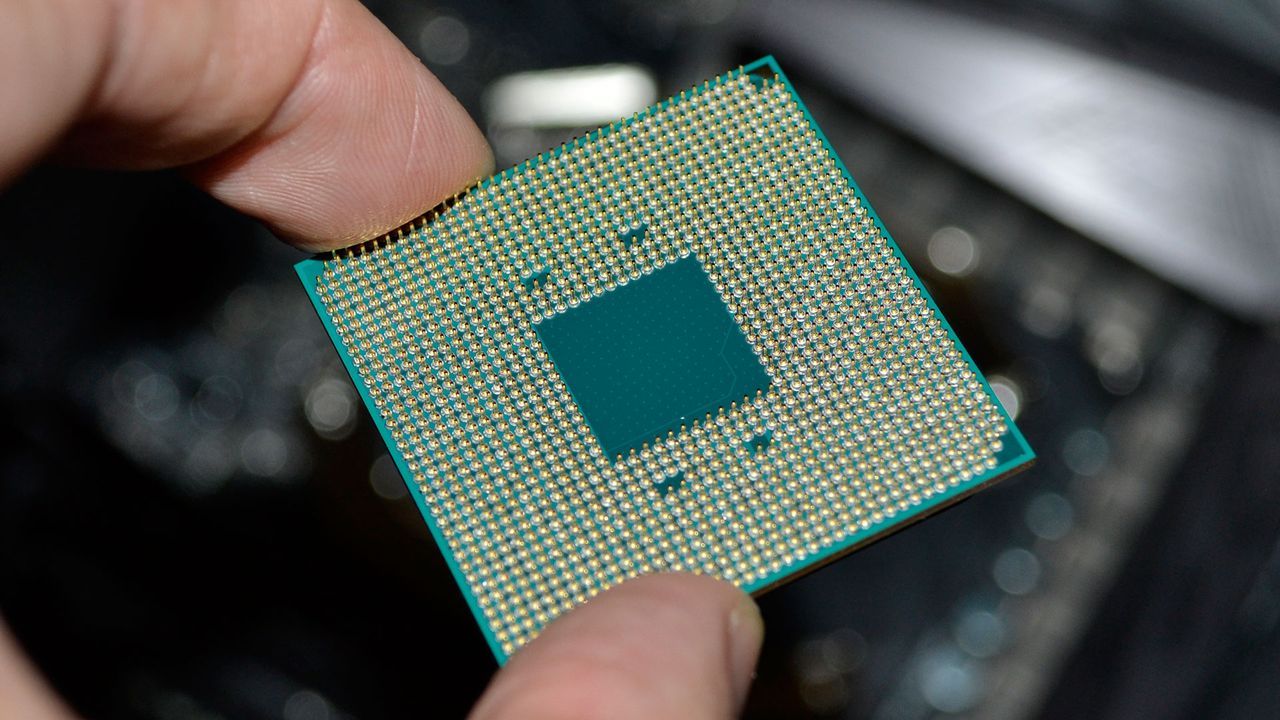
Bridging the Divide: IBM and Arm Unify Architectures in a New Enterprise Chip
While the mainstream focus of PC hardware often revolves around the bleeding edge of gaming performance, a fascinating revolution is quietly taking place in the enterprise sector. A collaboration between IBM and Arm has resulted in a groundbreaking new chip that marries two distinct processor architectures onto a single silicon die, promising a significant leap in flexibility and power for mission-critical systems.
This new chip is not just an incremental upgrade; it represents a fundamental shift in how complex enterprise workloads can be managed. It allows the hardware to natively execute both Arm-based Linux environments and IBM’s robust z/OS, along with their respective software ecosystems, directly on the same platform.
Historically, running multiple instruction sets concurrently required complex emulation—a process where instructions from one architecture had to be translated into something the other could process. This new chip bypasses that complexity entirely by combining the architectures at the hardware level, offering genuine concurrency from the ground up.
The concept of merging architectures is not entirely new, dating back to the mid-1990s when IBM developed the PowerPC 615, a chip that was designed to handle both PowerPC and x86 code. Though it was never publicly sold, this historical precedent paved the way for modern innovation in chip design.
Arm, known for building the foundational technology for the next era of enterprise infrastructure—including cloud and AI systems—is leveraging this partnership to extend its software ecosystem into mission-critical environments. By combining Arm’s power-efficient architecture and broad developer support with IBM’s renowned reliability, security, and scalability, the partnership aims to deliver unprecedented operational flexibility.
This fusion is particularly powerful in the context of modern demands. As organizations scale AI and modernize their infrastructure, they require systems that can handle diverse workloads seamlessly. As Mohamed Awad, Executive Vice President of the Cloud AI Business Unit for Arm, notes, the expansive Arm software ecosystem is already enabling workloads to run across a broader range of environments. This collaboration extends that progress directly into high-stakes enterprise settings.
The resulting hardware is a powerhouse built on a 2 nm technology node, featuring 11 high-performance cores capable of operating at speeds exceeding 5.7 GHz. Furthermore, the chip is equipped with dedicated AI inference accelerators and an on-chip data processing unit, underscoring its readiness for the intense demands of the current cloud and AI market.
This innovative chip demonstrates a clear focus on enterprise utility. While it certainly won’t replace your high-end gaming setup, it highlights a necessary pivot: the explosion of AI and complex data processing is driving demand for specialized, efficient, and reliable computing solutions designed specifically for business, not just benchmarks.
The collaboration between IBM and Arm is a compelling example of how combining specialized expertise can unlock entirely new possibilities, pushing the boundaries of what is technically feasible in enterprise computing.
Buy on Amazon
Credit