Asus ROG Xreal R1 Review: 240Hz Gaming AR Glasses
The Next Frontier: How Asus and Xreal Are Redefining Augmented Reality
For years, augmented reality (AR) glasses have been striving for a common mission: blending digital content with the physical world. Most models offered a window to video and productivity tasks using a virtual screen, typically around 150 inches. However, the wearable tech landscape is rapidly evolving, moving beyond simple viewing into high-performance interactive experiences.
Enter the Asus ROG Xreal R1, a collaboration between two giants in technology that aims to shatter existing boundaries. While earlier AR glasses generally topped out at a 120 Hz refresh rate, the R1 isn’t just an iteration—it’s a complete overhaul designed specifically for demanding users, especially hardcore gamers.
The most significant leap is the introduction of a 240 Hz refresh rate. This change immediately positions the R1 as a true contender in the gaming space, making it a breakout box capable of delivering smoother, more responsive visuals than its competitors and opening up new possibilities for PC, Xbox, PlayStation, and Switch gaming.
A Design That Demands Attention
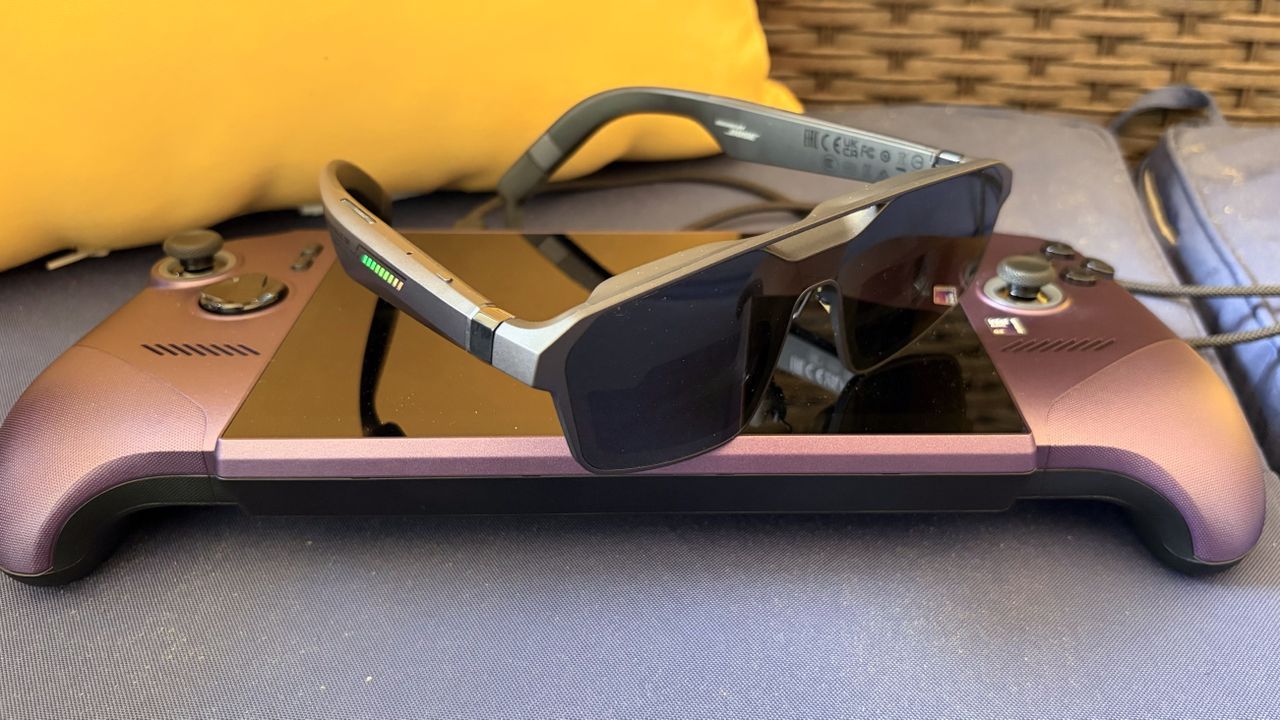
Beyond raw performance, the R1 sports an unmistakable Republic of Gamers (ROG) aesthetic. Unlike softer, rounded designs seen in some predecessors, the R1 features a more angular design with chamfers along the temples and a distinctive line of 9 LEDs. Constructed from high-quality plastic that echoes the quality of other AR glasses, the R1 opts for a shimmering grey finish, giving it a sharp, modern look.
The physical design is streamlined yet functional. The glasses feature open-air speakers along the temples and offer three levels of electrochromic dimming. This dimming capability is crucial for immersion, allowing users to adjust light filtering to enhance the experience without relying on rudimentary plastic light blockers.
Powering the Experience
Internally, the R1 boasts dual 0.55-inch Sony Micro-OLED displays, offering a rapid 0.01 ms response time and the stunning 240 Hz refresh rate. This technology allows the glasses to project an image equivalent to up to 171 inches at a distance of four meters, offering a massive virtual screen experience.
The system is further enhanced by smart controls. The R1 includes specialized features like dual open-air speakers and ports for accessories, including the Xreal 6 DoF camera module. To manage settings, users can leverage the Asus DisplayWidget Center application, which provides intuitive control over gaming, visual, and spatial screen parameters.
The Mobile Gaming Revolution
Testing the R1 in a gaming context reveals its true potential. While using a desktop system requires a dedicated ROG Control Dock for optimal setup, the glasses truly shine when paired with handheld gaming PCs, such as the MSI Claw 8 EX AI+. Connecting to a handheld device via a single cable provides unmatched freedom, allowing users to experience that massive virtual display anywhere—from the couch to the car to the airport.
While the 240 Hz mode promises cinematic smoothness, it’s important to note the trade-off. When activating Frame Rate Boost, some testers observed a slight decrease in image quality and minor visual jitter, which could lead to eye strain. This suggests that while the high refresh rate is technologically impressive, it requires careful calibration for the best viewing experience.
Ultimately, the Asus ROG Xreal R1 stands as an impressive testament to collaborative engineering. It marries leading AR technology with gaming peripherals, creating a powerful mobile visual system. The main consideration remains the price tag—at nearly $850, the glasses demand that consumers weigh the high-end performance and cutting-edge features against the overall value.
Buy on Amazon
Credit