Asus wins FCC router approval as TP-Link is blocked
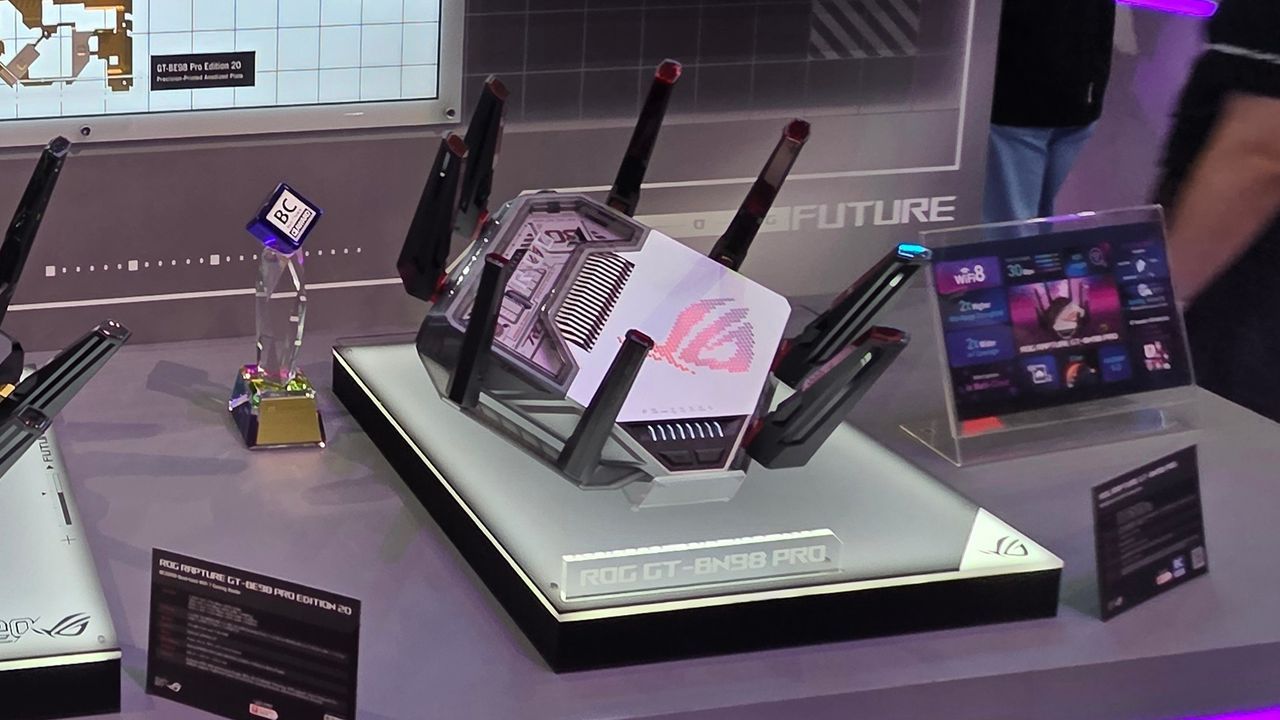
The world of wireless networking has been navigating a choppy regulatory waters in 2026, as the Federal Communications Commission (FCC) stepped in to impose strict oversight and outright bans on importing certain foreign-made consumer routers, citing national security concerns. This shift has put pressure on leading router manufacturers, but it has also provided a surprising lifeline for companies that demonstrated their commitment to safety and compliance.
As an olive branch, the FCC has offered “conditional approvals” to select companies, allowing them to remain on the Covered List. This move is less a punitive action and more a pragmatic acknowledgment that innovation and security must go hand in hand. The result is that some major players are now positioned to push the boundaries of wireless technology.
Asus has recently secured one of these coveted approvals, confirming that its entire wireless networking portfolio is cleared for sale in the U.S. This includes popular lines like the RT Series, ROG GT Series, OG Strix GS Series, and ZenWiFi Mesh Series, among other products. This conditional approval remains valid until March 6, 2028, giving Asus time to focus on the next big thing.
This regulatory breathing room is pivotal for Asus, as the company is poised to unleash a whole new generation of Wi-Fi 8 products over the next year. Wi-Fi 8 promises substantial improvements in reliability and quality-of-life features, making this transition from Wi-Fi 7 a major focus for the company.
The race to the future is already underway. Asus has already debuted concepts like the ROG NeoCore Wi-Fi 8 router at CES. Furthermore, the company unveiled its first consumer Wi-Fi 8 router, the ROG Rapture GT-BN98 Pro, which promises up to 2x real-world throughput compared to its current-generation Wi-Fi 7 counterparts.
Asus is not alone in benefiting from this regulatory shift. Other key players, including Netgear and Amazon Eero/Leo, have also gained conditional approval, demonstrating a collective willingness to embrace the new standards. However, the regulatory landscape remains complex. The largest player in the U.S. wireless router market, TP-Link, has yet to gain full FCC approval, reflecting ongoing concerns regarding its ties to foreign governments and military entities.
Ultimately, the FCC’s action serves as a clear signal: while security is paramount, the pursuit of cutting-edge technology should not be stalled. For manufacturers like Asus, this conditional approval is not just a green light; it is the essential foundation needed to innovate and deliver the next era of seamless, high-speed wireless connectivity.
Buy on Amazon
Credit