Ayaneo lists $5000+ gaming handhelds hold my beer
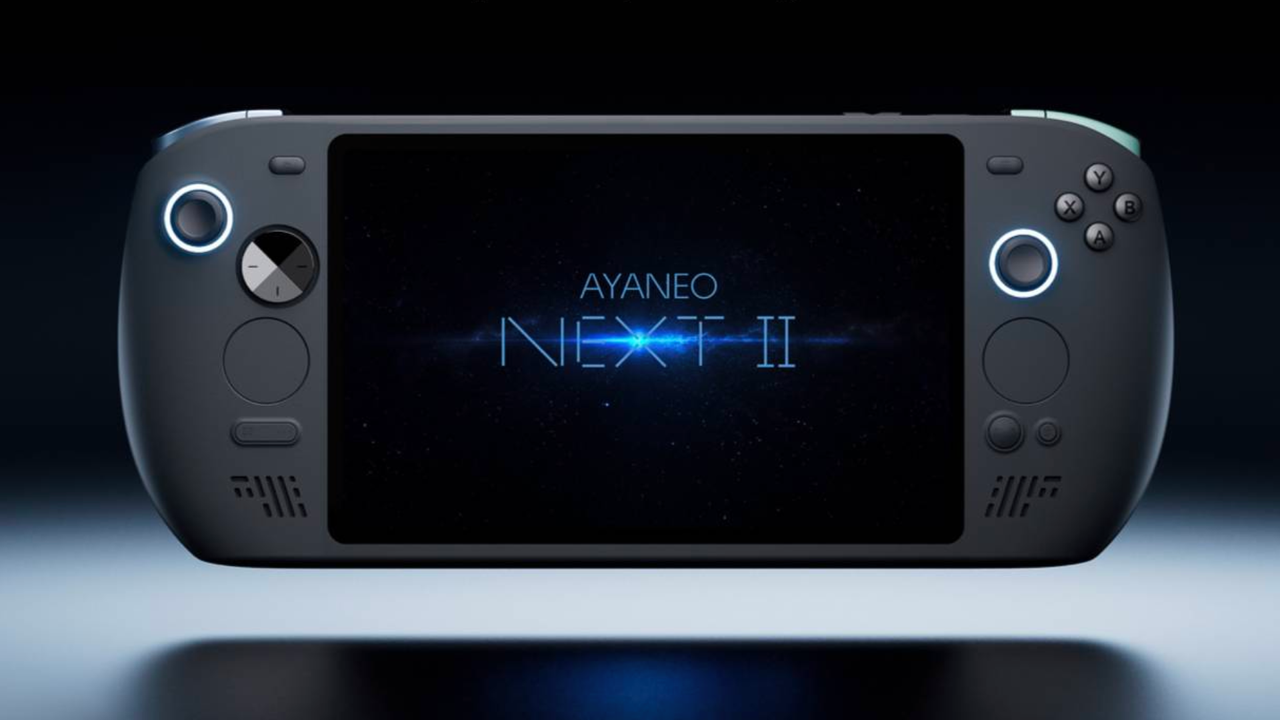
When it comes to portable gaming hardware, sometimes the pursuit of cutting-edge specifications hits an insurmountable wall. Recently, Ayaneo made the tough call to suspend pre-orders for its Next 2 gaming handhelds, citing escalating storage costs and the relentless pressure of the memory crisis.
This decision reflects a broader reality: the cost of components is soaring, making the pursuit of high-end portable PCs increasingly unsustainable. The top-tier model of the Next 2 is now listed with an asking price of $5,299, setting a staggering benchmark for what portable gaming hardware can command.
Under the hood, this premium device packs serious power, featuring an AMD Ryzen AI Max+ 395 APU. But the true shocker lies in the memory configuration. To achieve peak performance, the top-end model comes equipped with 2 TB of SSD storage and a whopping 128 GB of LPDDR5x-8533 RAM.
One has to pause and wonder: what exactly justifies that massive amount of RAM for a handheld device? While these systems are designed to be Windows-based, offering room for AI-assisted tasks, the sheer volume feels excessive. It raises serious questions about whether this level of memory is truly necessary for an on-the-go gaming experience.
The market, however, offers more palatable options for consumers who still want quality hardware without breaking the bank. Ayaneo has released alternatives that allow for a much more reasonable entry point into the handheld space. For instance, a 64 GB version is available for $3,699.
Even more accessible is the entry-level model, which features 32 GB of RAM and 1 TB of storage, priced at $2,999. These base configurations are set to become available for shipping toward the end of the month, offering a clear path for users looking to enter the portable gaming arena.
It is a stark reminder that while manufacturers aim to push boundaries with powerful new handhelds, the reality is that inflation and component costs are driving prices skyward. The current landscape suggests that the age of affordable, high-spec portable gaming devices may be far from sustainable, especially as the memory crisis continues to escalate.
Buy on Amazon
Credit