
Beast of Reincarnation director apologizes for poor experience promises fix
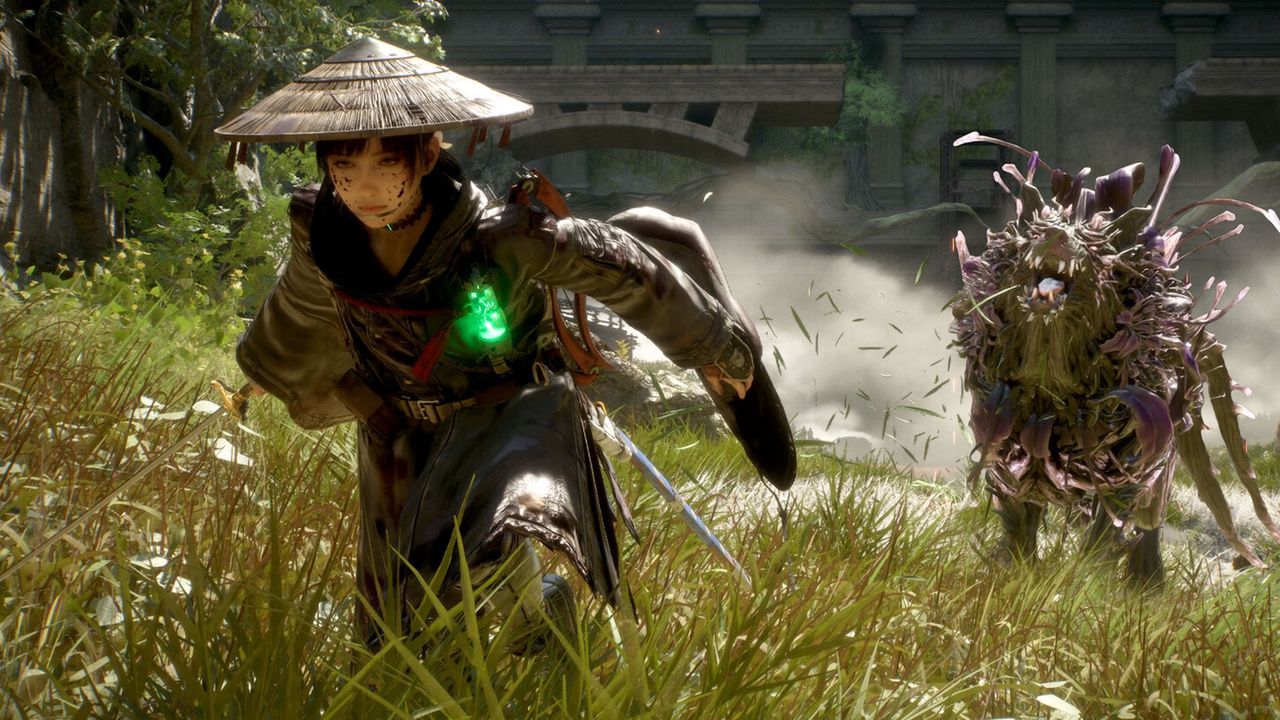
Game Freak’s latest offering, Beast of Reincarnation, hit the market earlier this month with a mixture of anticipation and contemplation. While it landed an aggregate score of 73/100 on Metacritic, the response from the community on Steam has been decidedly mixed, with many players finding themselves in that delightful space of “close, but not quite.”
Game director Kota Furushima has acknowledged this nuanced reception. He openly admitted that there are still aspects of the game that demand further attention and polishing, expressing regret that some elements have not yet provided a sufficiently enjoyable experience for everyone.
Recognizing this, Furushima has outlined plans for future updates aimed at refining the experience. The upcoming patches will focus on improving story pacing, adding crucial frame generation mechanics, and giving players more control over the cinematic flow, such as the option to skip cutscenes.
Interestingly, the stated priorities did not involve drastically altering the game’s difficulty. Furushima emphasized that his goal was not to create an overwhelmingly challenging experience, but rather to ensure players engaged effectively with Koo, the Blight-infected canine companion, fostering a genuine sense of cooperative necessity.
Despite these areas for refinement, the core experience appears to be strong. The co-op combat system has been well-received by players, and the overall atmosphere generated by the world is clearly resonating with an audience.
What truly sets Beast of Reincarnation apart is its deliberate, meditative style. Critics are noting a maturity and patience in the presentation that feels more like cinema than typical action fare.
Reviewers praise Game Freak’s commitment to atmosphere: the game embraces long, slow, lingering shots and a strangely resonant silence. There are no unnecessary quips or overbearing teaching moments; instead, characters communicate with an unguarded sincerity, allowing the world’s enveloping ambiance to speak for itself.
This commitment to a unique, almost filmic aesthetic, free from the usual JRPG mawkishness, is what many see as a powerful foundation for Furushima’s ambitions. It suggests that 2026 games might be focusing on depth and mood as much as action.
Buy on Amazon
Credit

