Bethesda union protests Xbox layoffs with a march next week
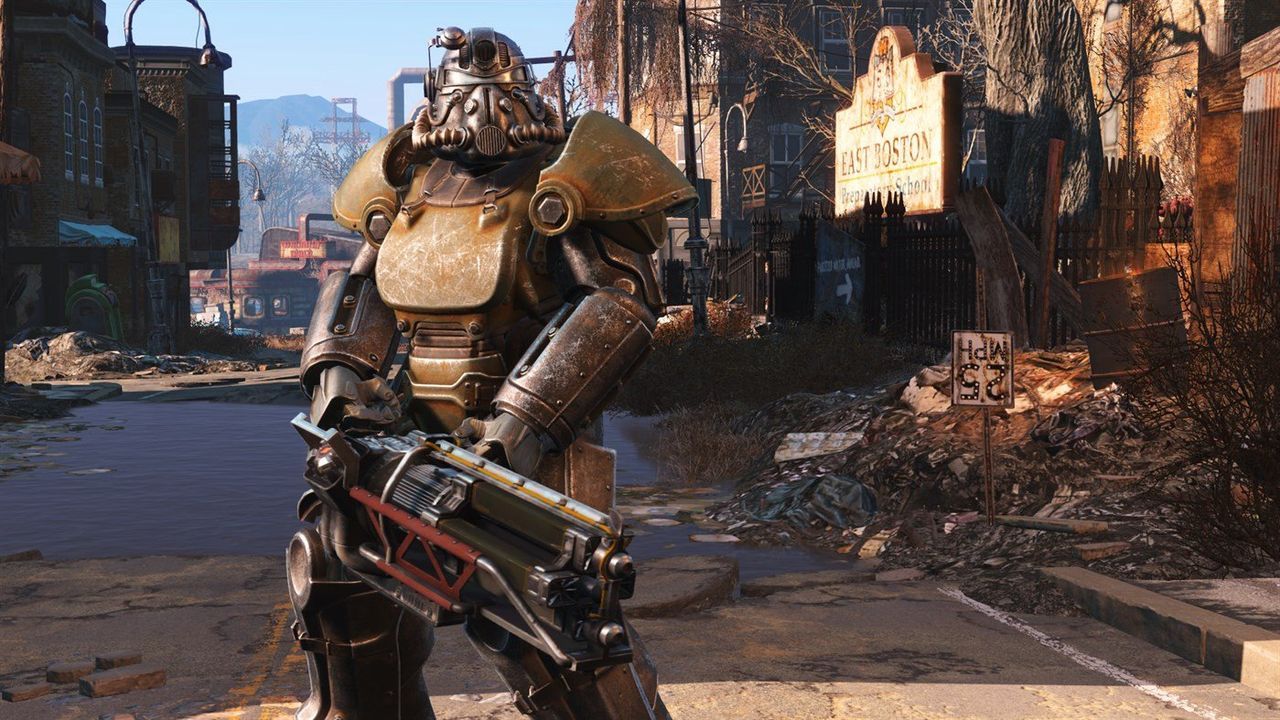
When a massive corporate restructuring hits the gaming world, the fallout isn’t just measured in financial figures; it’s measured in morale, fear, and labor rights. Right now, the industry is grappling with the seismic shifts caused by Microsoft and Xbox’s recent mass layoffs, prompting a determined response from the developers behind some of the most beloved franchises.
The response has been unified: unionized workers at Bethesda Game Studios (BGS), the creative engine behind titles like The Elder Scrolls and Fallout 4, along with teams from ZeniMax Online Studios, are organizing to fight back. Recognizing that legal protections are crucial, these artists and programmers have decided that quiet resignation is not an option.
In a coordinated effort to demand better treatment, the workers are gearing up for a significant demonstration. Public calls for action, titled Save Our Devs, have surfaced across major cities including Rockville, Austin, Dallas, and Montreal, signaling a unified push ahead of their planned march on July 15th.
The organizing union made it clear that the corporate decision to slash over 440 positions across BGS, ZeniMax, id Software, and other related studios was deeply felt. They emphasized that their union status has given them legal rights and protections that non-unionized employees simply do not possess, framing the situation as a deliberate attempt by leadership to bypass established worker protections.
The demands are sharp and specific. The union is pushing for more than just severance; they are demanding a seat at the table for “Effects Bargaining.” This negotiation must determine exactly how these massive layoffs will impact their livelihoods, insisting on preferential transfers into open roles across Xbox and Microsoft first, stronger healthcare packages, and recall rights to ensure laid-off members are prioritized when BGS expands.
The weight of this corporate action is not just financial—it’s creative. Developers are reportedly facing a crushing effect on morale, with fears that these redundancies could lead to delays in major projects like The Elder Scrolls 6 and uncertainty regarding the future support for titles like Fallout 76.
This environment of uncertainty underscores why the mobilization is so vital. By uniting and marching, the developers are not just protesting job cuts; they are asserting their value as essential creative contributors and fighting to ensure that the future of gaming development is built on stability and respect for the talent that makes the industry thrive.
Buy on Amazon
Credit