Bill Gates on AI: Jobs reserved, taxing robots and a turbulent future
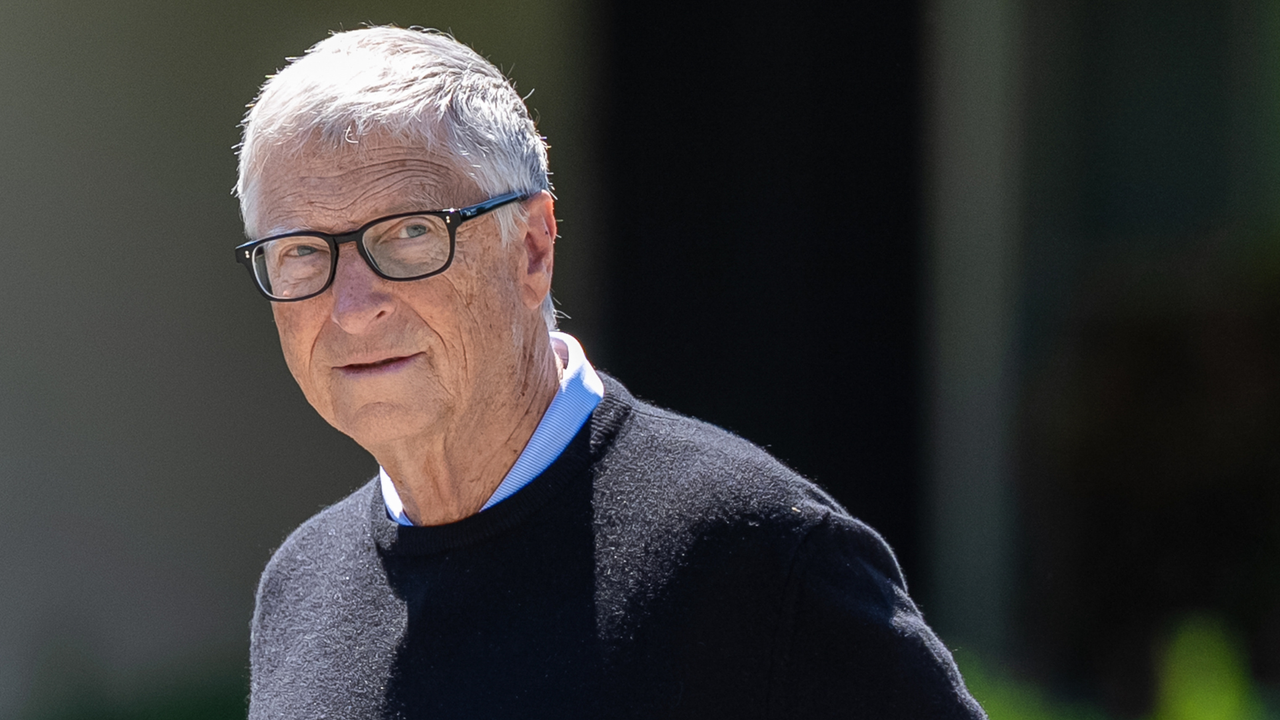
The AI Reckoning: Bill Gates Demands a Plan for the Technological Tsunami
While academic circles debate the profound societal shifts brought about by artificial intelligence, billionaire Bill Gates insists that the pace of development is outpacing effective governmental preparation. He argues that nations and governments are failing to equip their citizens for the inevitable upheaval that this technology will deliver, calling for immediate, proactive planning to navigate the AI era.
Gates contends that unlike previous technological revolutions—such as the internet or computers—which offered decades for society to adjust and incorporate new systems into daily workflows, the current AI revolution is happening at an unprecedented speed. This urgency stems from the fact that AI is not just an incremental update; it is a foundational change affecting job security, income distribution, and the very fabric of human interaction.
The immediate concerns raised by Gates center on tangible risks: job displacement, the potential for malicious actors to weaponize the technology, and the erosion of genuine human relationships. He pointed out that these risks are not abstract; they are immediate threats to the working class, highlighting how quickly entry-level roles are vanishing. Studies indicate that junior job listings in fields vulnerable to AI are already dropping, making skill acquisition a race against time for new graduates.
This shift is starkly reflected in the workforce. Gates noted that if AI and robotics continue to advance, roles that require minimal human input—like data entry or basic customer service—are being rapidly automated. He used a pointed analogy to illustrate the coming disparity: The people who need the most time for adjustment are those with the least, referencing the stark contrast between an accounting worker replaced by a bot and a $20-an-hour worker losing their job to a $10-an-hour robot.
To address this dislocation, Gates proposes a structural solution: reserving certain roles for humans. He likened these reserved positions to nature reserves, places where human endeavor could flourish without immediate economic pressure. These are not static positions, but rather a slow evolution, allowing AI tools to be introduced gradually across decades, focusing on industries where the human touch remains irreplaceable, such as education and healthcare.
Beyond job security, Gates targets the economic mechanism itself. He suggested that the reduction in human employment would significantly impact government revenue, as more than half of federal revenue in 2025 and 2026 comes from individual income taxes. Furthermore, he critiqued the current tax structure, which often incentivizes businesses to replace employees with robot labor because those replacements can be tax-deductible expenses. Gates calls for a fundamental shift: governments should tax AI tokens and robots. This action would serve a dual purpose: balancing the federal budget and motivating businesses to prioritize hiring and retaining human talent over machine acquisition.
Ultimately, the conversation surrounding AI must move beyond the labs and into the public square. Gates stresses that the debate about AI’s use and impact should involve everyone—workers, students, educators, and community leaders—not just the few who control the technology. He advocates for widespread public ownership and distribution of AI assets, ensuring that this powerful innovation serves the collective good rather than exacerbating inequality.
Credit