Biren’s 2000% growth benefits from US export controls and chip exits
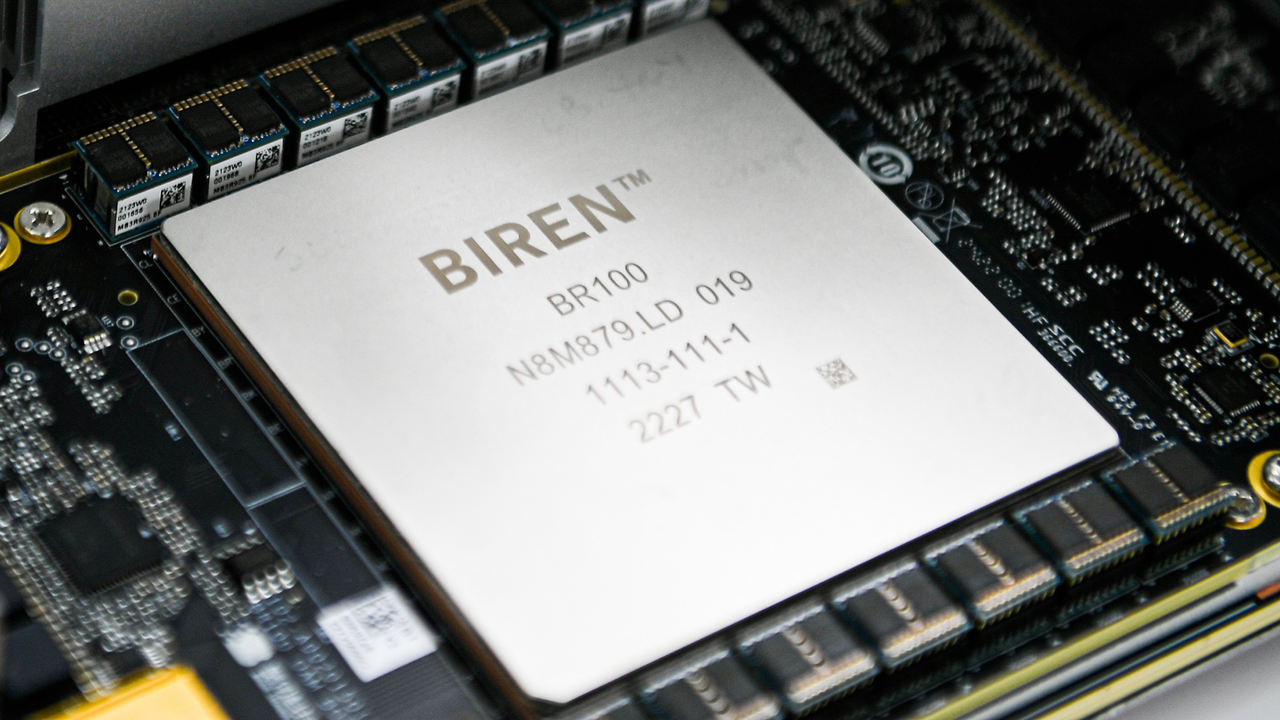
The Great Chip Shift: How Biren Technology is Riding the Wave of AI Independence
In the rapidly evolving landscape of artificial intelligence hardware, a quiet player is making some truly explosive noise. Biren Technology, a leading supplier of AI accelerators from China, has posted staggering revenue growth, reflecting a massive market pivot away from American giants like Nvidia and AMD. This surge highlights how global trade restrictions are reshaping the high-stakes race for domestic AI processing power.
The financial results speak volumes. In the first half of 2026, Biren reported a revenue of $183.9 million, marking a nearly 2,000% increase year-over-year. This phenomenal climb stems directly from skyrocketing sales of non-Nvidia AI processors within the country. While the growth rate is breathtaking, the company’s operational strength is built on a foundation of ambitious investment, including ongoing development of new AI accelerators, optically-interconnected rack-scale solutions, and proprietary software.
The context of this growth is inextricably linked to the geopolitical environment. As American companies began restricting the supply of AI GPUs to the People’s Republic, a vacuum emerged in the market that domestic hardware providers were positioned to fill. While Nvidia controlled the high-end market, the shift has opened doors for domestic innovators to capture significant domestic demand.
Biren is already establishing itself as a credible competitor. The company has developed several high-end AI GPUs, including the BR106, BR110, and BR166, and is actively pursuing the next generation with accelerators like the BR20X, BR30X, and BR31X. Beyond the chips themselves, Biren is building its own ecosystem with the Birensupa software stack, designed to offer compelling alternatives to solutions like Nvidia’s CUDA.
Despite the impressive financial acceleration, the story is more complex than just revenue figures. In absolute terms, Biren remains a relatively small accelerator supplier. While the growth rate is enormous, its overall market share of AI accelerators in China remains below 3%. The true measure of success now hinges on moving from financial growth to manufacturing reality.
The next crucial phase for Biren is securing the necessary manufacturing capacity from partners like SMIC to meet the surging customer demand. To truly compete with established domestic leaders such as Huawei, Cambricon, and Kunlunxin, the company must scale up production dramatically. The challenge is clear: competitive designs are only the start; manufacturing volume and market dominance are what will define Biren’s future success in this fiercely contested AI hardware arena.
Buy on Amazon
Credit
