Boss plans US chip plant to fight RAM price hikes
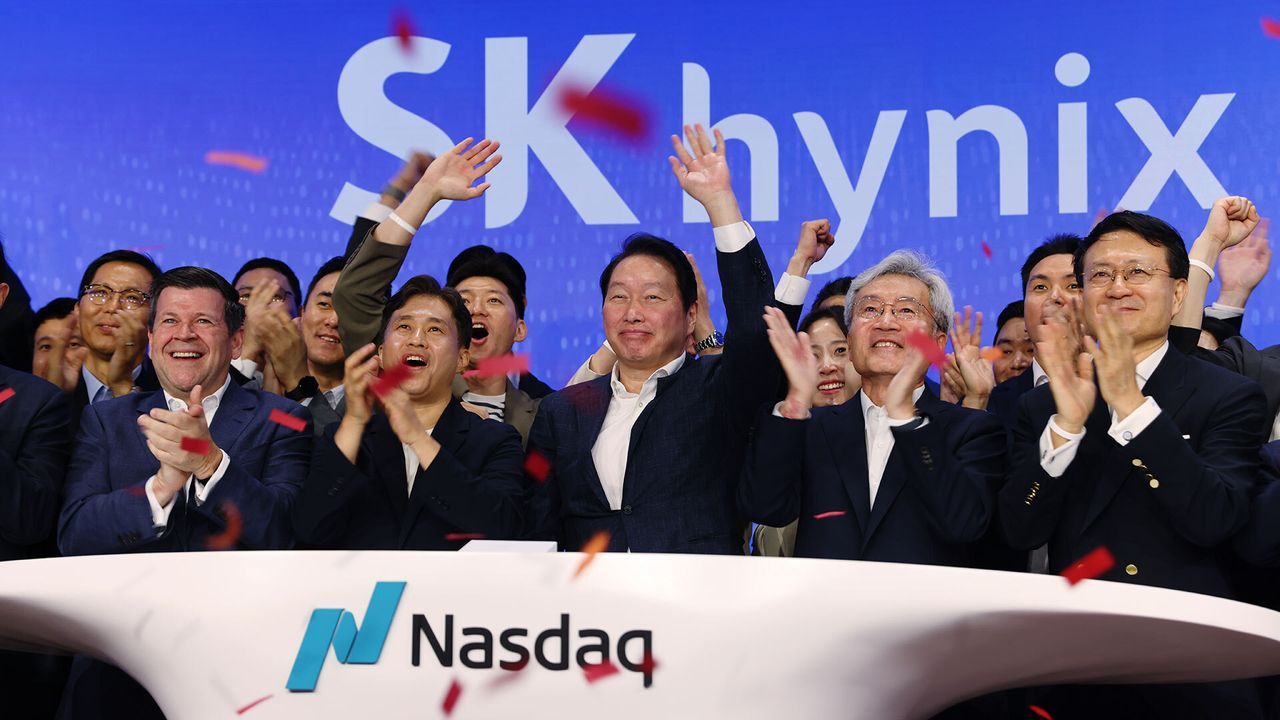
The world of high-performance computing is currently running on a foundation of silicon, but beneath the surface of the AI boom, the memory semiconductor industry is facing a significant squeeze. Leaders in the sector are sounding the alarm, arguing that current prices are not just high—they are abnormally elevated, demanding immediate action to expand supply and curb potential ‘chipflation.’
SK Group Chairman Chey Tae-won, head of SK hynix, recently delivered this urgent message, pinpointing the tension between soaring demand and physical capacity. He noted that while major AI players have the financial means to absorb rising costs through investment, traditional manufacturers—like PC and smartphone makers—are forced to pass these escalating semiconductor expenses onto consumers. This dynamic creates a potential inflationary spiral if supply cannot keep pace with demand.
Chey emphasized that because the end customers for consumer electronics are individuals, there are limits to how much prices can be raised. Therefore, the industry must focus on expanding production capacity as the primary solution to stabilize the market and prevent finished product costs from becoming prohibitively expensive.
Beyond domestic supply concerns, these extreme price levels are fueling fierce competition among manufacturers. High margins offer an attractive opportunity for new entrants or smaller players to challenge established giants. We are already witnessing this shift in the supply chain: some Chinese brands have successfully pivoted to domestically produced chips, while major multinational firms like Corsair and Lenovo are actively sourcing components from these emerging producers.
The pressure is so intense that even global technology giants are engaging in complex maneuvers. Reports indicate that Apple is currently lobbying Washington to gain access to memory chips from providers, potentially bypassing established supply routes entirely. Furthermore, the growing interest of figures like Elon Musk in building his own fabrication facilities adds another layer of strategic competition for existing memory semiconductor companies.
Despite these market shifts, the industry remains resilient, bolstered by massive overall demand. Currently, there is more than enough appetite across the board to support incumbent manufacturers and new entrants. Smartly, this robust demand can be leveraged as a defense mechanism against potential legal risks, such as price-fixing lawsuits that have dogged the memory sector.
In fact, many companies are strategically focusing their efforts on specific high-demand areas. By prioritizing the production of High Bandwidth Memory (HBM) and managing overall DRAM output carefully, manufacturers are positioning themselves to navigate the current volatile cycle successfully. The memory industry, having recently navigated a prolonged downturn before its explosive boom, is now entering a new phase defined by strategic supply management rather than sheer quantity.
Credit
