Broken consoles traded for $10K in GameStop credit
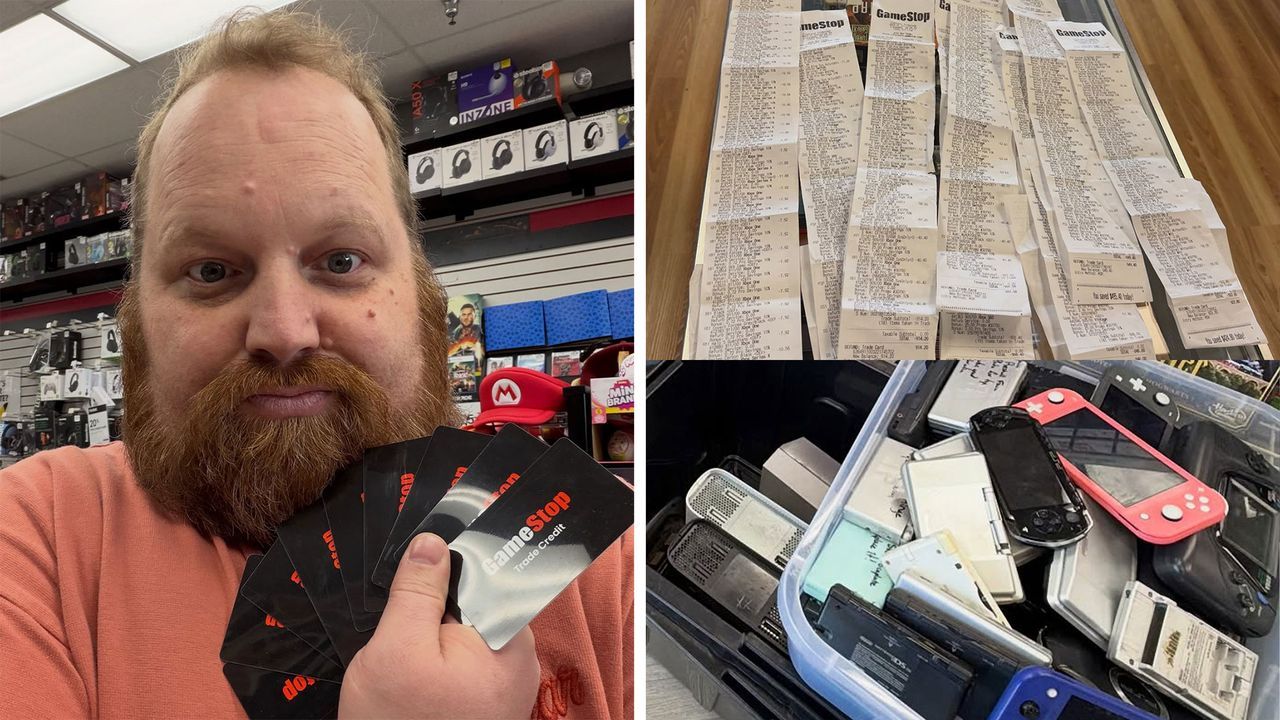
One man’s trash is another’s treasure, and the world of video game trade-ins offers a perfect, if slightly chaotic, illustration of that principle. This philosophy was put into sharp focus recently when a customer named Josh made a spectacular deal with GameStop, trading hundreds of broken consoles for a staggering amount of store credit.
Josh brought his collection of junk to the Clackamas, Oregon store, exchanging broken gaming hardware for 10,690.06 in store credit. The transaction sparked immediate online discussion, showcasing the often-absurd economics of the used electronics market and the role retail chains play in managing e-waste.
The mechanics of the trade-in system often lead to interesting compromises. While GameStop offers store credit, the report suggests that seeking cash instead of credit could potentially net the customer up to 50% more cash to spend—though this often comes with limitations based on what the retailer has in stock. For avid gamers, the decision of whether to accept the credit or pursue direct cash is a calculation involving both immediate spending power and the potential for maximizing the value of their broken items.
What Josh brought to the store was a sprawling collection. A closer inspection of the crates revealed a mix of gaming history: broken Nintendo Switch Lite consoles, a Sega GameGear, various Sony PSPs, and numerous Nintendo Game Boys representing the GBC, DS, and DSL eras. Tucked among them were vintage powerhouses like the Xbox 360, alongside multiple PS4, Xbox One, and Xbox Series X consoles.
The sheer volume of the haul was impressive, yet the actual market value of the items is a different story. The receipts revealed that Josh traded in various units—including Xbox One consoles for $7.92 each and Xbox Series X consoles for $10 to $11. Even the older units, like the PS4 consoles, were valued around $16 apiece. For the more exciting, rarer components, the exact pricing remained obscured in the photos.
This transaction quickly became the subject of social media debate. Some keyboard warriors voiced skepticism, accusing Josh of being swindled by GameStop, suggesting that the store offered a pittance compared to what those same items could command on independent auction sites like eBay. The argument was simple: why not sell the broken consoles directly for higher cash, bypassing the retail system?
Ultimately, the fate of the pile of broken electronics rests in the realm of uncertainty. While GameStop profits from the trade, the true value of this collection depends on what is salvaged. Many of these items will likely only be useful as spare parts or donor components, but the potential exists for rarer special editions to fetch significant cash if they can be fixed and refurbished.
Buy on Amazon
Credit