BT strips 200k tons of copper for $2.7B AI boom
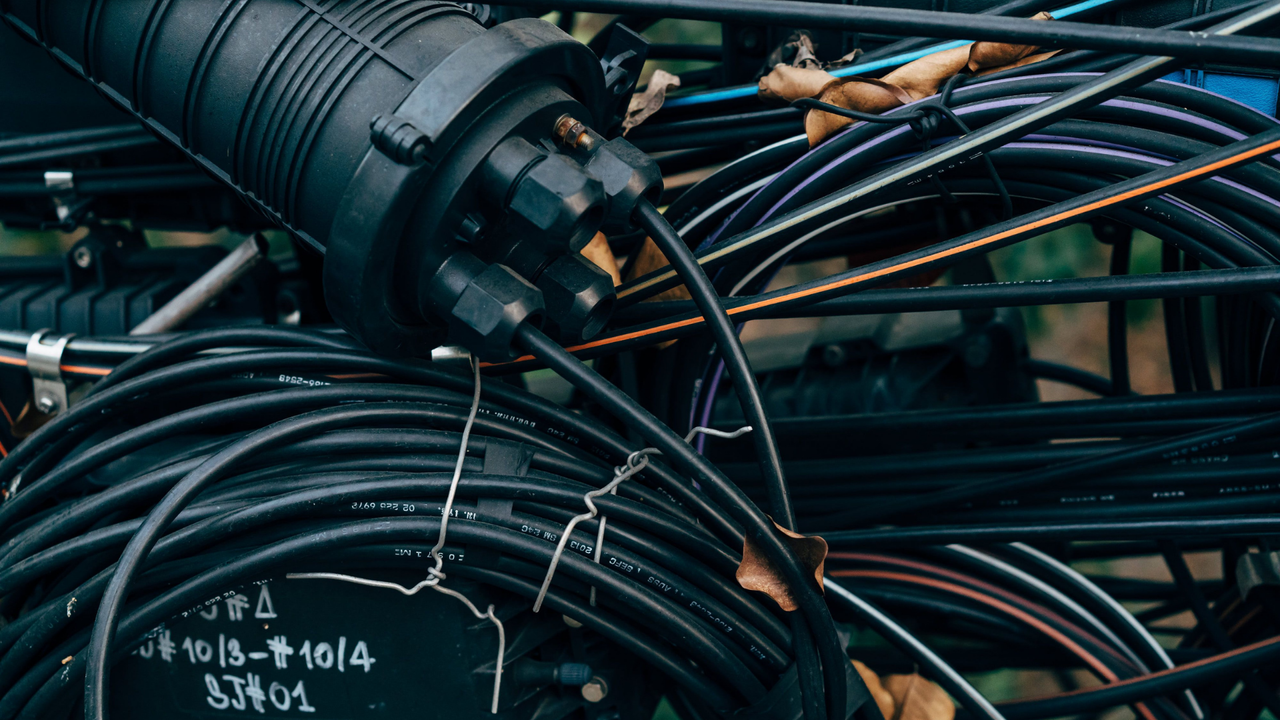
The global rush toward artificial intelligence is reshaping industries, driving demand for everything from rare-earth elements to specialized glass fibers. But beneath the surface of this technological revolution lies a massive, often overlooked material opportunity: the potential fortune hidden in our aging network cables.
As telecommunications giants like BT undertake massive infrastructure upgrades, they are not just laying new fiber; they are engaging in a strategic recycling operation that promises a significant windfall for the industry. By transitioning residential networks away from traditional copper and moving toward fiber optics, these providers are opening up a lucrative circular economy for the metal they displace.
To harness this potential, BT and its subsidiary, Openreach, have partnered with cable recycling leader EMR to recover vast quantities of copper. This collaboration is focused on recovering around 200,000 tons of copper over four years. The financial side of this transition is already showing results; EMR has already paid the telecoms company over $134 million for a substantial amount of the recovered material alone.
The market for this recovered metal is soaring. Since the network upgrades began, more than 22,000 metric tons of copper have already been pulled from the system. While the material has fetched around $8,500 per metric ton on the open market, the massive AI-driven demand has pushed the price to record highs, soaring above $14,000 per metric ton.
If these recovered materials were sold in the open market today, the potential revenue for the company would reach $187 million. Looking ahead, with upgrades expected to continue well into the 2030s, the total potential value from recovering the estimated 200,000 tons of material could be as high as $2.7 to $2.8 billion.
This surge in copper demand is directly linked to the explosion of AI. While the general public may not immediately connect copper to data centers, it is the backbone of the infrastructure that powers the digital future. As AI hyperscalers expand their operations, forecasts predict that data centers will consume nearly 194 gigawatts of power by 2035, and all that massive electrical energy must be transferred via conductive metal cables. Copper is preferred over alternatives like aluminum for its superior electrical conductivity, stability, and thermal performance when handling this high-demand power.
This convergence creates a powerful win-win scenario. For consumers, the transition means better, more reliable, end-to-end fiber connections delivered directly to their homes. For the providers, the infrastructure investment is balanced by the opportunity to monetize old assets through recycling, creating a sustainable cycle of innovation and profit.
Buy on Amazon
Credit
