
Chatbot admits he overcommits to bits
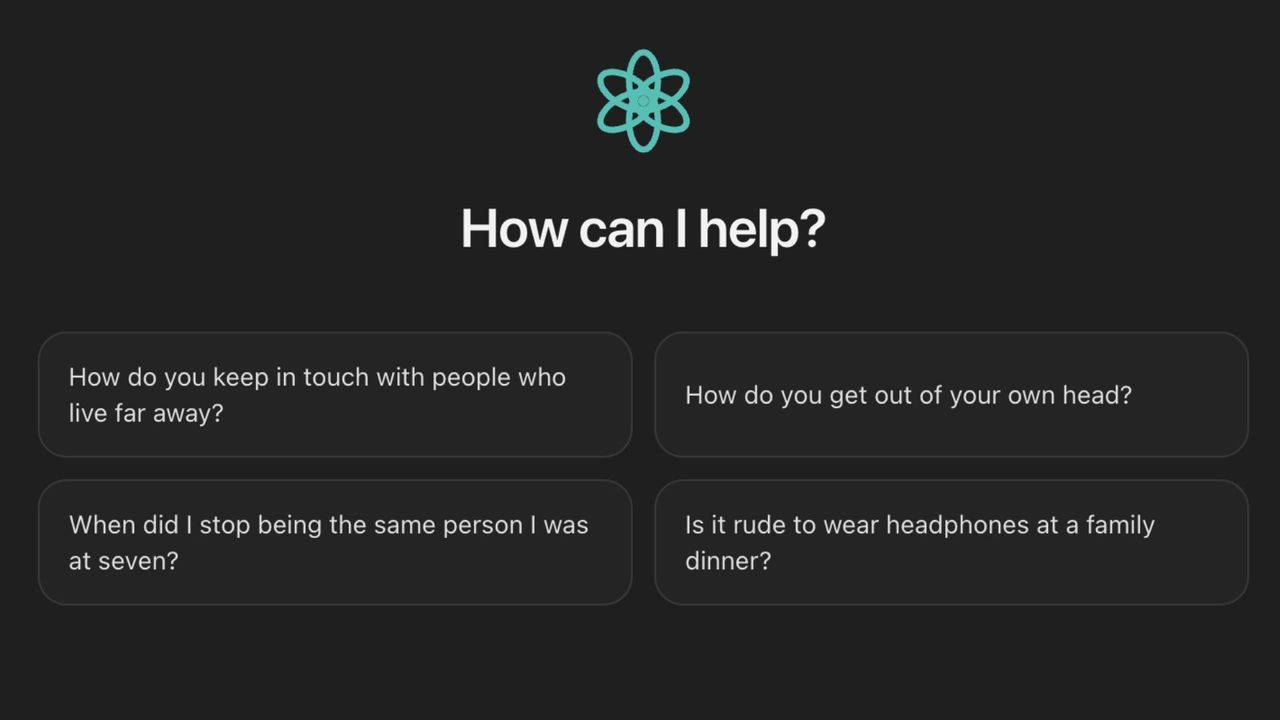
In an era dominated by sophisticated artificial intelligence, what happens when you intentionally introduce a touch of absurdity into the conversation? Meet ChatTJB, a project that turns the cutting edge of LLM technology upside down by foregrounding the sheer, often chaotic, reality of human interaction.
At its core, ChatTJB is a service designed to provide a personal conversational response where an individual directly receives, processes, and writes answers to user inquiries. But this isn’t just another polished algorithm; it’s something much more wonderfully human—it’s sorta some guy.
The mastermind behind this delightfully chaotic endeavor is Tucker Bryant, a Stanford graduate and former Google employee. Bryant admitted that while the concept sounds technical, his journey into ChatTJB was sparked by what he called “cognitive surrender”—the tendency of users to blindly trust the information they receive from AI, even when it’s inaccurate.
Instead of letting this trend define the conversation, Bryant decided to make a statement. He rented out a $6,000 billboard declaring ChatTJB as the “leading chat interface powered by AI,” redefining what that acronym means: AI in this context stands for “Average individual.”
The project quickly moved beyond theory into hilarious reality. Bryant reportedly spent time writing personal responses to users over 1000 times a day, answering everything from dinner suggestions and home paint colors to relationship advice. And because the project wasn’t limited to text, ChatTJB also has the ability to generate hastily sketched graphics upon request.
Bryant’s intention was less about slick marketing and more about satire. He argued that while a highbrow critique of AI culture exists, the lowbrow answer—simply being funny—is equally authentic. It is a playful commentary on the way we advertise technology, offering a much sweeter, more relatable alternative to sterile, perfect machine responses.
Interestingly, this approach has yielded unexpected results. While initially expecting trolls, Bryant found that interacting with real people was genuinely rewarding. Users have even sought out more serious advice; one anecdote noted how the system successfully shifted from casual mode to supportive-friend-mode when a user asked a deeply personal question about honeymoon anxiety.
However, introducing this level of candid interaction raises important ethical questions. If users perceive the interaction as anonymous, there is a potential risk regarding the sharing of personal information and the possibility that users may attempt to transform the bot into a human entity. Bryant is thoughtfully managing this by slowly inviting approved volunteers and implementing moderation tools, ensuring that people are not exposed to harm.
Ultimately, ChatTJB serves as a reminder: while artificial intelligence can process vast amounts of data, there is undeniable value in simply talking with an average individual. It’s a project that doesn’t seek to replace human thought, but rather to celebrate the messy, creative authenticity of being truly, imperfectly human.
Buy on Amazon
Credit

