
Nvidia cancels $4k RTX 5090 order due to price hike
The High-Stakes Price War: When AI Hype Collides with Custom Orders
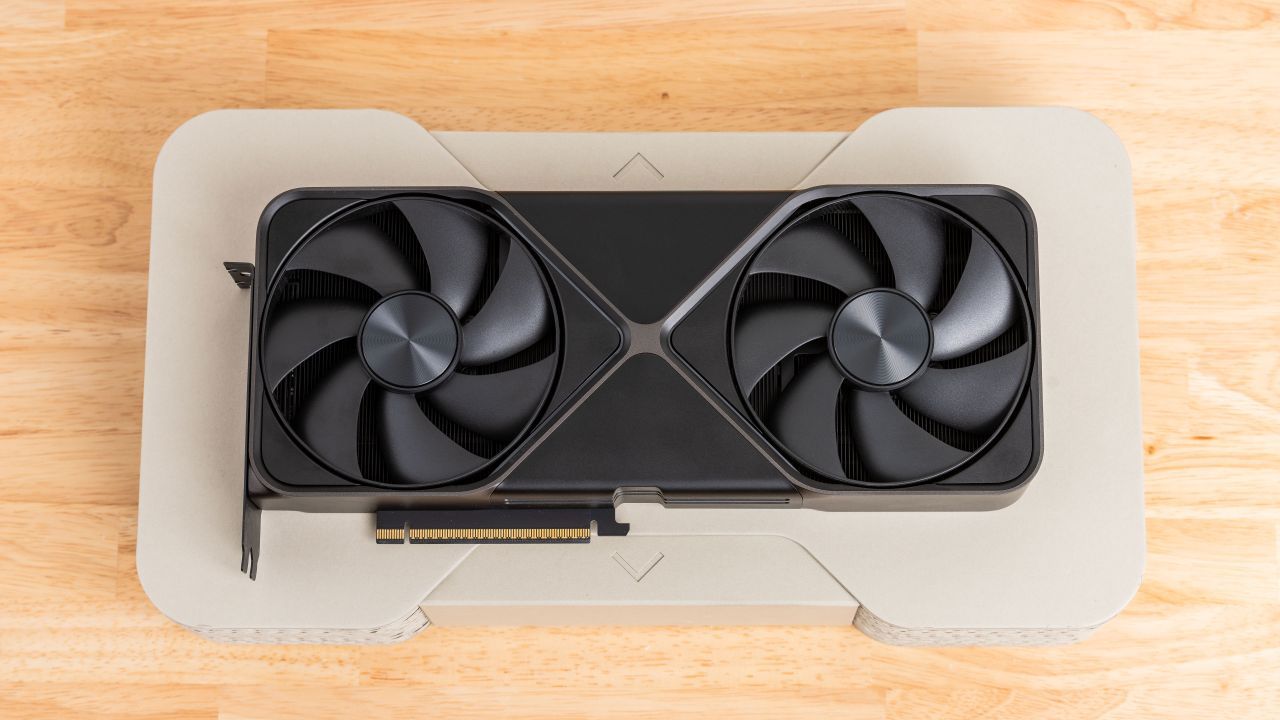
In the fiercely competitive world of high-end PC hardware, where graphics cards are the envy of builders and the engines of the creative industry, a bizarre corporate drama is unfolding. It involves canceled orders, shifting blame, and a significant price jump for next-generation gaming titans. Reports suggest that Nvidia has begun canceling pre-existing orders for the RTX 5090 graphics cards that were placed before the company implemented a new pricing structure.
The dispute quickly escalated beyond a simple transaction, venturing into a tricky territory of corporate communication and liability. One specific instance involved an order for an Asus ROG Astral RTX 5090 BTF card. The situation reportedly boiled down to a buyer being presented with an ultimatum: accept the new, higher price or forfeit the deal entirely.
As this matter circulated online, frustration quickly turned toward the manufacturer. Sources indicate that when the customer reached out to Nvidia’s support team for clarification, the response shifted the focus, placing the blame squarely on Asus. The suggestion was that Asus was at fault for failing to promptly notify Nvidia of the GPU’s updated pricing, thus creating an impossible situation for fulfillment.
This scenario highlights the friction inherent in rapidly evolving market dynamics. While buyers were waiting for clarity on their purchase terms, the blame game shifted between the hardware giant and its key partners, illustrating the complex web of logistics and communication that underlies the extreme costs of modern technology.
Nvidia maintained that while they attempted to honor the original commitment, they could not proceed because Asus was unable to meet the previous price rate. This internal conflict demonstrates how rapidly external market pressures can impact contractual agreements when product pricing shifts dramatically.
Meanwhile, the broader context for these high-stakes transactions is one of sustained inflation in the PC hardware sector. This price volatility is not isolated to the RTX 5090. Reports from other major retailers show that Nvidia and AMD graphics cards across the board have experienced significant price increases fueled by the ongoing AI boom.
The economic pressure stems from several factors: surging demand driven by artificial intelligence applications, rapidly escalating manufacturing costs—particularly for memory components—and the resulting soaring retail prices. This market correction has seen some of the most coveted graphics cards command thousands of dollars more than their initial suggested retail prices.
For example, while the RTX 5090 Founders Edition still holds a specific MSRP, third-party pricing data reveals that high-end custom cards are commanding prices far above launch estimates. This widespread phenomenon signals significant strain on buyers globally, making the hunt for deals in the current PC hardware market increasingly challenging.
As consumers look to acquire the best performance, the reality is a landscape where price hikes continue. Without any immediate signs of a market cooling, savvy buyers should anticipate that this trend of increased costs may persist, ensuring that chasing the very best GPU will continue to test wallets.
Buy on Amazon
Credit