RTX 3090 & 3050 hit 144 FPS at 4K with Lossless Scaling
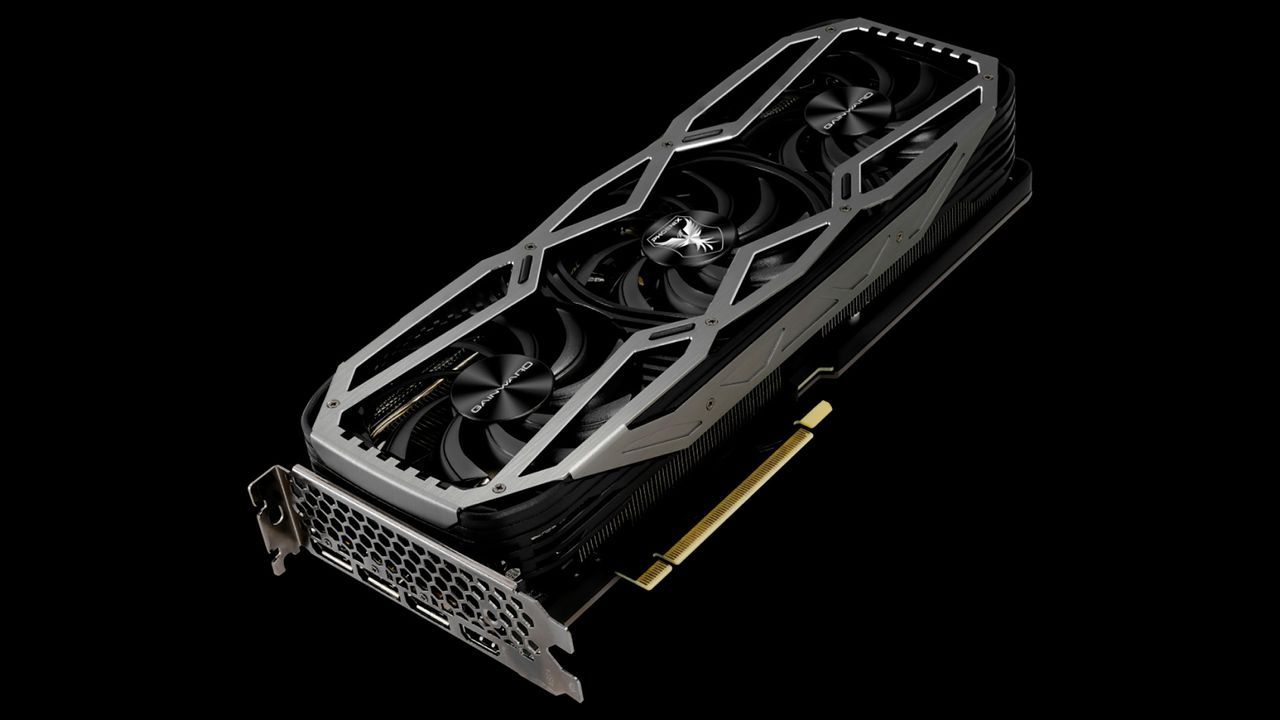
In a world dominated by rapidly evolving graphics technology, it can sometimes feel like the cutting edge is always slipping away. The high-end market is fiercely competitive, making decisions about which graphics card to buy—and how to squeeze maximum performance from your setup—a constant puzzle for gamers.
While flagship cards like the GeForce RTX 3090 once reigned supreme, the quest for peak gaming performance continues. However, savvy enthusiasts are finding ingenious ways to unlock serious frame rates, proving that sometimes the smartest strategy isn’t about raw power, but smart implementation.
Enter Lossless Scaling, a remarkably affordable tool priced at just $7, which harnesses artificial intelligence to provide upscaling and frame generation capabilities to a massive audience. What truly sets this software apart is its compatibility; unlike proprietary solutions such as Nvidia DLSS or AMD FSR, Lossless Scaling works seamlessly across virtually any game or application, regardless of whether they have official support for those specific technologies.
The real magic often lies in combining these tools with strategic hardware configuration. Consider a scenario involving powerful yet accessible cards. A resourceful gaming enthusiast recently demonstrated how pairing two different Ampere-based GPUs—specifically the GeForce RTX 3090 and the GeForce RTX 3050—could dramatically transform performance.
The secret to this boosted performance wasn’t simply stacking power, but intelligently dividing the workload. In this example, the primary powerhouse, the GeForce RTX 3090, focuses on the core rendering of the game. Simultaneously, Lossless Scaling takes on the demanding job of frame generation and upscaling, offloading that intensive task to a secondary card, the GeForce RTX 3050.
This dual-GPU approach ensures that the main card is dedicated solely to rendering, eliminating overhead and allowing for cleaner performance. The result was striking: while the RTX 3090 alone managed around 71 FPS at 4K resolution, when paired with the RTX 3050 and Lossless Scaling frame generation, the system soared to an impressive 144 FPS at 4K.
This performance leap is particularly satisfying for users aiming for high-refresh-rate displays, such as a 144 Hz OLED television. The ingenuity lies in using existing hardware efficiently rather than waiting for a costly upgrade.
Lossless Scaling offers flexible multipliers, including 2X, 3X, and 4X frame generation modes. While the optimal results often depend on the specific GPU pairing, the RTX 3050 proved to be more than capable of handling the frame generation duties effectively at 4K resolution.
In an era defined by global memory shortages and rising hardware costs, finding cost-effective solutions is essential. Tools like Lossless Scaling provide a clever pathway to boost gaming performance by maximizing what you already own. Even older cards, such as the GeForce GTX 750 Ti or Radeon RX 550, can be revitalized with these smart techniques.
Ultimately, the argument for frame generation often sparks debate about whether it constitutes ‘fake’ frames. However, when viewed through the lens of cost-effectiveness and practical performance enhancement, this technology offers a compelling, accessible way to enhance the gaming experience right now—a clever workaround until the market catches up with hardware availability.
Buy on Amazon
Credit
