China AI bypasses export controls to snag Nvidia Blackwell chips
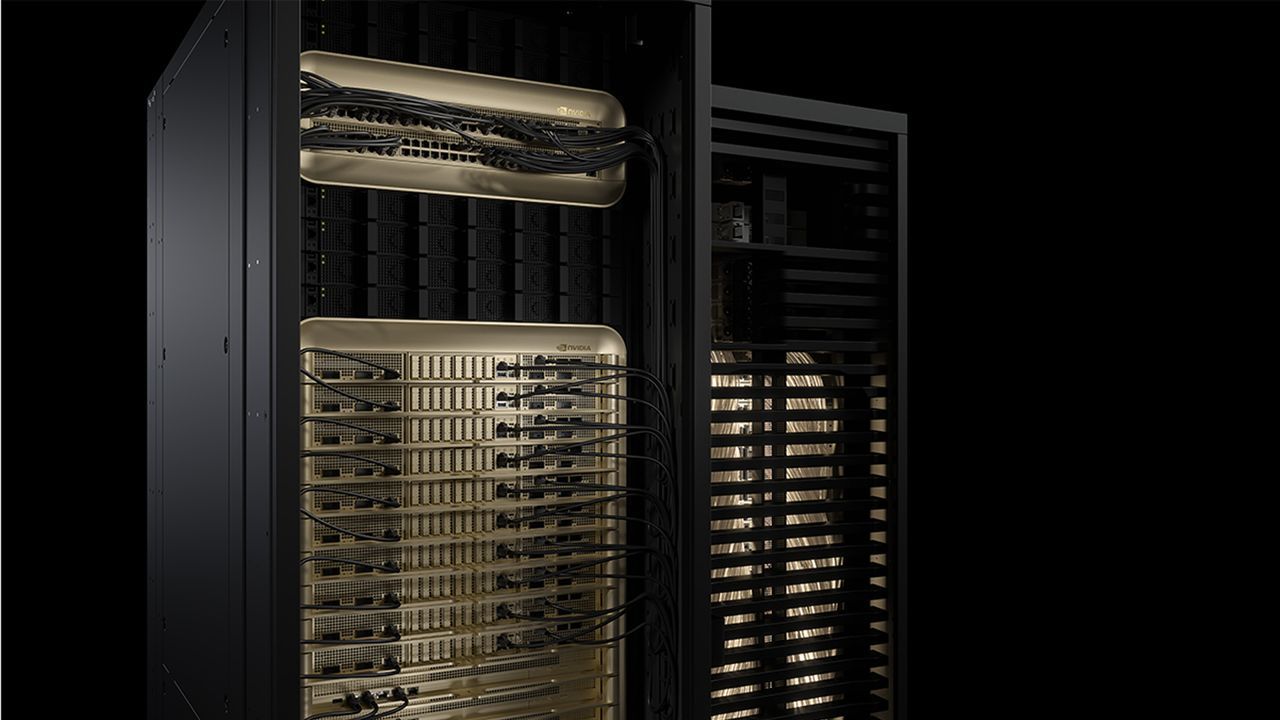
The global competition for dominance in artificial intelligence is unfolding at warp speed, with cutting-edge semiconductors serving as the central battlefield. At the heart of this high-stakes race are Nvidia’s powerful Blackwell AI chips, technology that has instantly transformed into a flashpoint for geopolitical tension between the United States and China.
The situation is defined by strict export controls: the U.S. government has barred the sale of these advanced chips to Chinese entities, while Beijing simultaneously works to establish its own ambitious domestic AI chip industry. This creates a classic standoff where technological advancement meets international policy, forcing companies on both sides to become masters of creative circumvention.
Despite these stringent regulations, the ingenuity displayed by Chinese AI firms demonstrates a remarkable ability to navigate complex trade barriers. We have seen reports indicating that these companies have successfully secured access to Nvidia chips through creative workarounds, including ordering through nearby nations and utilizing cloud operators in other jurisdictions.
The stakes become even higher when considering frontier models. For instance, Moonshot AI, a prominent Chinese entity, reportedly utilized Blackwell chips to train the recently released Kimi K3 model. However, obtaining enough of these scarce resources for such massive training efforts proved challenging, necessitating sophisticated coordination across multiple data centers and servers to harness the necessary computing power.
This pursuit highlights a significant technological gap. Experts suggest that the drive to train frontier models is proving incredibly difficult using homegrown accelerators in China. While local chip development is promising, the domestic AI hardware remains a generation or two behind Nvidia’s current offerings, with reports indicating several months of backorder for advanced processors.
For the deployment and inference phase—the actual running of AI applications—Chinese firms have sought alternative routes. They reportedly rely on chips like Nvidia’s HGX H20, a last-generation chip that avoids direct trade restrictions between the two major powers. This strategy allowed them to run powerful models like Kimi K3, leveraging external resources to bypass bottlenecks created by the export limitations.
Further complicating the regulatory landscape is the evolving debate around access through offshore means. Statements from high-level officials have suggested that renting advanced chips, even outside direct sales channels, may be permissible until new legislation comes into effect. This has led to a new legal framework, like the Remote Access Security Act, which aims to treat remote access as an export event to solidify control over these assets.
Meanwhile, the scrutiny continues. The Department of Commerce is formally investigating whether Chinese firms are accessing advanced U.S. chips like Blackwell GPUs, ensuring that this dynamic remains a focal point in the ongoing struggle for AI supremacy.
In China, while there is an official push toward local chip manufacturing, it is an open secret that many high-level players already possess or have access to advanced computing hardware. The question remains whether current policies are intentionally allowing certain AI players to advance, enabling them to catch up to global leaders like OpenAI and Anthropic.
Credit