China chip exports nearly doubled to $177B in H1 2026
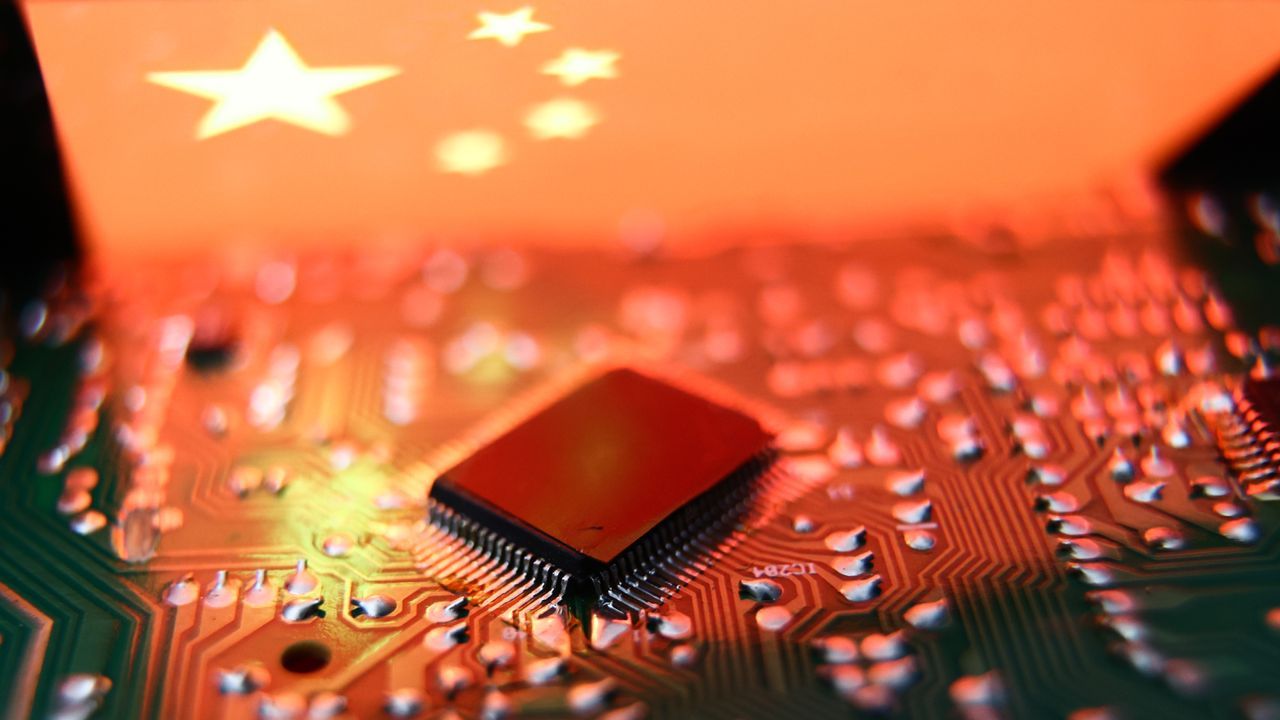
The Silicon Surge: How China is Fueling the Global AI Race
In just six months of 2026, China’s contribution to the global chip market didn’t just grow—it exploded. The country exported 179.44 billion integrated circuits, generating a staggering value of $177.28 billion. This figure represents an astonishing increase of more than 96% year on year, signaling that Beijing is firmly establishing itself as the epicenter of the global semiconductor boom.
This massive export surge isn’t just a random market fluctuation; it’s deeply rooted in two powerful forces: the insatiable global appetite for artificial intelligence hardware and a dramatic worldwide memory price boom. While the headline figures suggest an unbelievable volume increase, closer examination reveals a fascinating story about how global demand has fundamentally reshaped the value of China’s output.
The underlying mechanics are complex. The customs administration attributed this growth to soaring global demand for AI components, but the true engine driving the valuation was the market’s pricing power. The half-year value figure implies an average export price of roughly $0.99 per chip. This average reflects the mix of products—including memory, power management chips, and microcontrollers—and accounts for the significant amount of chips that are processed and tested within China before being re-exported.
The growth acceleration has been particularly striking when looking at monthly figures. In January and February alone, IC export value jumped by 72.6% year on year, even though volume growth remained relatively modest at only 13.7%. This tells a powerful story: prices were skyrocketing, driven by the ripple effect of AI demand across data centers and memory supply chains.
This price-driven dynamic is reflected in the broader technology sector. As manufacturers like Samsung, SK hynix, and Micron pivot their capacity toward high-bandwidth memory for AI accelerators, the cost of conventional memory—DRAM and NAND—has surged. This inflationary pressure has pushed spot and contract prices sharply higher throughout 2025 and into 2026.
Chinese memory makers, such as CXMT in DRAM and YMTC in NAND, are sitting squarely in this valuable commodity segment, with their export quotations rising hand-in-hand with global market pricing. This demonstrates how strategic control over commodity supply can translate directly into massive economic leverage for the nation.
While the customs data captures the gross value of cross-border trade, it’s important to remember that a significant portion of these exports involves processing trade—chips imported, packaged, or tested at Chinese facilities before heading out the door. This nuance highlights the scale and complexity of China’s role in modern supply chains.
Beyond core chips, this AI-fueled industrial momentum is sweeping across related sectors. Exports of automatic data processing machines and parts, covering computers, servers, and memory modules, saw an impressive 41.3% year-on-year rise to $138.08 billion in the first half. Furthermore, industrial robot exports also grew by 18.6%, demonstrating a widespread technological shift that extends far beyond silicon.
As China reports these record figures, it reinforces its narrative of industrial strength. As Vice-Minister Wang Jun noted during a recent briefing, the export growth was fundamentally driven by matching domestic products with diverse global demand. This impressive trajectory solidifies China’s position not just as a manufacturer, but as a pivotal force dictating the flow of the digital economy.
Buy on Amazon
Credit