China counters Anthropic on AI brakes
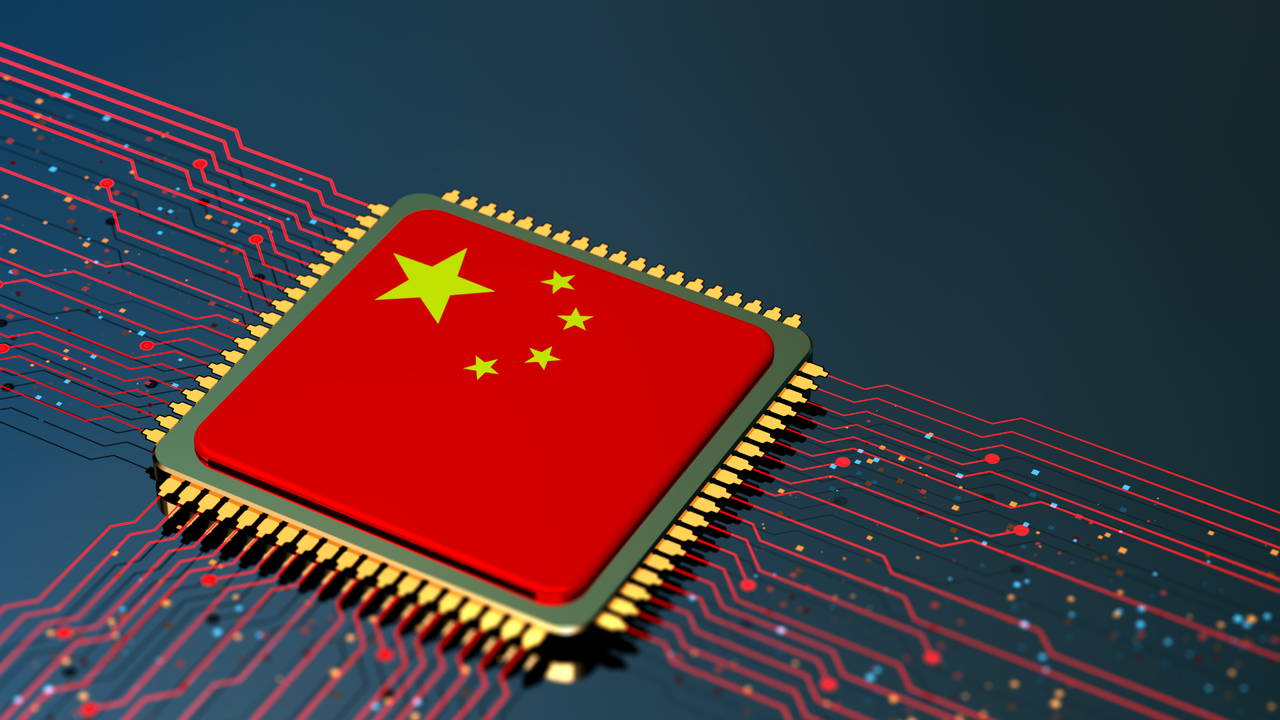
The AI Arms Race: Fear, Alliance, and the Quest for Global Safety
In the fiercely competitive world of artificial intelligence, the stakes are rising faster than ever. As the frontier of AI accelerates, some leaders are not just looking at technological breakthroughs; they are issuing stark warnings about existential risks. Anthropic’s CEO, Dario Amodei, recently cautioned that an AI-driven botnet swarm could potentially take over the entire internet within six to twelve months, highlighting the immense, complex, and potentially chaotic power embedded within advanced AI systems.
This alarming forecast arrived amidst a flurry of high-level corporate maneuvering. The warning was tied to a broader corporate ‘alliance’ involving major players like Anthropic, OpenAI, and SpaceXAI. While the focus was on technological safety, the move immediately injected a sharp dose of geopolitical tension into the global AI landscape, prompting serious questions about whether these efforts were driven by genuine concern for humanity or a calculated response to intense competition from China.
China’s official state-run newspaper, China Daily, weighed in on this unfolding drama, questioning the intentions behind the coordinated play. The publication suggested the alliance was less about universal safety and more about strategic positioning. It argued that the coordination lacked true global scope, implying that an AI-safety framework that excludes China cannot be truly global.
The underlying friction stems from the escalating technological rivalry between the United States and China. This rivalry is evident in the ongoing efforts by Washington to impede Chinese AI advancement, both through restrictions on critical hardware, such as limiting access to Nvidia chips, and through software controls. Furthermore, accusations flew regarding the illicit distillation of advanced models, suggesting a struggle over intellectual property and the pace of technological development.
Despite these geopolitical sparring matches, the competitive environment is driving innovation in unexpected ways. The pursuit of cutting-edge capabilities has led to a market shift where users are increasingly gravitating toward more accessible, cost-effective models. This shift has seen demand pivot away from the most expensive frontier systems toward highly capable alternatives, demonstrating a practical response to the economic realities of the AI race.
Chinese developers, for instance, have demonstrated success by developing models like DeepSeek and Kimi K3, which delivered impressive performance at a fraction of the cost. This success illustrates that the race for AI dominance is not solely defined by who controls the most expensive labs, but by who can deliver powerful, accessible tools efficiently.
Ultimately, the conversation must pivot from a zero-sum game to a shared responsibility. While the geopolitical dynamics remain complex, a consensus is emerging that the promise of AI lies in serving humanity’s common good. The state media outfit acknowledged the serious risks posed by uncontrolled development, calling for collaboration between the US and China. The path forward, it suggested, involves leveraging planned high-level exchanges to manage these risks collectively, ensuring that the incredible power of artificial intelligence is instrumentalized for human benefit, not geopolitical gain.
Credit