China set to dominate DRAM production with rising memory capacity
The Memory Race: How China is Rewriting the Rules of Global Semiconductor Production
The world of memory—the silicon backbone powering everything from smartphones to supercomputers—is currently experiencing a dramatic shift. At the heart of this transformation is an ambitious push by China to become a global powerhouse in DRAM production, challenging the established dominance of South Korea and the United States.
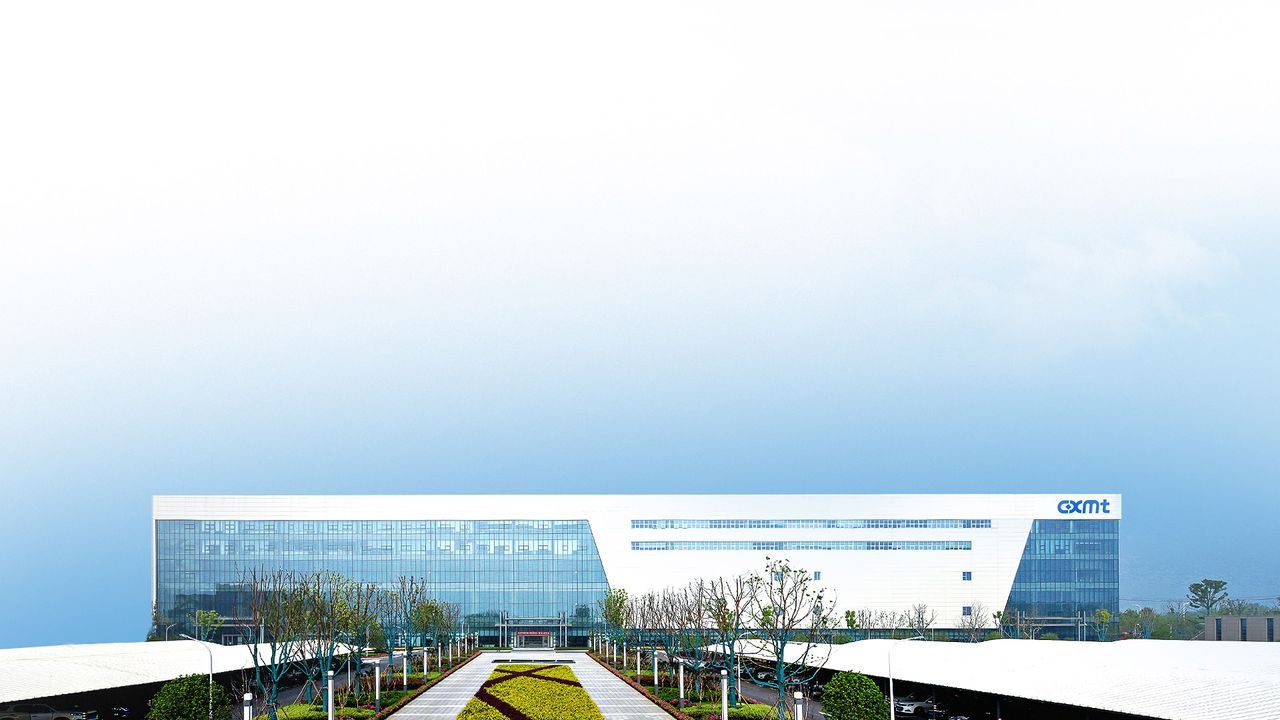
ChangXin Memory Technologies (CXMT), China’s largest DRAM manufacturer, is poised for an explosive growth trajectory. Based on current forecasting models, CXMT is expected to match Micron‘s production capacity by 2026. If these estimates hold true, China stands to become the world’s second-largest DRAM production base in the coming years, signaling a massive restructuring of the global supply chain.
This expansion isn’t just about numbers; it’s a geopolitical and industrial statement. The push is fueled by government initiatives designed to ease domestic shortages. Several key entities are rapidly building out the necessary infrastructure: Swaysure has completed a large fab in Shenzhen, while JHICC’s complex in Jinjiang provides significant cleanroom space, and YMTC is gearing up its Wuhan Fab 3. These facilities, along with CXMT’s planned expansions in Beijing, Hefei, and Shanghai, promise to significantly boost domestic output.
Collectively, these developments project a total DRAM capacity for China that could reach 600,000 wafer starts per month (WSPM), excluding the massive production from Samsung and SK hynix. Looking further ahead, experts predict this industrial ambition will propel China’s total DRAM capacity to around 1.41 million WSPM by 2030.
But manufacturing this kind of advanced silicon is not simply about building factories; it requires cutting-edge technology. The biggest hurdle facing Chinese producers lies in access to the specialized lithography equipment necessary for creating these chips. Key players like SMEE and SiCarrier are working to develop their own production-ready DUV platforms, hoping to bypass reliance on foreign suppliers.
While optimism runs high regarding domestic innovation, there is a clear acknowledgment that fully realizing this potential hinges on the availability of immersion DUV scanners—extremely complex machines containing tens of thousands of parts. The timeline for these new tools to reach meaningful production volume still requires significant ramp-up time, suggesting that while China is on track to become a major DRAM maker sooner than expected, mass production of advanced chips may not fully materialize before the early 2030s.
Meanwhile, global demand continues to spiral upwards. Citrini Research projects total DRAM demand to hit 157.5 exabytes (EB) per year by 2030, with massive appetite for AI-related memory like HBM4E and HBM5. Despite this soaring need, the overall industry production is estimated to reach only 91.3 EB of commodity DRAM and 37.5 EB of high-bandwidth memory (HBM4E/HBM4) by that time.
This disparity points to a critical truth: even with China’s capacity surge, the expansion primarily addresses domestic needs rather than eliminating the global shortage. Analysts believe this rapid growth could still play a beneficial role in keeping memory prices relatively stable for consumer devices, but the ultimate challenge remains balancing massive global demand against the complex realities of advanced manufacturing technology.
Credit
