Chinese DRAM misses budget savior hype
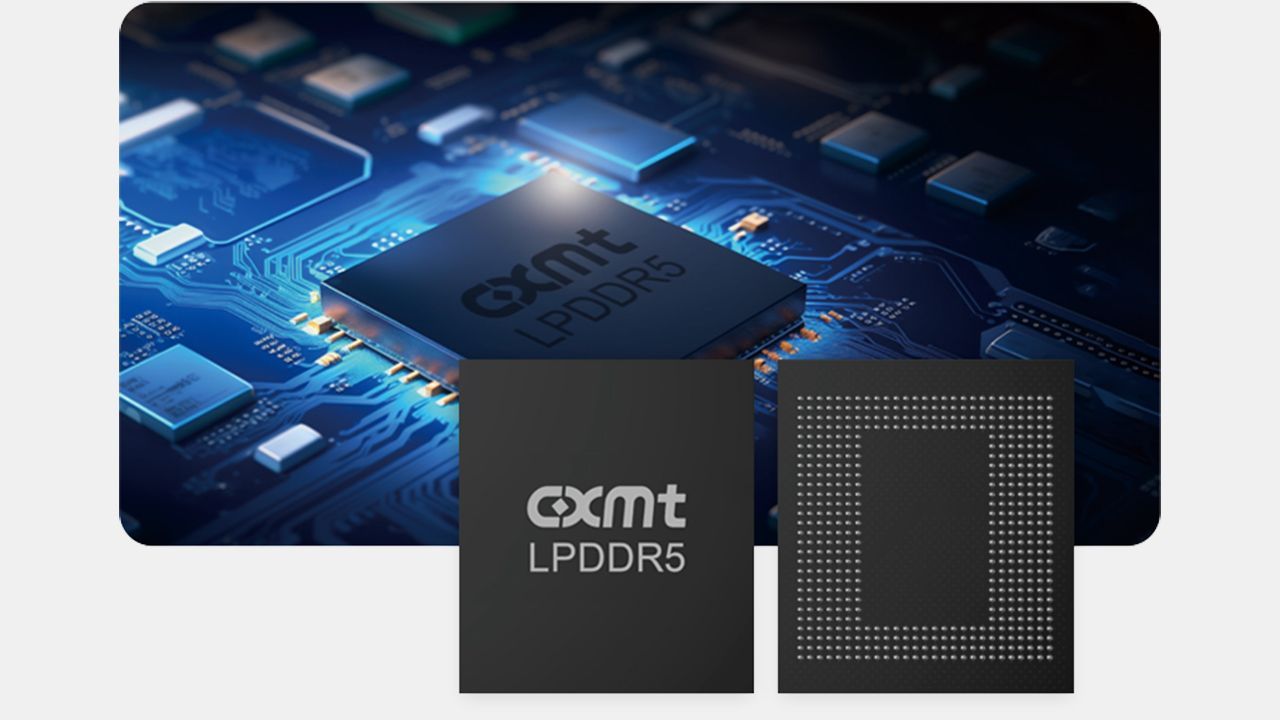
There’s a persistent rumor buzzing in the memory market: that once memory modules utilizing chips from CXMT enter the consumer sphere, cheaper alternatives to those based on the Big Three—Micron, Samsung, and SK hynix—will inevitably appear. This idea suggests a simple cost-saving revolution is just around the corner, but the reality of the supply chain tells a more complicated story.
When we look at actual pricing for high-end components, the numbers don’t immediately support this theory. For example, a 64GB DDR5-5600 RDIMM built with memory from Samsung or SK hynix commands a price around $2,745 to $2,805. Yet, modules featuring the identical capacity and specifications using CXMT chips are priced slightly higher, hovering near $2,805.
While the difference seems minor—a mere 2.2%—it highlights that cost is rarely a simple equation. The perception of a cheaper alternative ignores the underlying technological differences and the complex economic forces at play in the semiconductor industry.
The core of the issue lies in fabrication technology. CXMT produces its memory chips using an older manufacturing process. This results in several tangible drawbacks compared to the latest processes employed by Micron, Samsung, and SK hynix: reduced power efficiency, lower performance potential, and significantly limited overclocking capabilities.
Despite this, cost considerations introduce another layer of complexity. The Chinese government heavily subsidizes both ChangXin Memory Technologies and Yangtze Memory Technologies, enabling them to offer memory at lower prices than their production costs might suggest. This subsidy allows module manufacturers to operate more cheaply, even if the chips themselves are technically less advanced.
This situation means that while CXMT may secure favorable chip pricing due to government directives, this advantage doesn’t necessarily translate into significant retail savings for end customers. Module producers tend to price their products based on market demand and what the market is willing to bear, rather than strictly reflecting the production cost or inherent characteristics of the silicon.
Furthermore, when major brands like Apple, Dell, or Corsair incorporate a specific memory chip SKU into their systems, those components must pass rigorous internal validation and testing. This process adds substantial costs, effectively blurring any potential price gap between suppliers.
In the end, while using CXMT chips might streamline operations for hardware manufacturers, it is unlikely to cause a dramatic drop in the retail prices you see on the shelf. The market competition, supply-demand conditions, and the layers of validation costs ultimately determine what you pay.
Credit