Chinese makers stock up on Western DUV machines for expansion
The global technological arms race is no longer theoretical; it is a tangible battle fought over the very silicon that powers our modern world. Artificial intelligence capabilities are emerging as a critical barometer for assessing both soft and hard power, yet this sophisticated digital advancement ultimately hinges on the physical hardware beneath it. While the geopolitical rivalry often focuses on ideology, the real leverage lies in control over the physical manufacturing capabilities—the specialized machines that carve the future of semiconductors.
This hardware dependence creates a fascinating dynamic, particularly in the semiconductor supply chain. Despite significant pushback from various nations to back domestic manufacturing and eliminate reliance on foreign technology, the flow of critical equipment remains complex. For instance, much of the advanced hardware supply chain is anchored by Western companies, with crucial manufacturing tools originating from entities like ASML.
Yet, the narrative of technological catch-up is rapidly shifting. China is not just observing this race; it is actively playing to win. While domestic alternatives are still a few years behind the productivity levels of cutting-edge Western machines, China is employing a multi-pronged strategy. They are making significant strides in developing their own capabilities while simultaneously leveraging global supply chains.
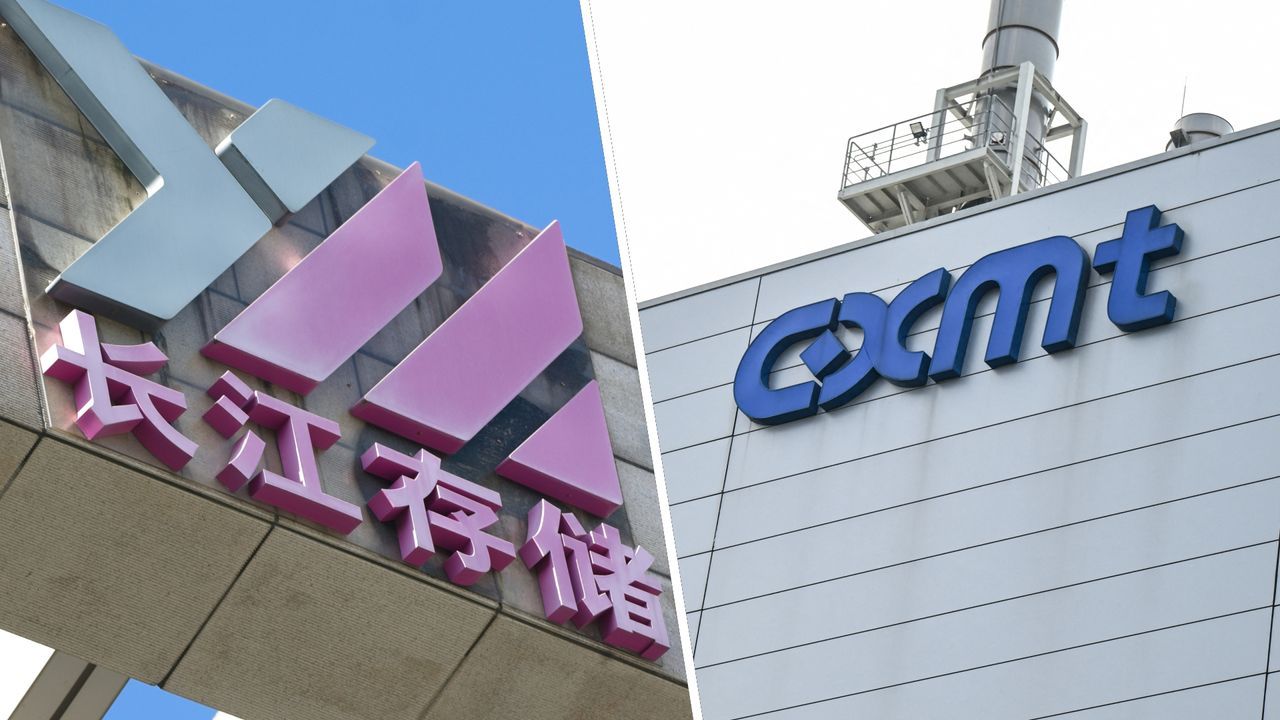
Consider the Deep Ultraviolet (DUV) machines, which, while not the newest iteration, remain foundational to chip production. While the industry looks toward Extreme Ultraviolet (EUV) technology for the next leap, DUV equipment provides the necessary foundation. This is where the competitive landscape gets particularly interesting. Chinese memory makers, such as CXMT and YMTC, have reportedly secured a significant supply of DUV machines from Western counterparts. This inventory is reportedly sufficient to support their ambitious plans for expansion over the next three years.
This strategic acquisition allows these companies to accelerate their growth. Furthermore, the intense competition in the memory market is proving to be a powerful catalyst. Chinese memory producers have been steadily increasing their market share, and their innovations are now appearing in products used globally. Their chips have even begun appearing in RAM kits that match the performance specifications preferred by Western gamers, demonstrating a remarkable level of technical achievement.
As these companies plan for ever-more fabrication plants, the competition intensifies. Whether through domestic development or strategic sourcing of equipment, the story of semiconductor manufacturing is a vivid illustration of how technology, geopolitics, and industrial strategy intersect to determine the global future.
Credit