Chipmakers commit to ASML tech by 2028
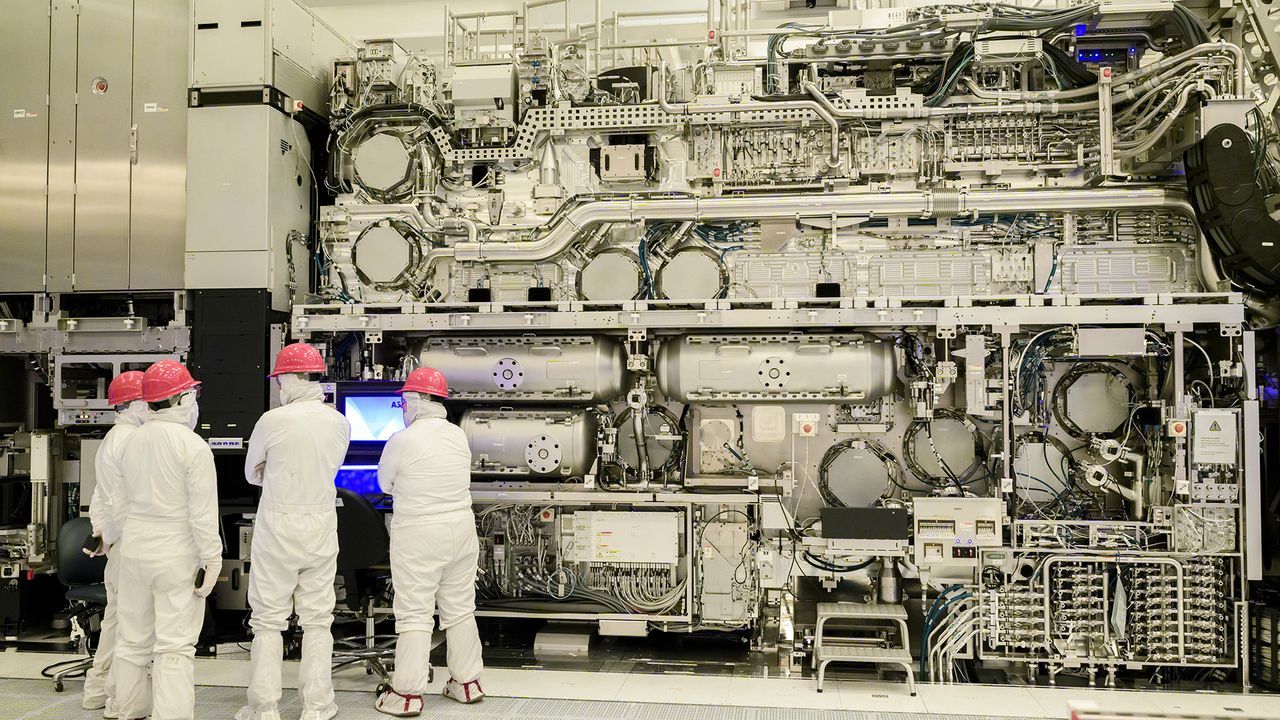
The future of computing hinges on the microscopic world of chipmaking, and the race to achieve ultimate density and speed is now being driven by a revolution in lithography. At the forefront of this transformation are the advanced tools provided by ASML and the industry’s ambitious push toward High NA EUV technology, promising to reshape how the next generation of microprocessors is built.
Major players are already moving the goalposts. Samsung plans to utilize ASML’s latest High NA EUV machines for “volume manufacturing” by 2028, while TSMC is set to follow suit, aiming for the same high-resolution processes starting in 2030. This transition involves moving from traditional 6-inch photomasks to the industry-disrupting 12-inch masks.
What exactly is the magic of High NA EUV? This technology, which stands for “high numerical aperture extreme ultraviolet,” is the pinnacle of chipmaking. It drastically simplifies the process of creating complex chips by allowing more data to be stenciled onto a wafer in a single shot. By removing certain production steps, it not only speeds up manufacturing but also significantly increases yields and allows for the creation of more dense wafers.
This shift is not just a technical refinement; it’s an economic necessity. By expanding the mask size to 12 inches, manufacturers can cover more of the wafer with each EUV exposure. This dramatically reduces the number of steps and operations needed, leading to cheaper, faster, and far more efficient production lines.
ASML’s leadership sees this evolution as crucial. They expect the adoption of High NA EUV to progress along the device scaling roadmap, aiming to establish a 12-inch mask pilot line by 2031. This groundwork is designed to pave the way for 12-inch High-NA lithography systems to enter advanced node production by 2033.
This technological sprint is fueled by unprecedented demand. The ongoing AI boom is creating a voracious appetite for powerful processors, pushing demand for both memory and CPUs to levels that challenge current supply chains. Experts predict that the demand for memory, in particular, is expected to outstrip supply even beyond 2030.
While the pace of technological change is relentless, the industry’s commitment to these new methods reflects a deep confidence in the semiconductor market. The drive toward High NA EUV and larger masks is the necessary industrial response to the immense, ongoing demand for faster, smaller, and more energy-efficient chips that power the digital age.
Buy on Amazon
Credit