Console exclusive slams GTA 6 charts fans are furious
When a giant like Microsoft promises more console exclusives, the resulting landscape often sparks some delightful contradictions. On the surface, everything seems streamlined, but beneath the glossy surface of modern gaming lies a fascinating tangle of backward compatibility, security woes, and platform politics.
One of the most enduring features of the Xbox ecosystem is its backwards compatibility program. It offers access to hundreds of beloved titles from the original Xbox and Xbox 360 eras, allowing players to dive into rich gaming history right on modern systems. This nostalgia trip is powerful, but it comes with a technical catch: older games on these legacy systems often lack the robust security layers that modern platforms enjoy.
This is where the friction begins. While gamers enjoy dipping into classic titles, system vulnerabilities have allowed hackers to compromise the experience on older Xbox versions, making them virtually unplayable for many. This security gap has created a unique situation when considering cross-platform migration.
Consider the massive Call of Duty franchise. For years, players seeking these classics had options, but access was often limited. When we look at how games migrate across platforms, it becomes clear that system architecture dictates destiny. The ability to play certain titles on Xbox versus PlayStation creates an interesting power dynamic.
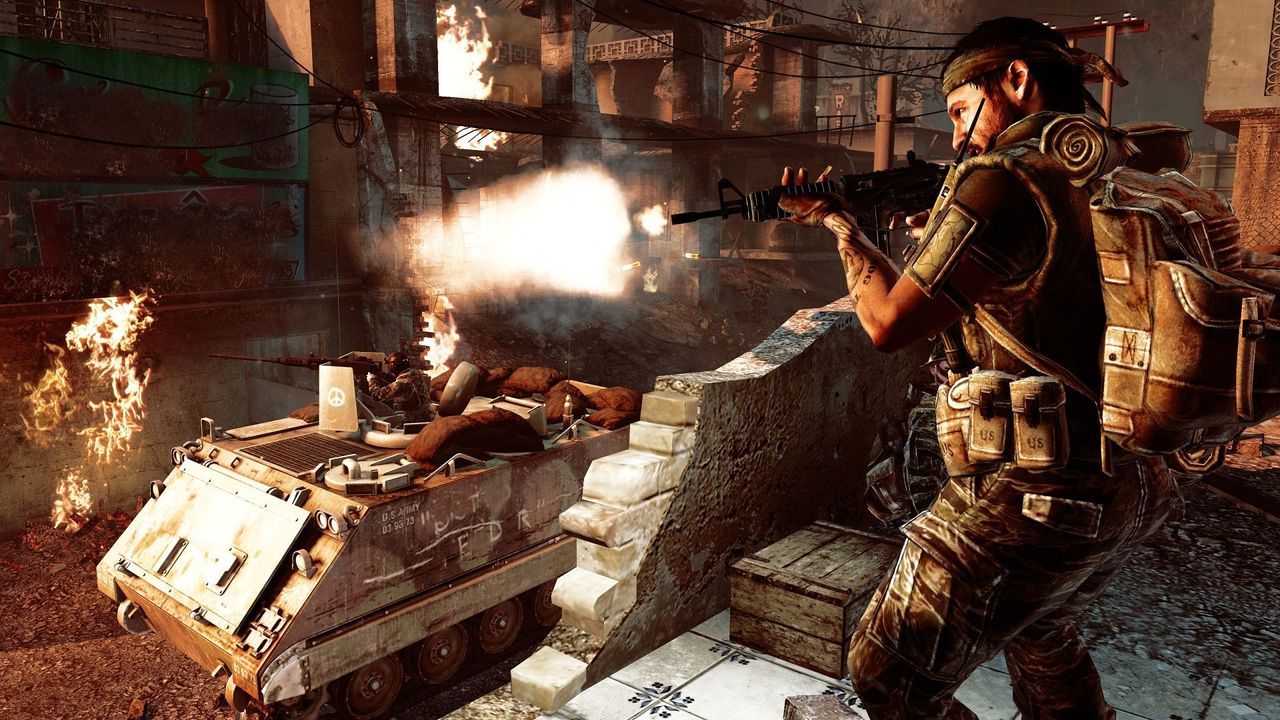
When Microsoft and Activision made the move to port Call of Duty: Black Ops 1 and 2 to the PlayStation 5, fans were thrilled. These ports are already dominating charts, proving that the nostalgia for these classic titles is still incredibly potent across all platforms.
This success highlights the systemic difference in how these games exist now. Because the PlayStation ports operate in a segregated environment, they are far less susceptible to the hacking issues plaguing some of the older Xbox backward-compatible versions. This effectively turns those specific legacy titles into de-facto PlayStation exclusives when viewed through a cross-platform lens.
It’s a curious outcome: a massive acquisition and platform strategy seems to have unintentionally led to this splintering of the community. While Microsoft may have aimed for universal access, the technical realities of system maintenance seem to have created an unexpected divide between Xbox fans and PlayStation enthusiasts regarding these shared gaming memories.
The situation raises questions about development philosophy and organization. When a major publisher enters the space, the execution—or lack thereof—in managing legacy systems and security updates can create unforeseen chaos. It seems that while the desire for universal access is strong, the technical execution of platform separation has introduced a new layer of complexity.
Ultimately, this story is less about exclusives and more about how digital heritage is managed in a rapidly evolving gaming world. It’s an excellent reminder that even the most classic games can become entangled in complex technical and community debates.
Credit
