Console sales plunge 39% as memory costs push prices to $542
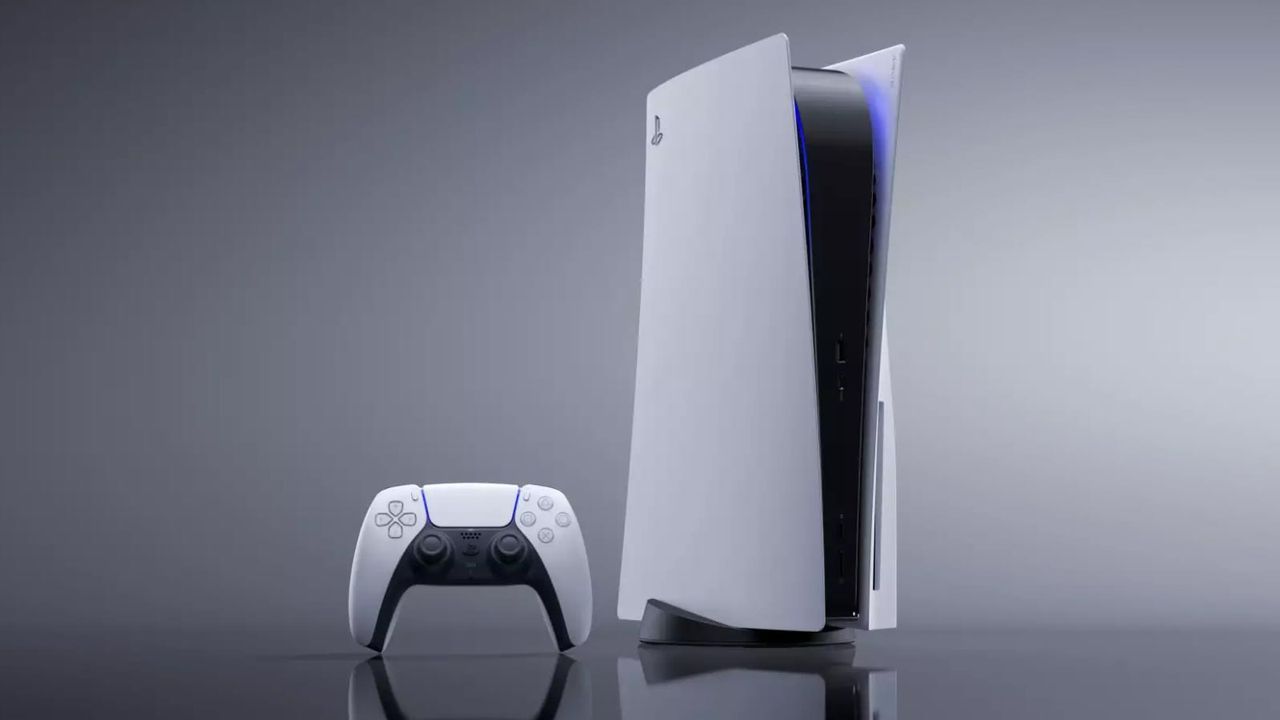
The console market is currently experiencing a dramatic deflation, turning the once-brilliant world of gaming into a study in economic contraction. Spending on physical game disks has hit a record low since tracking began in 1995, signaling a major shift in how consumers interact with their favorite gaming systems.
This slump isn’t just about reduced enthusiasm; it’s rooted in a complex interplay of supply chain crises and aggressive pricing strategies. U.S. console hardware sales plummeted by 39% in July compared to the previous year, while the average price for a new system simultaneously climbed by 16%, settling at $542. This simultaneous rise in cost and fall in volume paints a picture of a highly inflationary, yet less exciting, market.
The overall dollar sales for the console segment totaled $282 million in July, marking a 29% drop and the lowest total since 2020. Analysts point to the relentless cost of essential components, like RAM and other hardware, as a major culprit, a factor that Circana noted wasn’t visible in prior reporting.
The performance across the major platforms varied significantly. While the PlayStation 5 managed to boost dollar sales by 29% in July, this growth was achieved despite a 6% drop in unit sales. This success was driven by Sony’s strategic $100 price increase across its PS5 range, including the PS5 Pro, positioning the hardware as a premium offering.
In contrast, the Xbox Series faced an 18% unit decline, matching its dollar sales drop. Microsoft’s strategy included raising prices on every Xbox model for the third time in two years and dropping the 2TB model, signaling a shift in their hardware economics.
Perhaps the most dramatic decline was seen in Nintendo’s lineup, where the Switch 2 units fell by 51% and dollar sales dropped by 52%. While the Switch 2 is still awaiting its own price adjustment—scheduled for September—the underlying cost pressures are severe. RAM costs for the console soared by 41% late last year, and the gaming giant reportedly plans to cut production output to manage the sluggish holiday season.
Physical game media is facing an existential challenge. Spending on these physical disks fell to $85 million in July, the lowest recorded figure since 1995. Despite this decline, Nintendo platforms still dominate the physical game market, accounting for 63% of U.S. spending, followed by PlayStation at 32%. Meanwhile, Sony has already announced plans to end physical disc production for new PlayStation games entirely by January 2028.
As the industry pivots further toward the digital realm, the definition of “spending” is evolving. With Microsoft withholding digital sales data from tracking firms like Circana, the true landscape of the market is becoming less about physical units and more about the flow of digital content and evolving hardware costs. Ultimately, the gaming world is trading in physical objects for calculated digital experiences, all while navigating a landscape defined by escalating hardware costs and shifting market dynamics.
Buy on Amazon
Credit
