Control Unified Memory with Windows 11 and RTX Spark
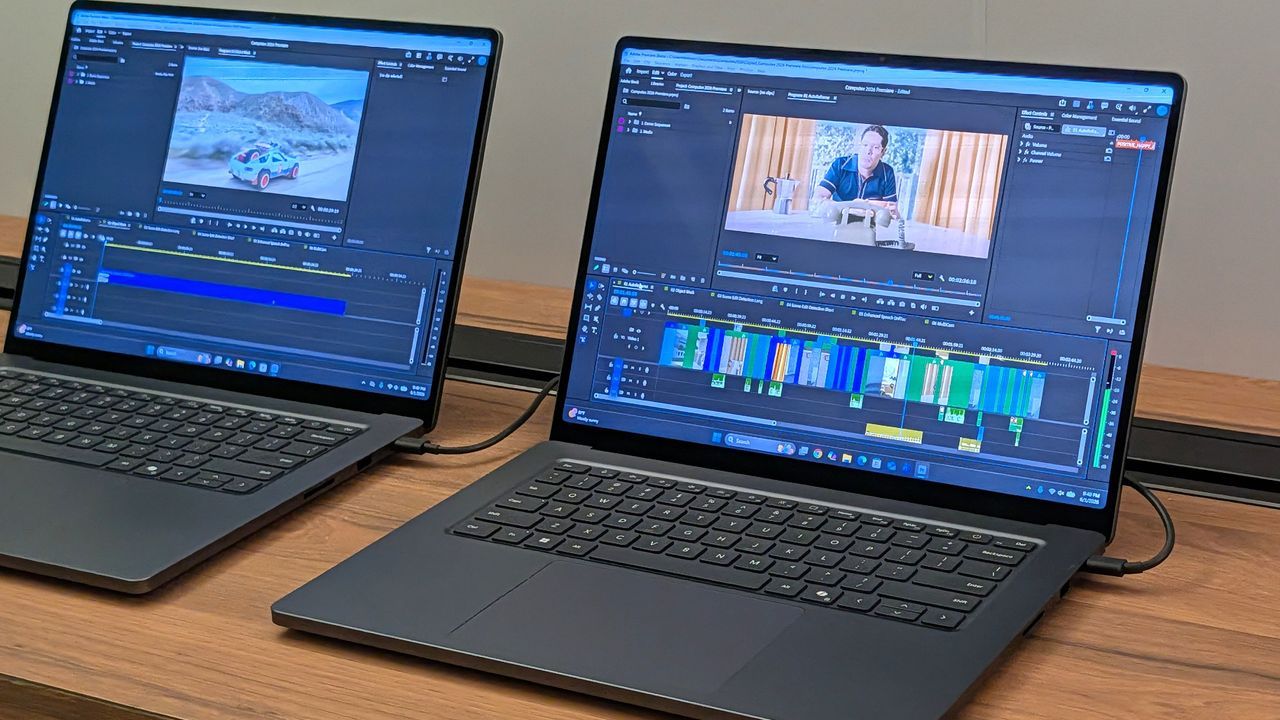
Unlocking the Future of Performance: Windows 11 is Preparing for Unified Memory Revolution
The way modern computing handles memory is on the verge of a massive shift. Windows 11 is quietly preparing to introduce a game-changing feature that will redefine how graphics and AI applications access system resources. This upcoming update promises to give users granular control over high-bandwidth memory, leading to smoother, more consistent performance for the most demanding workloads.
At the heart of this change is the concept of unified memory. Traditionally, personal computers relied on dedicated video memory (VRAM) separate from the main system memory. However, unified memory is a more efficient approach, allowing the CPU, GPU, and other processors to share a single pool of high-speed memory. While concepts like this were popularized by companies like Apple with their M-Series chips, this technology is now becoming mainstream, with advancements seen in hardware like NVIDIA’s RTX Spark and AMD’s Ryzen AI Max chips.
The potential for unified memory is immense. It eliminates the limitations of separate memory pools and allows for much more flexible resource allocation. Yet, when memory is shared dynamically, a significant challenge arises. In heavy workloads—such as intensive 3D gaming or complex local AI inference—the system must constantly shift resources. This dynamic sharing can lead to frustrating latency spikes, noticeable frame drops, or even total out-of-memory crashes when applications compete for the same pool of RAM.
Microsoft is addressing this challenge by introducing a new feature that allows Windows 11 users to explicitly reserve additional unified memory specifically for graphics and AI-intensive applications. This feature aims to guarantee uninterrupted access to high-speed memory for these demanding tasks.
By allowing users to set memory reservations, the system can prioritize resources for graphics and AI workloads. This ensures that when you are running demanding applications, those tasks have a dedicated, high-speed pipeline, eliminating the contention that often plagues performance during heavy multitasking. Essentially, it moves the system from purely dynamic sharing to intentional resource allocation, tailored for peak performance.
While this innovative feature is still in testing and has not been officially announced by Microsoft, it represents a vital step forward in optimizing the Windows experience. For now, users interested in leveraging this capability will need to wait for the feature to enter broader testing or ship to general users. We recommend allowing Microsoft the time needed to polish this experience and resolve any potential complexities before adopting it.
Buy on Amazon
Credit