Corsair Frame 4000X: Dream case or disappointment
There is something uniquely satisfying about taking a box of components and assembling a machine—it’s a digital form of Lego, offering endless possibilities for self-expression. When you open the door to custom PC building, you realize the appeal isn’t just in the hardware; it’s in the total creative freedom.
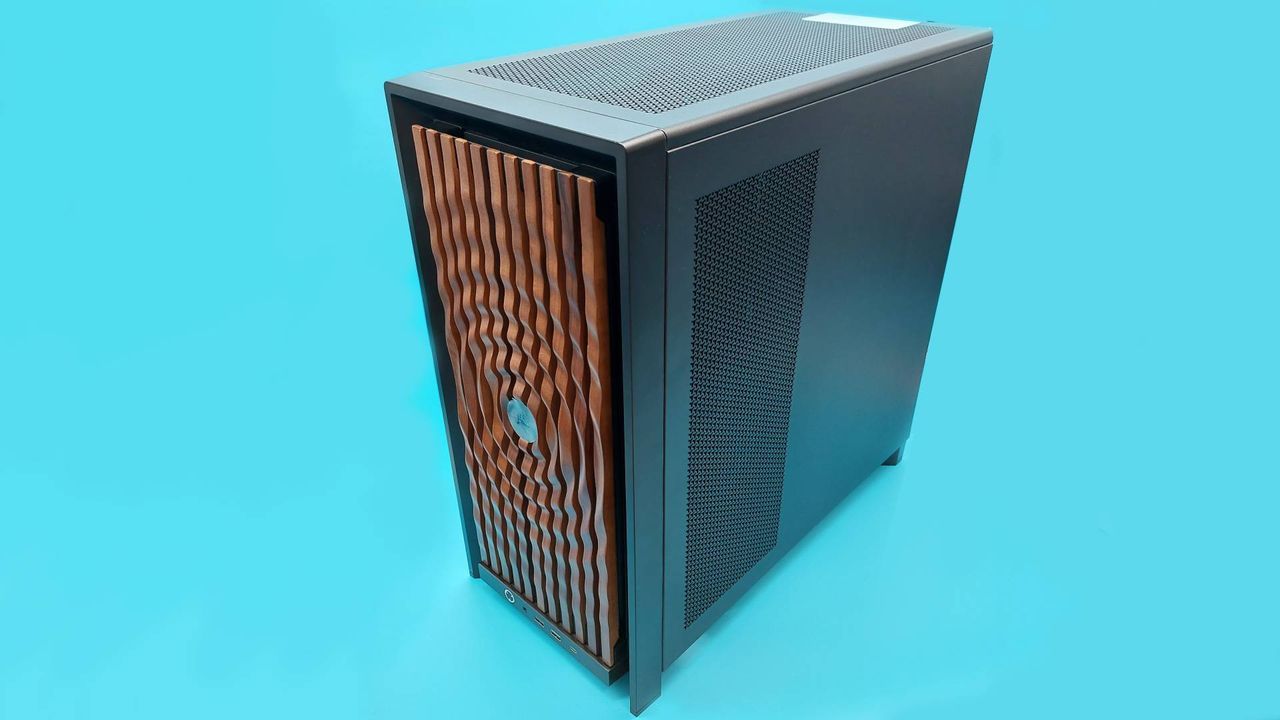
This freedom is perhaps best demonstrated when dealing with the chassis itself. Taking on a build using components like the Corsair Frame 4000X, for example, immediately throws the attention onto the aesthetics. The modular design allows builders to experiment with faceplates and side panels, transforming a mere computer housing into a statement piece. While some options, like the RGB Flow front panel, introduce extra complexity, the choice between sleek wood panelling and clean glass surfaces allows for a genuine design clash of style and function.
But the real fun often lies in the details. Customization extends far beyond the exterior. Builders can swap out modular I/O front panels, choosing between setups with audio jacks and USB-C ports, or opting for a design that maximizes connectivity. This level of control over the internal layout means that even the placement of components, like opting for a compact PSU shroud to accommodate personal décor, becomes a personal design decision.
The process, however, is not without its quirks. Navigating the often-confusing world of digital manuals can be a chore. There is something far more satisfying about flipping through a physical booklet, where you can easily revisit details without scrolling endlessly, than relying solely on a screen. This is a small frustration that underscores the value of physical documentation in the DIY landscape.
Even with the freedom of modular design comes the challenge of execution. While faceplates are easily swappable, securing the top and side panels usually requires thumb screws, striking a balance between security and easy access. Furthermore, while the case supports various form factors and motherboards, managing internal airflow and mounting options still requires careful planning. The Infinirail system, for instance, provides flexibility for custom cooling setups, accommodating radiators in multiple positions.
Ultimately, the experience is about balancing ambition with reality. Whether you are aiming for a stunning, full-glass aesthetic or a more minimalist steel look, the key is understanding what you want to achieve. The potential for customization is immense, allowing a single frame to evolve into a perfect reflection of the builder’s vision.
The ecosystem surrounding these customizable cases offers flexibility, allowing enthusiasts to choose between modular options like the 4000D, which provides a different base for customization, or to configure a bespoke look entirely. While the initial cost might seem high, the ability to iterate and perfect a design, choosing the perfect combination of features and aesthetics, is what makes the entire journey worthwhile.
The freedom to design, customize, and bring a unique vision to life is what truly makes building a PC an adventure.
Buy on Amazon
Credit
