CPU sales cliff AMD Intel vs Ryzen falls slower
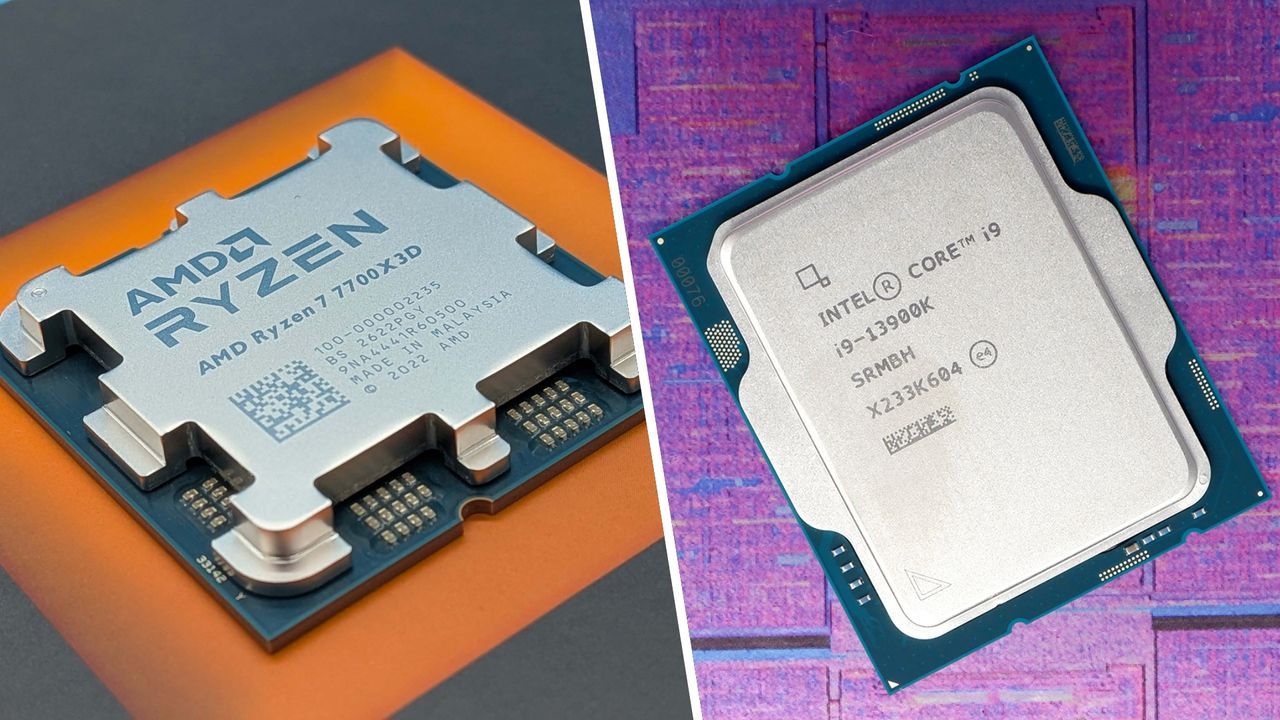
For PC builders and gamers, finding a great deal on a CPU often feels like searching for a needle in a haystack. While monitors and gaming PCs offer tempting bundles, the CPU remains an elusive item. This is because upgrading a system requires more than just a processor; it demands a full ecosystem, and right now, the cost of those essential components is skyrocketing.
The current market snapshot paints a complicated picture for processor sales. Market research indicates that desktop CPU shipments from major players like AMD and Intel in the second quarter were described as ugly, despite the overall CPU market continuing to expand. This suggests that even as the industry grows, the specific segment of client processors is facing headwinds.
The broader context is worth noting: while the overall CPU market was growing strongly, the performance gap between server and mobile processors (both x86 and ARM) is masking some of the turbulence in the desktop sector. These server and mobile shipments continue to show robust growth, demonstrating that the wider demand for processors remains healthy.
However, the situation for desktop CPUs is distinctly different. Shipments declined significantly, and the outlook for these client processors is decidedly gloomy. This decline wasn’t uniform, with Intel experiencing a quicker downturn than AMD. In fact, despite falling shipments, AMD managed to scoop up more market share both sequentially and over the full year, reflecting a shift in consumer preference.
This slowdown isn’t just about fewer CPUs being sold; it reflects a deeper market dynamic. Many of these shipments are bundled into pre-built OEM systems or sent to system builders. This suggests that the slowdown reflects not just fewer standalone CPU purchases, but fewer full system upgrades where builders are less interested in large, component-heavy pallets.
The core issue seems to be the overwhelming cost of the supporting components. Even if CPU prices stabilize, the reluctance to purchase memory and storage at astronomical prices—driven by the global memory shortage—effectively limits the scope of full DIY upgrades. This shortage, fueled by the AI server boom and component scarcity, is impacting nearly every industry, from PC hardware to smartphones.
Ultimately, the current landscape tells us that the pressure point isn’t just the silicon itself, but the entire supply chain. For the builder, the challenge is navigating an environment where the cost of the whole system—memory, storage, and CPU—outpaces the excitement of the upgrade.
Credit
