Cuts don’t fix it Asha solves Microsoft’s gaming crisis
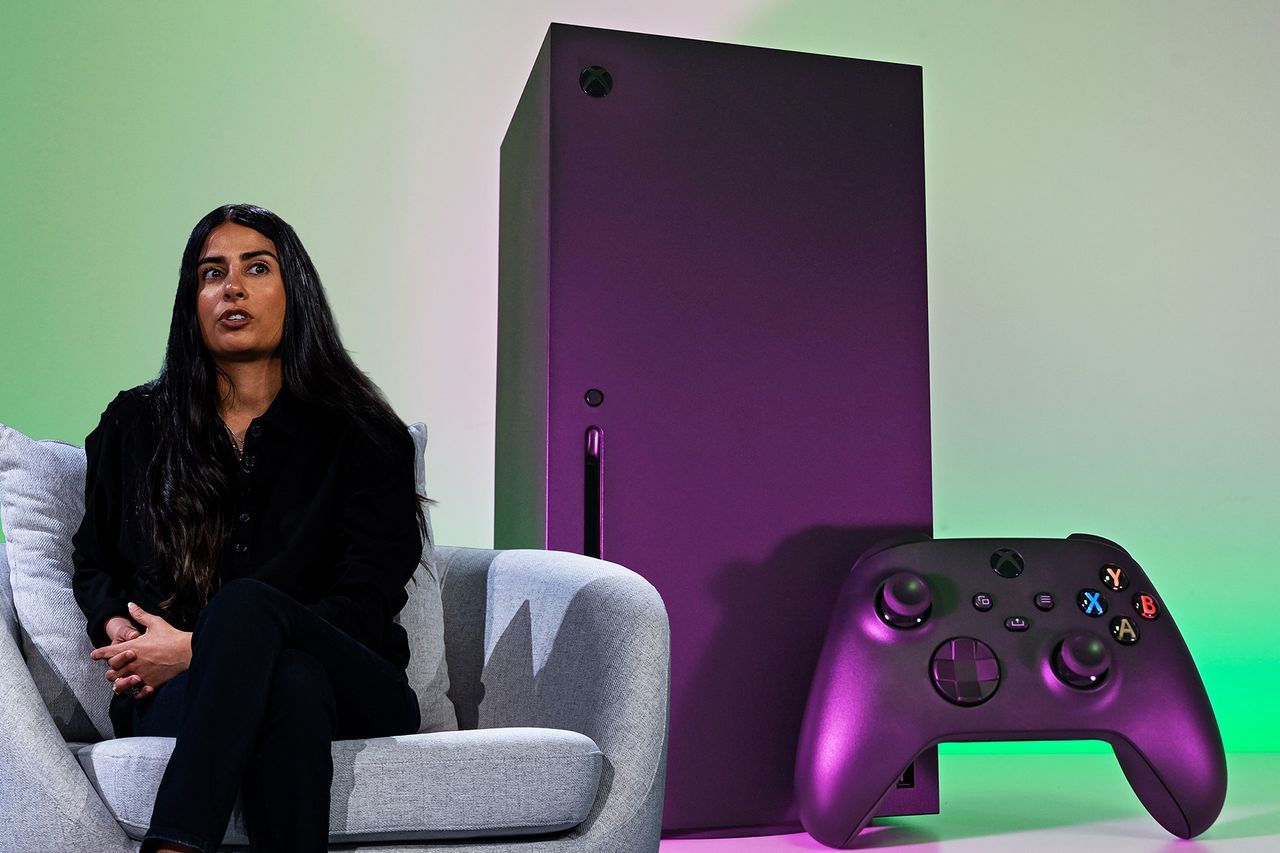
For years, the Xbox camp has been mired in a sea of pessimism. From corporate restructuring and unpopular decisions to external economic pressures like the ongoing memory crisis, the journey for Microsoft’s gaming brand has been less a smooth ascent and more a frustrating rollercoaster ride.
The enduring question remains: where does real growth come from in an attention economy that feels increasingly saturated?
The traditional gaming landscape is grappling with an uncomfortable truth. Platforms like Xbox, PlayStation, Nintendo, and Steam are essentially trading the same fixed pool of users. While revenue grows slowly, the core challenge is battling a systemic trend: the growing divergence between legacy platforms and newer demographics.
This dynamic is amplified by the relentless saturation of the attention economy. Even before social media took hold, platforms were already taxing our focus. Today, this pressure is intensified as younger cohorts increasingly gravitate toward novel forms of interaction.
The most significant cultural shift has been the rise of what can be termed Robloxification. Platforms like Roblox have amassed more monthly active users than Steam and Xbox combined, and double that of Minecraft. This trend demonstrates a powerful shift: younger gamers are opting for casual, social, and instantly gratifying experiences over traditional console gaming.
This is not just a matter of preference; it reflects the nature of modern digital culture. In a society defined by hyper-infotainment and instant gratification, Roblox’s delivery model—rapidly evolving games that celebrate youth culture and memes—is perfectly engineered for the current era. It provides the social value and the irresistible vibes that older, more polished titles simply cannot match.
The reality is that traditional gaming giants have often underestimated this shift. By focusing heavily on exclusive hardware and gatekeeping franchises, platforms like Xbox and PlayStation, alongside Nintendo’s approach, have struggled to connect with these newer audiences. The slower pace of core game development means that trends can evolve and die out before they ever reach a title targeting younger players.
The crux of the challenge for Xbox is evolving from a hardware powerhouse into a culturally relevant social platform. This requires shedding the utilitarian design approach that has sometimes made the brand feel sterile, and embracing the chaotic, evolving nature of the internet itself.
To succeed in this new landscape, Xbox needs to become social media adjacent. It must lean into the digital ooze—the dynamic, rapidly changing culture of online interaction—rather than operating in isolation. This means moving beyond pixel density and focusing on cultural capital.
This strategic pivot is taking shape through internal changes and leadership. The focus now is on strengthening the core while planting seeds for a social revolution. By looking toward experiences like Minecraft and prioritizing community, Xbox is exploring ways to capture those elusive new users—the “NTX” segment—and integrate gaming more deeply into the sprawling digital world where culture is born.
Credit
