CXMT allegedly stole Samsung DRAM tech via ‘Project Hefei’
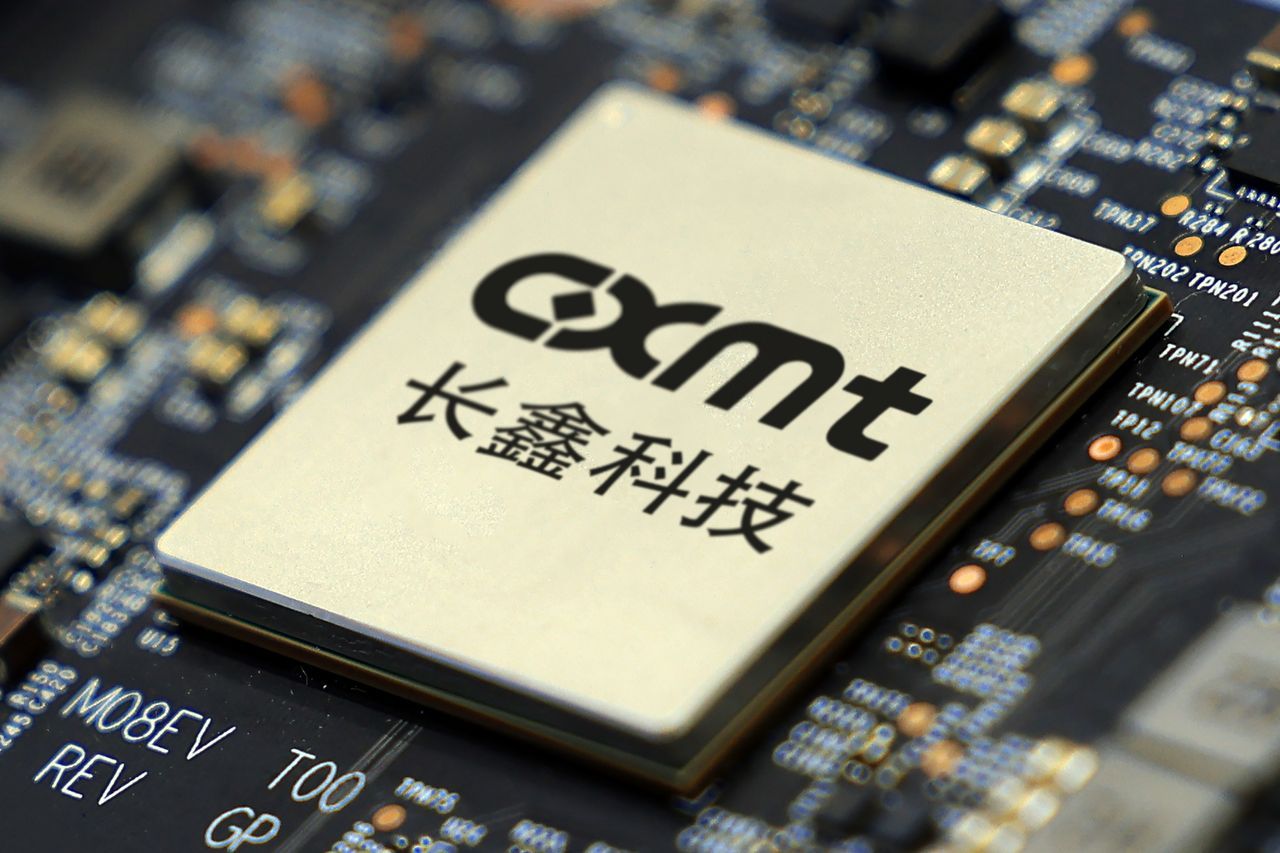
The world of semiconductor manufacturing is often a high-stakes game of intellectual property, but a recent unfolding saga involving South Korean technology giants and a Chinese memory maker reveals a narrative far more dramatic than simple corporate rivalry: a geopolitical collision fueled by alleged industrial espionage.
At the heart of this conflict is the alleged theft of critical manufacturing secrets. The legal proceedings against former Samsung employees and the Chinese DRAM firm CXMT center on the claim that confidential 10nm DRAM process data was leaked to China-based CXMT, fueling its ascent in the global memory landscape.
The alleged scheme, dubbed Project Hefei, outlined an audacious plan to acquire Samsung’s Process Recipe Plan (PRP). The goal was not just to poach key engineers but to systematically acquire the knowledge necessary to leapfrog decades of R&D. The purported roadmap suggested a timeline spanning from acquiring the PRP in September 2016 to commencing DRAM wafer production by August 2018 at a rate of ten thousand per month.
This alleged timeline paints a picture of unprecedented ambition. The leaked data reportedly included 620 steps in DRAM manufacturing, encompassing details on equipment, consumables, and proprietary production methods—information uniquely tied to Samsung’s advancements.
When CXMT first attempted to manufacture 18nm chips using the knowledge gathered from ex-Samsung personnel, the results were insufficient. This prompted the alleged acquisition of the PRP, which reportedly included notations specific to Samsung’s unique process developments. As a witness, a convicted researcher testified about this process, underscoring the gravity of the leaked information.
The consequences of this alleged machination extended far beyond a simple corporate dispute. While the legal battles played out in South Korean courts starting in 2024, the economic impact reshaped the global memory market. In less than a decade, the original DRAM giants—Samsung, Micron, and SK hynix—dominated the market. However, the growth trajectory of CXMT, fueled by these alleged secrets, led to explosive expansion.
Driven by massive demand from the burgeoning AI data center sector, CXMT’s market share surged, moving from an estimated 4% in 2025 to approximately 10% in 2016. This explosive growth was reflected in staggering financial success: revenue grew by 716% in 2026, and the firm’s IPO on the Shanghai STAR Market generated $8.6 billion USD.
To capitalize on this momentum, CXMT rapidly expanded its manufacturing footprint, establishing three fabrication facilities and planning a second major plant in Beijing. The firm is now pushing the boundaries of memory technology, reportedly developing HBM3E samples for major clients, even as established leaders focus on HBM4.
The scale of the alleged theft is reflected in the financial fallout. The damages assessed against Samsung by the prosecution have reached “at least tens of trillions of won,” suggesting an astronomical cost beyond the immediate theft. If these allegations hold true, the saga transcends mere corporate espionage; it represents a geopolitical-scale economic event with profound ramifications for the future of technology and global supply chains.
Credit