
CXMT steals memory market share from Samsung and Micron
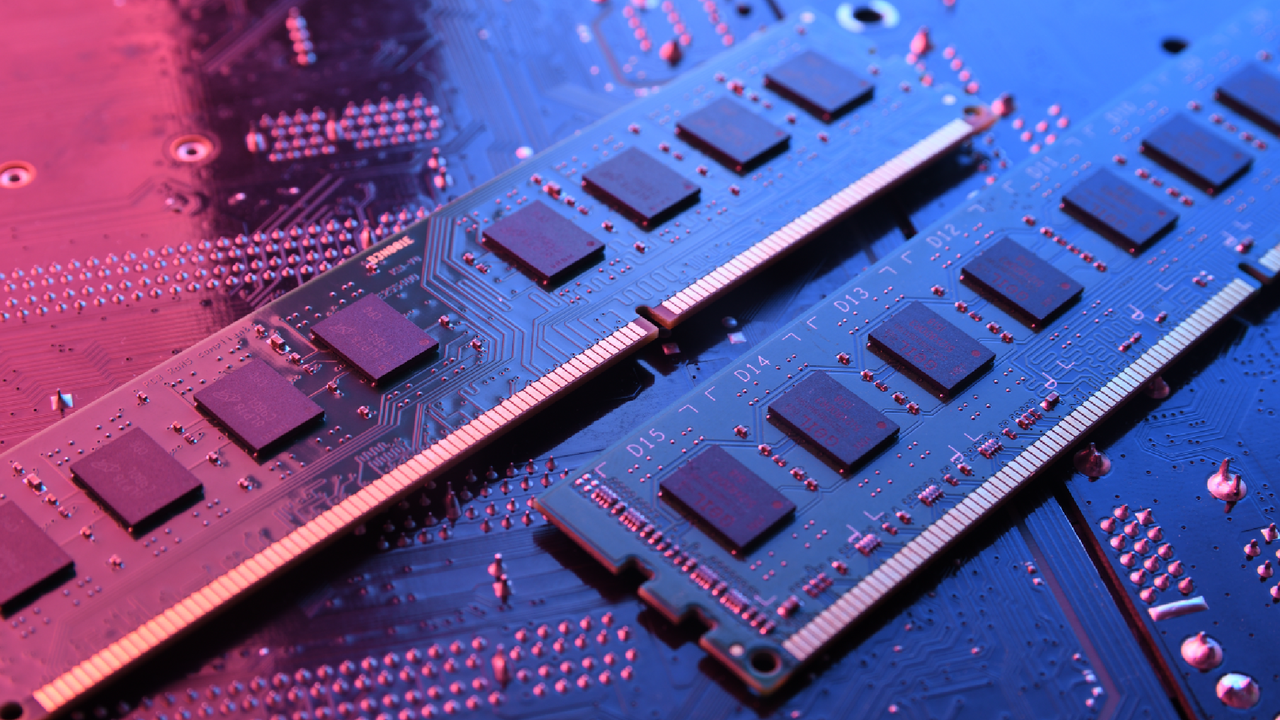
The modern obsession with PC gaming hardware often involves a deep, underlying tension: the relentless and crippling memory crisis. While we chase higher frame rates and more immersive worlds, the real bottleneck is the cost and supply of RAM and storage. It’s an all-encompassing problem for the entire industry, prompting intense competition among chipmakers and a surprising shift in global manufacturing power.
The established memory giants—Samsung, SK hynix, and Micron—currently dominate the landscape. Their combined market share is staggering: Samsung holds 39%, SK hynix commands 26%, and Micron accounts for 25%. Together, these three companies, along with another player, control a massive 97% of the global memory revenue. This dominance, however, has not insulated them from growing pressure.
Enter CXMT, a Chinese competitor who is rapidly carving out a significant foothold in this fiercely contested space. CXMT‘s ascent isn’t just about technology; it’s a reflection of shifting geopolitical and industrial demands. Component manufacturers began validating their products for Chinese memory, seeking collaboration with CXMT, signaling a strategic pivot that is reshaping the supply chain.
The momentum behind CXMT was undeniable. Just last week, the company completed an
public offering of $8.6 billion, which resulted in its shares surging by 466%. This massive valuation positions CXMT as one of China’s most valuable listed companies, right below Tencent, demonstrating how rapidly market forces respond to emerging opportunities.
This rising tide is being reflected in tangible product flows. Reports indicate that CXMT memory is already landing in major laptop brands like HP, Asus, and Acer, although not yet in the US market. This suggests that CXMT is successfully plugging a critical market hole created by surging demand for AI-driven computing, where memory consumption is skyrocketing.
While CXMT provides much-needed relief to the crunch, the long-term supply concerns remain potent. Industry leaders are cautioning about future capacity. Samsung has warned of a severe memory supply crisis next year, and SK hynix predicts that customer demand will continue to outstrip supply capacity even beyond 2030.
To meet this colossal need, CXMT is ramping up its production capacity with aggressive plans for new chip plants across China, including facilities in Beijing, Shanghai, and Hefei. By aiming to double capacity to 600,000 wafers each month at these new sites, CXMT appears determined to ensure that the current memory demands, driven by AI and gaming, are met.
Ultimately, the memory crisis is a fascinating story of shifting global manufacturing power. As more competitors enter the arena, it’s clear that while the established oligopolists face legal challenges regarding market behavior, new players like CXMT are effectively reshaping the future of hardware supply and demand.
Buy on Amazon
Credit