Data centers forecast to use 194 gigawatts of US power by 2035
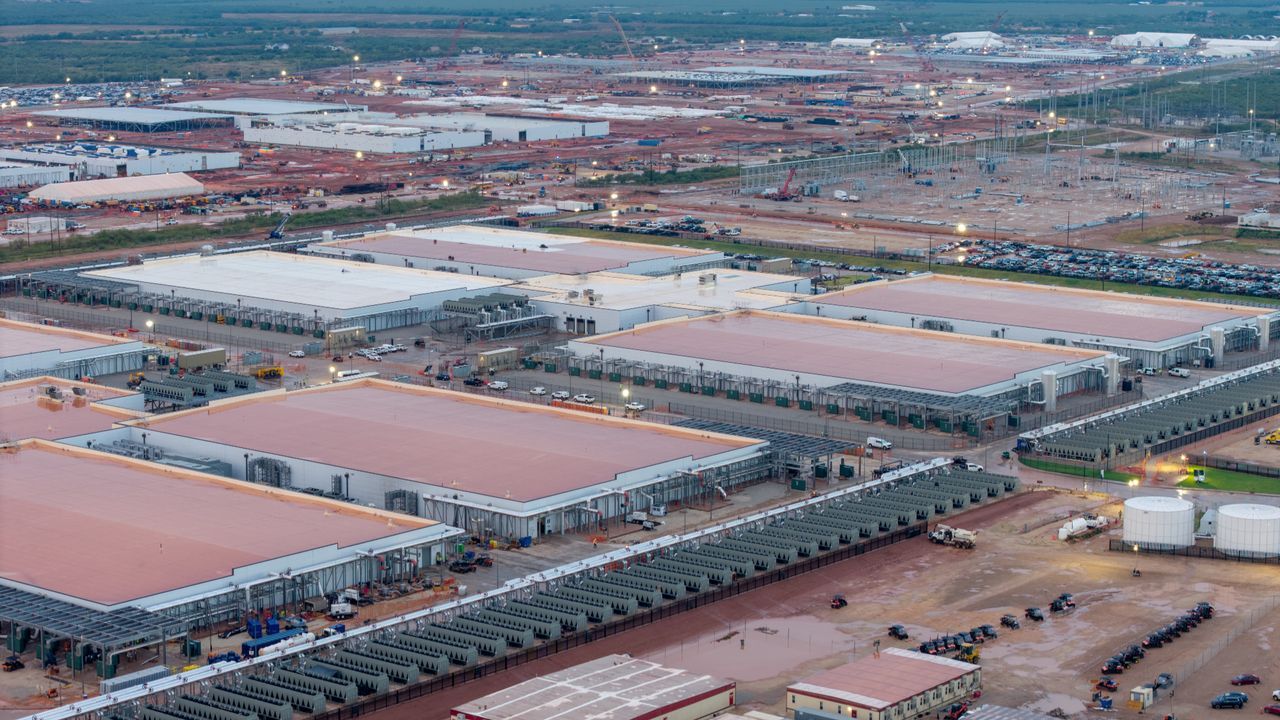
The digital revolution isn’t just reshaping our screens; it is fundamentally rewriting the rules of global energy consumption. At the heart of this transformation are the colossal data centers, the tireless engines driving the artificial intelligence boom. As these facilities scale up to feed the thirst of AI and big data, they are poised to consume a staggering portion of the nation’s power supply, creating an unprecedented squeeze on infrastructure and grid stability.
Looking ahead, the numbers paint a picture of immense demand. Experts project that U.S. data centers are set to consume approximately 20% of the nation’s electricity by 2035, a dramatic jump from today’s level. This future demand is fueled by massive AI training and inference workloads; nearly half of the planned buildouts are expected to be dedicated to these high-intensity computational tasks.
The pace of growth is dizzying. Forecasts indicate that data centers will account for roughly 12% of U.S. electricity consumption in 2030, surging toward a full 20% by the mid-2030s. This rapid escalation places enormous stress on existing power infrastructure. Even when accounting for record-pace grid connections, analysts warn that there remains a significant supply gap—a projected deficit of nearly 19 gigawatts needed to sustain the demand.
The stakes are rising dramatically in key regions. Areas like Virginia and Texas are already operating above the national average in terms of power draw, reflecting the concentrated nature of this digital growth. Furthermore, the concentration of this demand is visibly straining regional grids. For instance, PJM Interconnection, which covers Northern Virginia’s data center corridor, expects to dedicate 34% of its electricity to these facilities by 2035. This massive influx has already led grid operators to attribute a significant portion of regional power cost increases directly to the relentless demand from data centers.
The energy demands are not just straining the infrastructure; they are causing serious bottlenecks in the physical construction process itself. Half of planned U.S. data center builds this year are projected to be delayed or canceled. This pause is largely due to critical shortages of power infrastructure and specialized parts, particularly high-power transformers, which now face lead times stretching as long as five years.
This tension between cutting-edge technology and foundational energy systems highlights a crucial challenge: how quickly can the physical world adapt to the demands of the digital future? As the race for AI dominance continues, the focus is shifting toward new energy methods and innovative cooling techniques, seeking to manage thermal density while ensuring that the power grid can handle the next great leap in human ingenuity.
Buy on Amazon
Credit