DDR5 bots outnumber shoppers 10 to 1 scraping listings fast
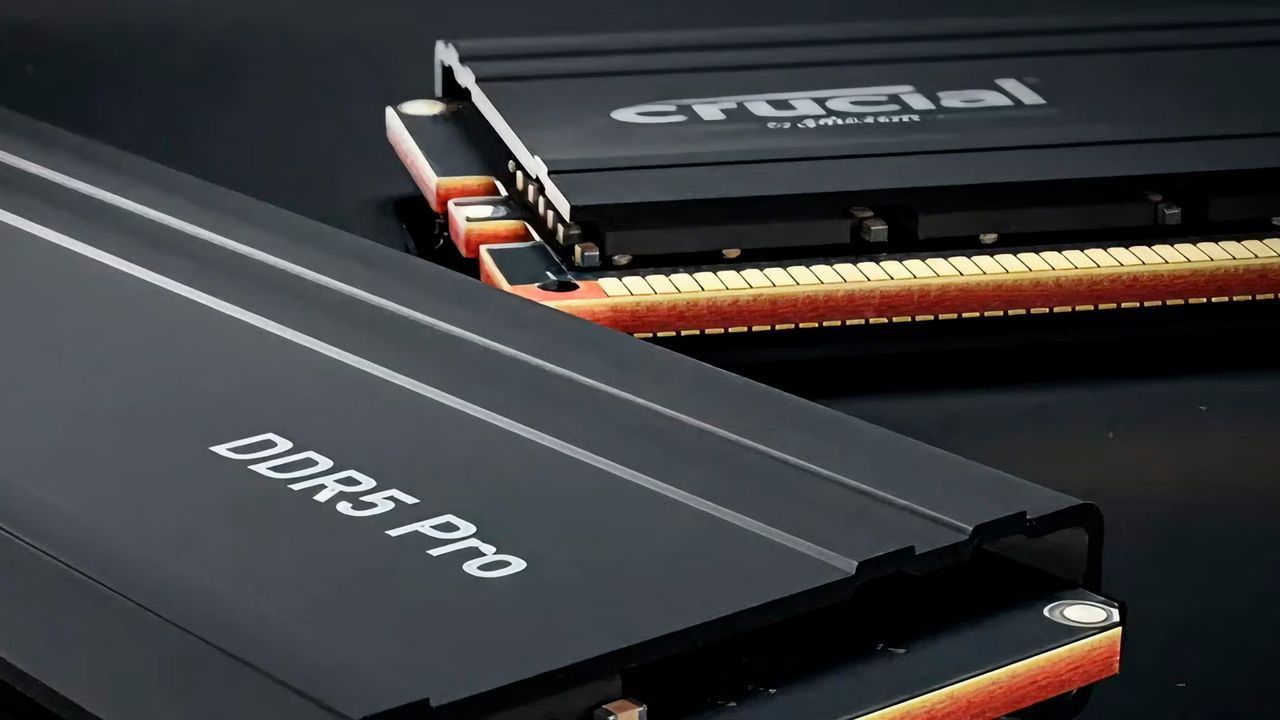
In the high-stakes world of memory chips, where supply chain bottlenecks meet automated digital pressure, a secret battle is raging. It turns out that the traffic hitting retailers selling cutting-edge DDR5 memory is often far from organic, demonstrating that the pursuit of fast components is increasingly dominated by bots and aggressive market manipulation.
New research paints a stark picture: bad bots account for an astonishing 91% of the traffic reaching certain DDR5 memory product pages, equating to roughly ten automated requests for every legitimate visitor. This figure highlights the intense digital surveillance placed on high-demand components, a problem that researchers suggest retailers’ standard traffic analytics are significantly understating.
The sheer volume of automated activity is staggering. One operation documented by bot mitigation firm DataDome involved generating more than 10 million blocked requests against DDR5 listings in a single hour. A single one-hour sample revealed 91 listings were polled approximately 551 times, with requests hitting the pages every 6.5 seconds.
These automated requests were not random; they were highly targeted. The bots acted like digital hunters, using cache-busting parameters to bypass cached stock data and aggressively target industrial module makers like Micron and Apacer, along with suppliers of essential components such as Amphenol and TE Connectivity, in addition to consumer brands.
Meanwhile, the physical reality of the supply chain is equally chaotic. As demand for AI-driven hardware skyrockets, the market has seen prices spiral. The cheapest 128GB DDR5-6400 kit, for example, reached $3,399—ten times its previously recorded low price.
This price volatility is compounded by persistent shortages. While the market is grappling with scarcity, the flow of physical components remains constrained. Experts warn that DRAM supply to independent module makers could potentially drop by more than 70% by 2027, even as hyperscale buyers secure massive deposits against future output.
The digital and physical crises converge in the market for memory. Retailers are fighting an unseen war against automated traffic while trying to manage physical scarcity, which has fueled extreme resale pricing. For consumer-facing goods, the trend shows a dramatic jump: a 32GB DDR5-6000 kit that cost $72 last year now averages $392.
The digital scrutiny is now forcing a reckoning in physical distribution. Companies like Framework have opted to stop selling standalone RAM, attempting to curb scalping, while others, like Micro Center, are implementing strict in-store limits. The battle to manage scarcity is evolving, forcing a re-evaluation of how technology and commerce intersect in the race for the next generation of computing power.
Buy on Amazon
Credit
