Deco 7 Pro Wi-Fi 7 Review: Value vs Average Performance
The world of home networking is constantly evolving, and with the arrival of Wi-Fi 7, expectations for speed and coverage are soaring. TP-Link’s Deco line of mesh routers has entered this high-speed arena with its Deco 7 Pro BE13000, positioning itself as a comprehensive whole-home solution. But is this system just another entry in the crowded mesh race, or does it deliver a truly next-generation experience?
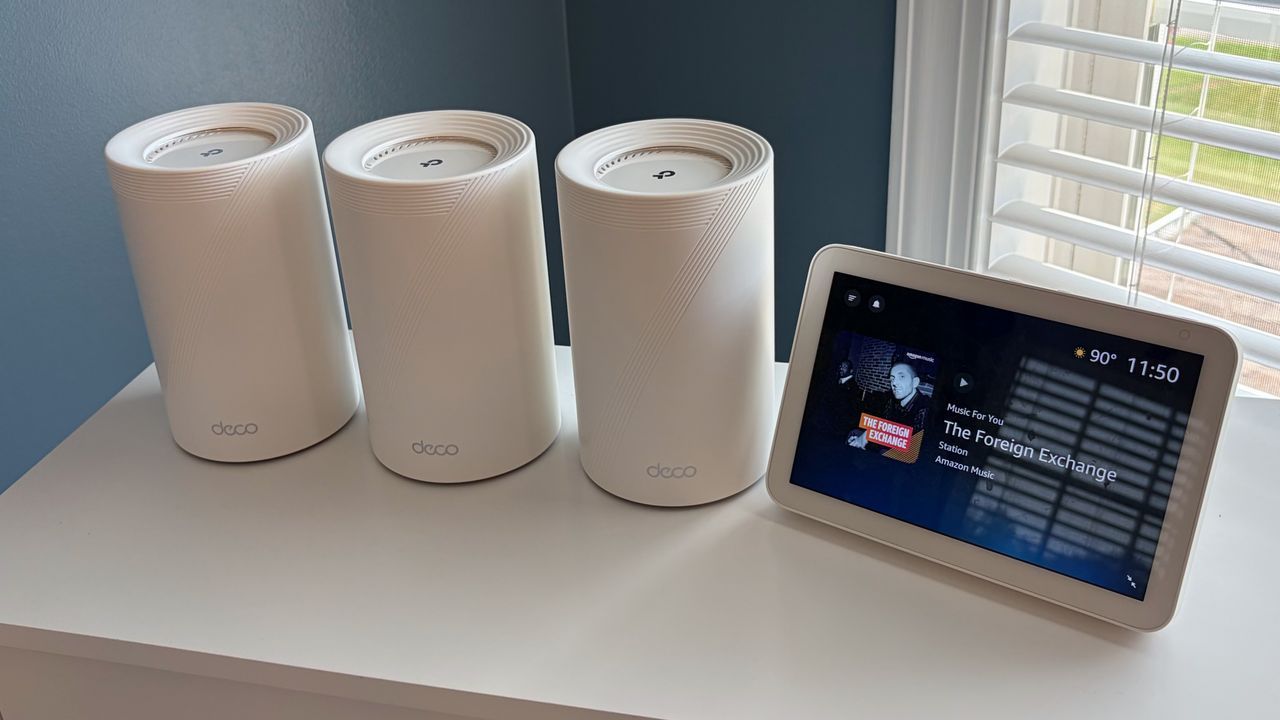
The Deco 7 Pro BE13000 isn’t just about speed; it’s about seamless integration. Available as a cost-effective three-pack through retailers like Costco, it promises blistering performance and coverage for up to 8,100 square feet. A quick look at the design reveals a sleek aesthetic: white, cylindrical satellites featuring a stylized “7”, giving off a modern, minimalist vibe. The setup process is equally streamlined, managed entirely through the intuitive Deco smartphone app, turning what could be a frustrating installation into a breeze.
When it comes to the nuts and bolts of connectivity, the router’s physical configuration tells a slightly peculiar story. While the setup is simple, the port layout is where some users might raise an eyebrow. Unlike competitors that offer a generous spread of high-speed ports, the Deco 7 Pro BE13000 provides a mix of speeds—one 1 GbE, one 2.5 GbE, and one 5 GbE WAN/LAN port. For those seeking maximum bandwidth flexibility, the configuration feels a bit restrictive, suggesting that the focus might have been less on raw port quantity and more on a balanced whole-home setup.
Moving beyond the physical design, the true test comes during performance benchmarks. When pitted against rivals like the MSI Roamii BE Pro and the Deco BE63, the Deco 7 Pro BE13000 showed its true strengths on the cutting edge. On the 6 GHz band, the router proved itself a top performer, easily outshining its more affordable siblings in both uncongested and demanding scenarios. This was the band where the Wi-Fi 7 technology really shone, delivering phenomenal speeds that put it firmly ahead in the high-frequency realm.
However, performance doesn’t always mean dominance across the board. While the 6 GHz band was stellar, the router encountered some resistance on the 5 GHz and 2.4 GHz bands. In congested traffic tests, the Deco struggled slightly to maintain the lead against competitors, suggesting that while the theoretical speed is there, real-world traffic management still leaves room for improvement. The system is undeniably powerful, but achieving peak speed across all frequencies still requires finesse.
Finally, the experience extends into the ecosystem of features. TP-Link offers robust tools, including parental controls and advanced security options. Yet, accessing the most powerful features—such as Web Protection, Intrusion Protection, and Antivirus—requires venturing into paid subscription tiers, costing around $129.99 annually for the total package. This brings up a crucial point for value-conscious buyers: while the hardware is competitive, the necessary security and advanced features come at an added price, especially when compared to other solutions that bundle these features more freely.
Ultimately, the Deco 7 Pro BE13000 is a solid contender in the Wi-Fi 7 mesh market. It offers outstanding coverage and a top-tier experience on the fastest band, making it a compelling choice for many homes. While the port configuration and the necessity of paid subscriptions add some complexity, the package remains a strong value proposition for those prioritizing expansive coverage and cutting-edge wireless technology.
Buy on Amazon
Credit