Detective game gets overwhelmingly positive start on Steam in 2 days
In a landscape filled with sprawling RPGs and high-concept action titles, sometimes the most compelling experiences are found in the quiet, intricate world of detective puzzles. If you were keeping track of games released in early 2025, you might have noticed a fascinating wave of visual mysteries, spearheaded by titles like The Roottrees are Dead.
These games captivated players by placing them directly into the role of sleuths, requiring careful deduction to uncover hidden truths about sprawling families and complex situations. But the real magic behind this genre isn’t just the premise; it’s the innovative way developers use simple interfaces to deliver gripping storytelling.
The success of these mystery games is built on a surprising foundation: simplicity. Both The Roottrees are Dead and its ambitious follow-up, The Incident at Galley House, originated as visually simple browser games released on Itch.io. This humble beginning proved that some of the most profound mysteries can be born from minimalist design.
This journey from browser concept to polished interactive experience is a testament to brilliant collaboration. The original work involved a fascinating partnership between designer Jeremy Johnston and developer Evil Trout. Johnston focused on the intricate design and narrative content, while Trout handled the complex coding and building.
When it was time to reimagine the concept, the team didn’t just remake the game; they evolved it. The collaboration led to a spectacular follow-up, The Incident at Galley House, which has already garnered immense praise on Steam. With over 600 positive reviews and a staggering 97% thumbs up rating, the community is clearly thrilled with the result.
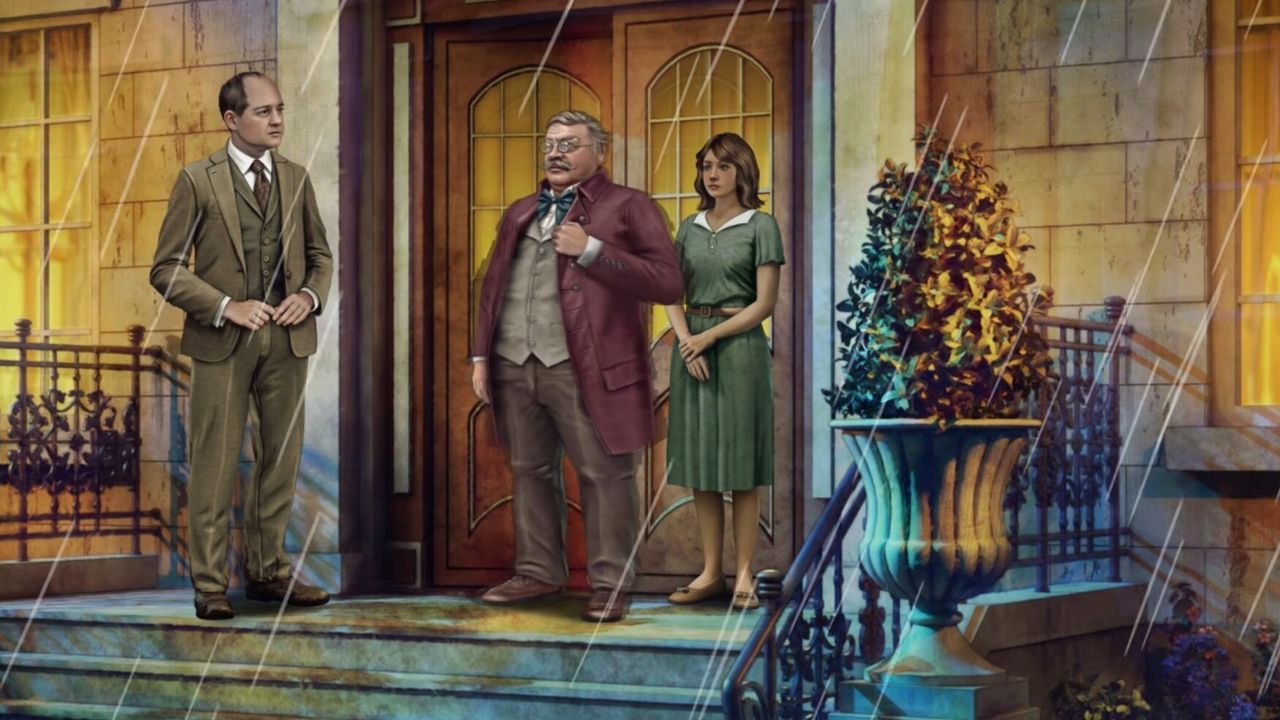
The evolution of the experience truly shines in the transformation of the gameplay itself. What started as pure text-based deduction has blossomed into a rich visual narrative. The remake features 2D illustrations, a mysterious 3D interface for navigating memories, and added voice acting, turning a simple mystery into an immersive detective yarn.
This trajectory shows how powerful seemingly small ideas can be when given the right creative freedom. It is inspiring to see how creators take foundational concepts—like those praised in games such as Return of the Obra Dinn—and inject their own unique vision, resulting in experiences that feel both timeless and brand new.
Credit