
Division launch sparks debate: ‘Calling it slop disrespects actual slop’
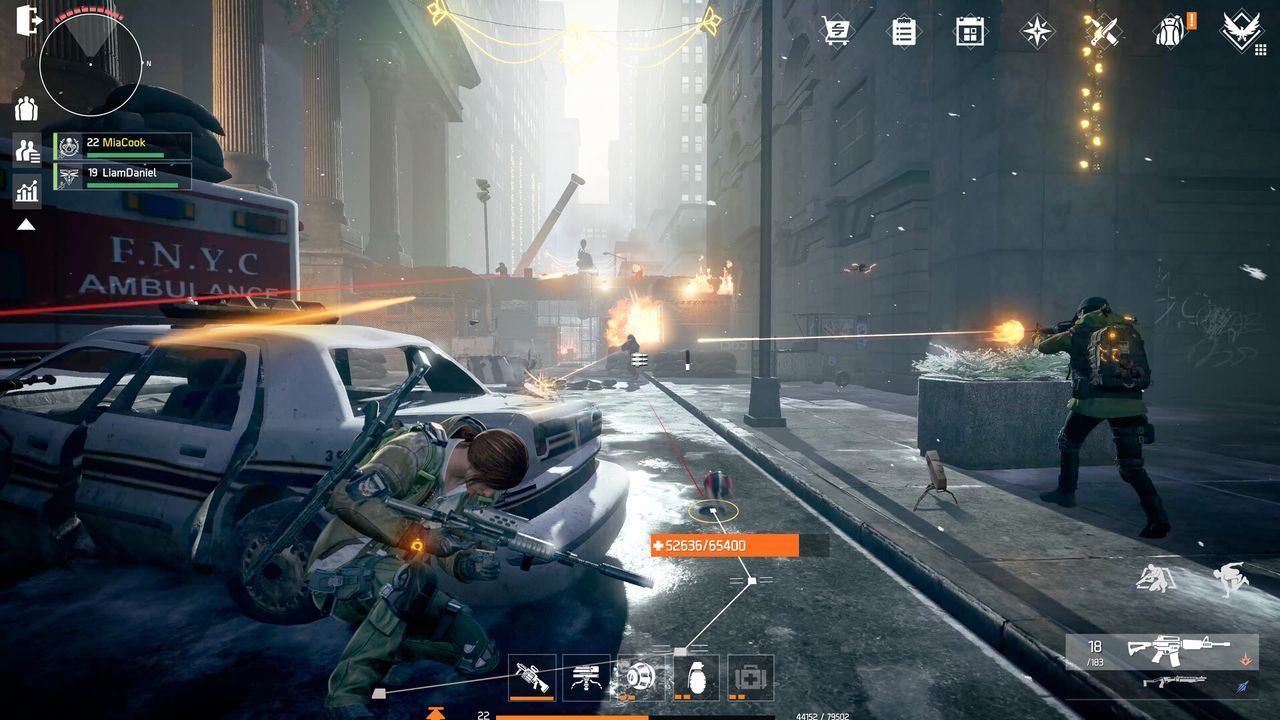
The world of looter-shooters has seen its share of spectacular launches, but not every new title manages to deliver a smooth ride. Tom Clancy’s Division”>Resurgence arrived on PC via Steam, following its debut on mobile and subsequent release through Ubisoft Connect, and while it introduced familiar concepts, the reception has been decidedly mixed.
The game’s performance rating reflects this uncertainty, with only 46% of reviews leaning positive. Many players, however, have found themselves grappling not just with the narrative, but with deeply frustrating mechanics that seem designed more for monetization than genuine enjoyment.
From the moment players dive into the world of the Strategic Homeland Division, they encounter hurdles that turn the pursuit of loot into a tedious exercise in micro-management. Reports cite persistent login issues and noticeable mouse bugs, which immediately set a tone of aggravation before players even get to the core gameplay.
The real source of frustration, however, lies deeper within the game’s design philosophy. Critics point out that the looter-shooter formula in Division”>Resurgence feels heavily skewed toward engaging with its systems rather than playing the game itself. The reward structure is often perceived as underwhelming, locked behind tedious daily completion goals and aggressive microtransactions.
One particularly pointed critique suggests a troubling design choice: that of a game focused more on daily log-in simulations than actual action. Reviewers argued that the XP and rewards system scales down heavily, leading some to feel like they are engaging in a sort of digital grind rather than an exciting adventure.
The user experience is another major sticking point. Some players found the UI and menu design needlessly convoluted, demanding excessive focus on managing game mechanics instead of enjoying the action. This complex interface was described by some as overly distracting, suggesting that players spend more time micro-managing systems than engaging in missions.
Despite these structural issues, the core premise remains compelling: players take on the role of a member of the Strategic Homeland Division, fighting to restore order after the devastating Division”>Green Flu epidemic has plunged the USA into chaos. Navigating dynamic locations like Liberty Island and the New York Stock Exchange offers tactical encounters with loot and objectives.
Ultimately, while Division”>Resurgence establishes a recognizable setting for those familiar with the mainline Division series, its current iteration grapples with balancing expectations. For many, the game feels less like an adrenaline-fueled shooter and more like a convoluted system that prioritizes engagement with its own monetization structures over pure, satisfying gameplay.
Buy on Amazon
Credit

