DLSS 5 escaped the wild and visuals went weird
The world of graphics cards and artificial intelligence is constantly evolving, but sometimes, the experiments don’t stay in the lab. A version of Nvidia’s highly anticipated DLSS 5 technology has recently surfaced, having escaped containment before its official release, and it is already being jammed into games—often with mixed results.
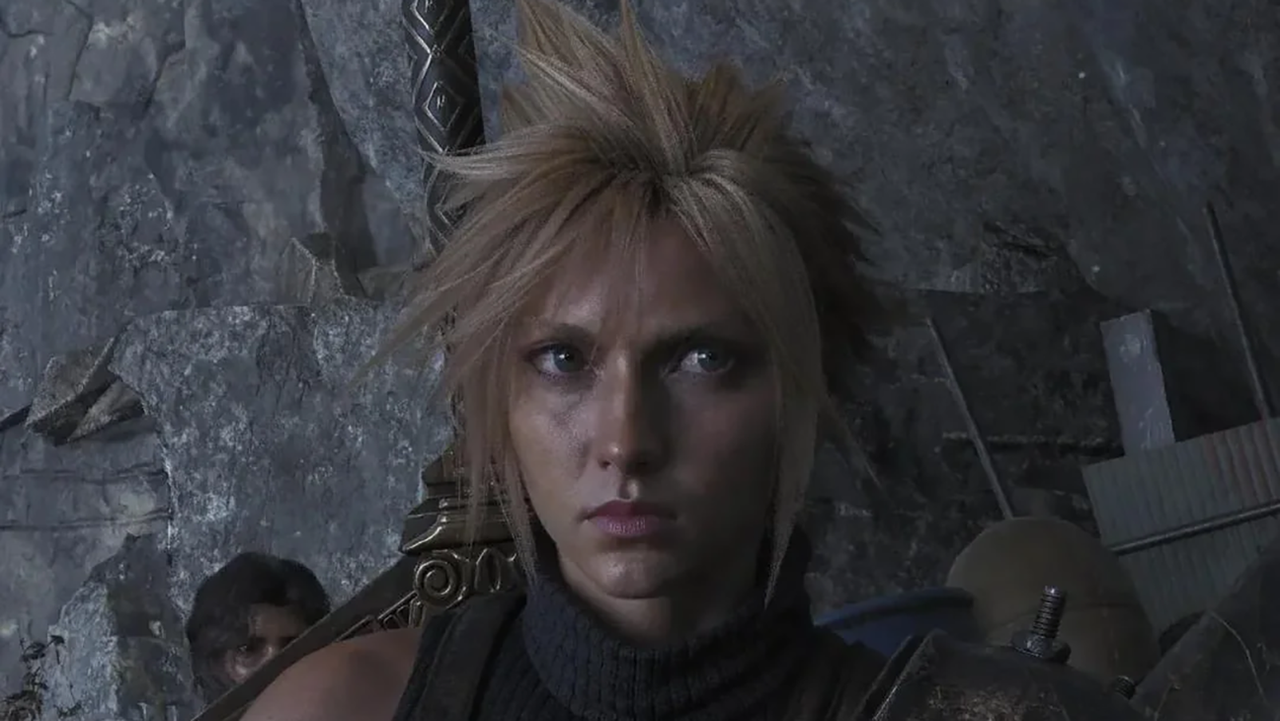
This wasn’t just a technical leak; it became a visual punchline. One example, dubbed “Claude Strife,” demonstrates the capabilities of DLSS 5 at extreme settings. Unlike its predecessors, which focused on intelligently upscaling low-resolution graphics without altering the source material, DLSS 5 ventures into the realm of AI image generation. It attempts to improve the artwork by injecting photorealistic elements, pushing the boundaries of what the engine can achieve.
The core difference lies in the execution. Where standard upscaling handles resolution, DLSS 5 seems to be actively reinterpreting the scene. It leans into the concept of photorealism, effectively using AI to modify the visual details in real-time. The result is polarizing: for some, it’s a revolutionary leap; for others, it’s delightfully bizarre.
The aesthetic effects are far from uniform. Some examples show characters undergoing dramatic transformations, such as a character shifting from a student to a seasoned professional. While this is visually engaging, there’s a fine line between enhancement and alteration. The implementation can intensify skin textures, exaggerate facial separation, and dial up the dourness of expressions, creating a distinct, often unnerving, AI-generated look.
Yet, the technology isn’t a one-sided spectacle. When settings are carefully tweaked, the results can be genuinely stunning. For instance, in testing with games like Starfield, observers have managed to use the AI capabilities to refine flat, untextured skin into something that feels much more human and volumetric. These adjustments demonstrate the power of the AI to add necessary depth and realism where it was previously missing.
The community’s reaction to these experimental visuals is, predictably, split. While some users are absolutely delighted by the enhanced results, others are aghast at the intrusion of artificial realism. There is a clear divide between those who embrace the AI-driven aesthetic and those who view it as merely “AI slop.”
Ultimately, the emergence of DLSS 5 forces us to confront a fascinating question: as AI becomes seamlessly integrated into graphics, where do we draw the line between technological enhancement and artistic manipulation? The experiment is underway, and the conversation about the future of digital realism has just begun.
Buy on Amazon
Credit