DLSS 5: Lower FPS for stunning AI image enhancement
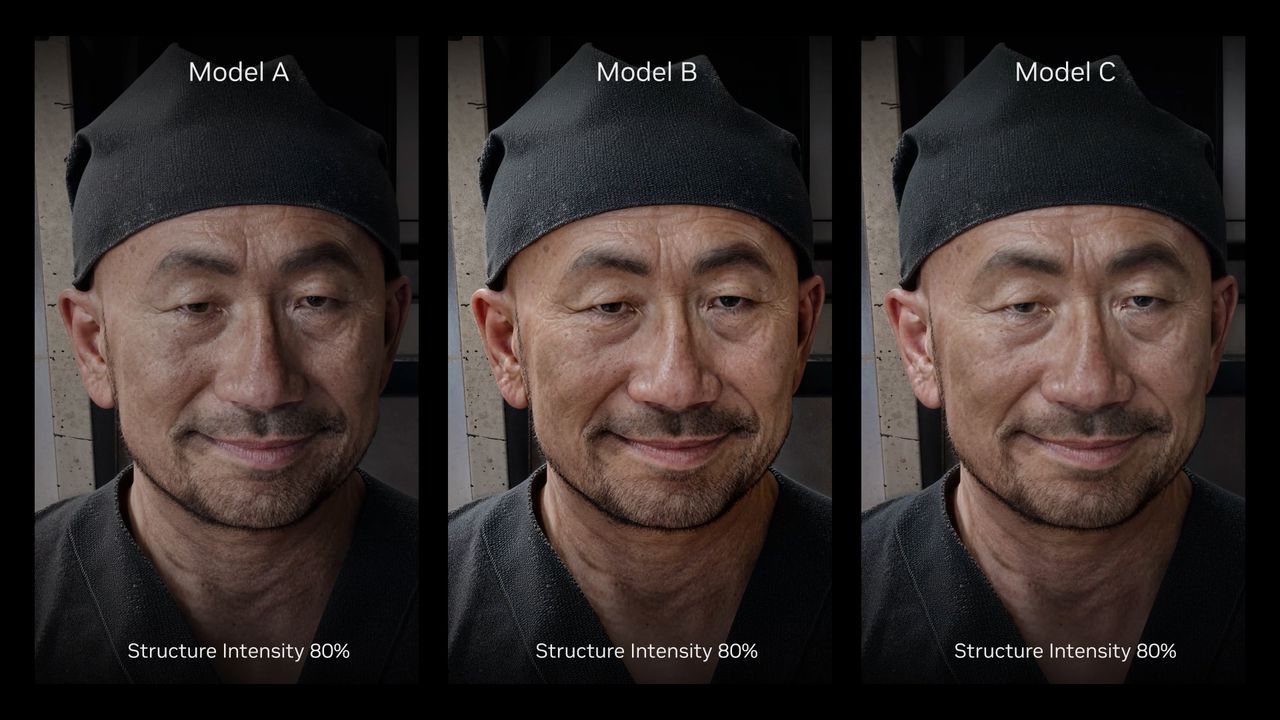
When Nvidia unveiled its latest demonstration of DLSS 5, the immediate reaction was a mix of awe and deep skepticism. We were invited into a virtual room to witness the future of AI-enhanced graphics, yet the experience felt simultaneously beautiful, ugly, impressive, and deeply troubling.
The core promise of DLSS 5 is undeniably revolutionary—it offers stunning visual quality, blurring the line between reality and the digital world. But the reality of bringing this technology into the mainstream PC gaming experience comes with a hefty price tag, particularly when performance is the ultimate currency in high-end gaming.
Nvidia was clear about the trade-off: while the image quality has leaped forward, enabling DLSS 5 currently reduces performance by a significant 50 to 60 percent across the board, regardless of the game you are playing.
This performance hit is not just an abstract number; it directly impacts the gameplay experience. For instance, while the technology allows for incredible frame rates, the underlying game performance can still lag, presenting a serious dilemma for gamers who invest thousands in top-tier hardware.
Take the numbers: on a RTX 5060 running a demanding title like NBA 2K27 at 1080p Ultra settings with ray tracing and DLSS 5 enabled, performance metrics can show a remarkable 258 fps. However, the actual game itself is still running at only around 43 fps. The frame rate boost is exciting, but the performance reduction dictates that you are sacrificing raw fluidity for enhanced visuals.
At 4K resolution, the picture remains equally demanding. Even when leveraging Performance-level upscaling and 6x Multi Frame Generation, frame rates average around 370 fps on a RTX 5090 or 233 fps on a RTX 5080. These staggering numbers highlight that DLSS 5, while visually transformative, is currently less about pure speed and more about finding a narrow path between graphical fidelity and playable performance.
This situation raises a crucial question about the acceptance of AI in gaming. If the technology is capable of slicing frame rates in half, why does the massive performance compromise remain the biggest barrier to widespread adoption? The controversy surrounding AI-altered images seems to overshadow the technical reality: the immense performance cost. It is a seriously big ask for curious gamers to accept reduced frame rates in exchange for this level of visual enhancement.
While innovations like ray tracing were once performance hogs, DLSS 5 pushes the boundaries of what we expect from upscaling technology. Ultimately, whether the leap into AI-enhanced gaming is worth the performance trade-off depends on how the industry manages the balance between visual ambition and the tangible, day-to-day experience of the player.
Credit