DLSS 5 melts RTX 5090 16-pin connector due to power surge
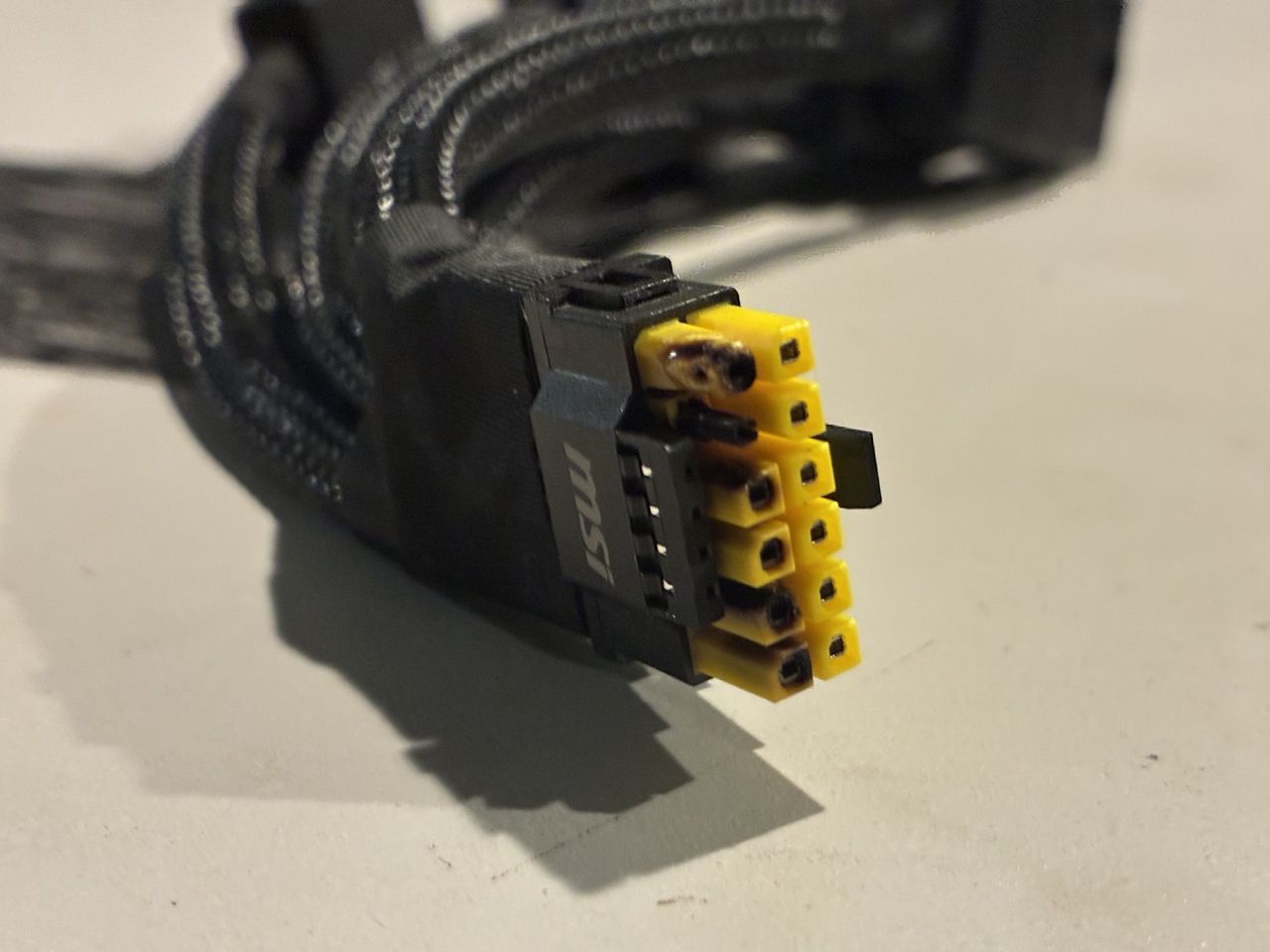
The world of high-end graphics cards is often a battlefield of performance and power, but recently, a scorching tale emerged from the enthusiast community, turning the pursuit of next-gen technology into a cautionary drama about electrical safety. The RTX 5090, a powerhouse designed to push the limits of gaming, found itself the victim of an unexpected meltdown, all stemming from the infamous 16-pin power connector.
The incident began when a user testing the card with demanding features experienced catastrophic failure. During testing of DLSS 5 within NBA 2K27, the rig reportedly experienced extreme power draw. While the 16-pin connector is engineered to handle up to 600W, the card’s performance demands caused its power consumption to soar, with monitoring tools showing the GPU briefly spiking above 610W.
The consequence of this power surge was dramatic. The owner smelled burning and discovered the 16-pin connector had melted, fusing itself to the cable. The physical damage was stark: at least five pins on the connector were scorched, and the plastic housing on one pin completely melted away. This incident immediately raised alarms about the physical vulnerability of these critical power pathways.
The immediate question was: Was the new DLSS 5 feature the direct culprit? While the user’s testing suggested a significant increase in power consumption—jumping from roughly 450W while gaming to over 600W with DLSS 5 enabled—experts point to a broader concern. The physical failure of the connector often points to a loose fit between the cable and the GPU, a known vulnerability that has plagued enthusiasts when dealing with high-power components.
Further investigation into power consumption reveals that even before the physical melting, the performance boost came at a substantial cost. In a different title, Hogwarts Legacy, enabling the neural rendering technology caused a power consumption jump of 50 percent, escalating from 480W to a staggering 720W. This demonstrates that power efficiency, not just raw performance, is a critical factor in the ecosystem.
The evidence suggests that while DLSS 5 may have contributed to the overall power demands, the root issue lies in the efficiency and safety protocols surrounding power delivery. The core concern is that Nvidia needs to address these safety concerns regarding poor efficiency before pushing major features like DLSS 5 onto the RTX 40-series.
Ultimately, this event serves as a stark reminder that technological advancement must be paired with uncompromising safety standards. As high-end GPUs continue to evolve, ensuring that the power systems remain robust and protected is just as important as chasing frame rates.
Buy on Amazon
Credit