DLSS 5 performance test: Power limits on the RTX 5090
The Wild West of DLSS 5: Diving into the Performance and Power of the Next Generation
The world of PC gaming is currently buzzing with the chaos of cutting-edge technology. A leaked version of the DLSS 5 model, initially surfacing with titles like NBA2K27, immediately ignited a community frenzy. Within days, enthusiasts began experimenting, modding the model into nearly every game available, turning the online space into a high-stakes laboratory for testing the limits of real-time graphics technology.
As the community sought to understand the true cost of this new visual leap, the focus shifted from aesthetics to the cold, hard numbers: what is the performance cost, and what power demands does this revolutionary AI processing truly incur? Researchers dove into the performance overhead and power requirements associated with injecting DLSS 5 into demanding titles, revealing a fascinating trade-off between visual fidelity and hardware limits.
The experimentation quickly highlighted that while the visual changes are dramatic, the performance hit is substantial. Utilizing community-developed injection methods, such as the OptiScaler package, testers found that applying DLSS 5 resulted in a performance reduction ranging from 39% to 49% across various titles. This finding suggests that achieving this level of neural rendering comes with a significant computational toll.
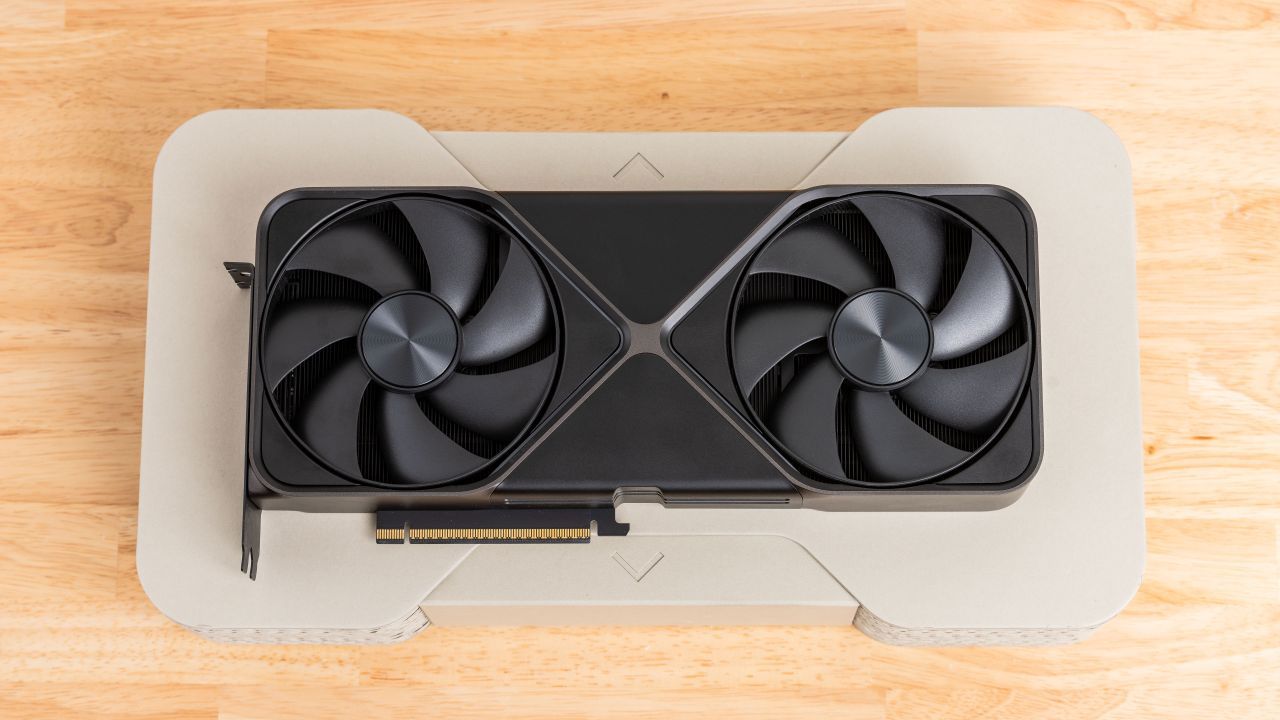
However, the results became even more nuanced when comparing different hardware setups. By examining the behavior of the RTX 5090 Founders Edition against the more powerful MSI RTX 5090 Lightning Z, observers uncovered a critical difference tied directly to power capacity. The Founders Edition, while capable, appeared to be power-limited, struggling to maintain performance when utilizing DLSS 5’s demanding features.
The high-end MSI card, with its generous 1000W power limit, demonstrated the ability to handle the load more effectively. This difference was most apparent in power consumption: the Lightning Z could happily pull significantly more power when running DLSS 5, illustrating that the increased processing demands can easily consume hundreds of watts, pushing hardware beyond its standard power envelope.
For games that feature intensive ray tracing or path tracing, the performance disparities deepened. In titles like Cyberpunk 2077 and Control, the difference in smoothness between the two GPU models was stark. The higher-powered card provided noticeably better frame rates and more stable performance, demonstrating that extra power headroom directly translates into a smoother, more responsive experience when pushing advanced rendering techniques.
Ultimately, these tests suggest that while community implementations provide a clear look at the performance cost, the final official implementations by developers will determine the ultimate outcome. While the results observed in the community align with Nvidia’s published guidance, the true potential of DLSS 5 is set to be unlocked when developers integrate it officially. It signals a new epoch for real-time graphics, demanding hardware that is both powerful and built to handle the complex demands of real-time AI processing.
Credit