DLSS 5 works on RTX 4000 series by patching CUDA
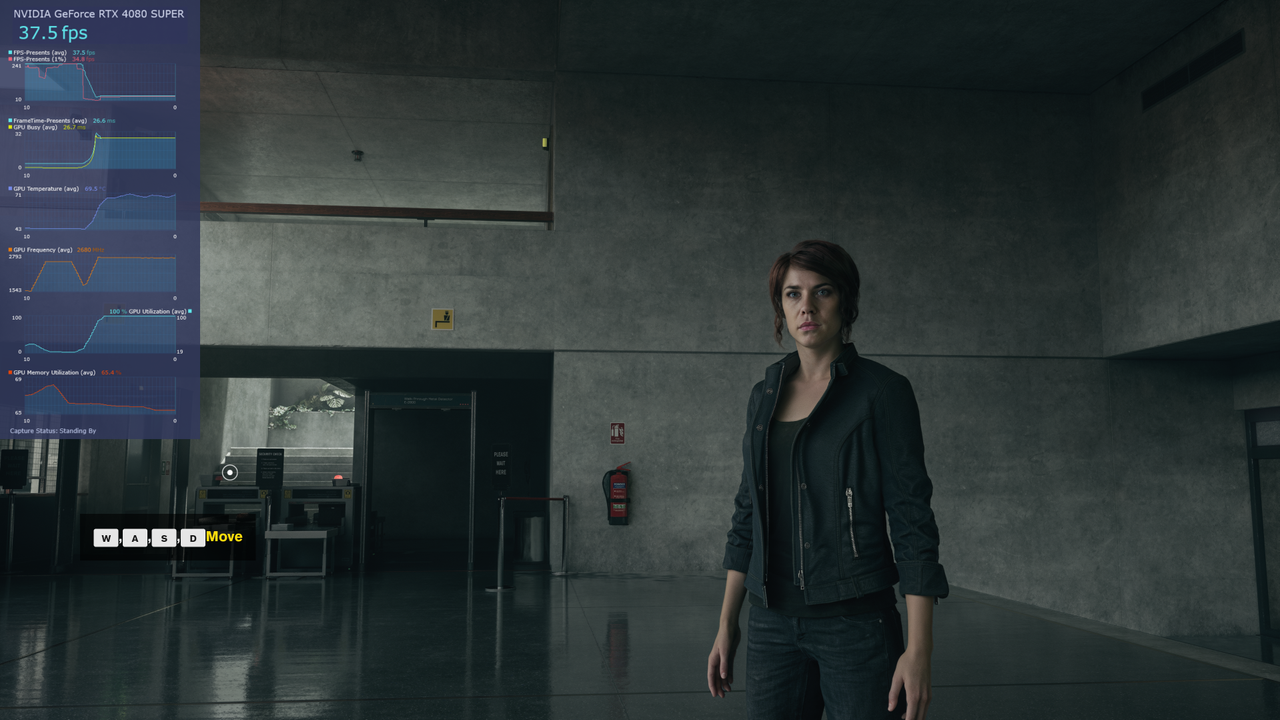
The world of PC gaming is constantly evolving, and sometimes, the most revolutionary advancements don’t come from the boardroom—they emerge from the ingenuity of the modding community. Recently, enthusiasts have managed to push the boundaries of AI upscaling technology, successfully integrating early access versions of DLSS 5 into games far beyond their original scope.
This feat wasn’t achieved by official channels but through dedicated modders who dove deep into leaked files, proving that community effort can unlock hidden potential in cutting-edge graphics technology. The breakthrough involved integrating the Neural Rendering technique into titles outside of Remedy Entertainment’s Control.
The journey began with an early access file, which provided a powerful foundation for Neural Rendering. While this technology is currently locked behind specific hardware, modders quickly sought ways to make it accessible. The central hub for this development was the RenoDX Discord server, where users leveraged tools like ReShade to activate the necessary files and make the technology function in new applications.
However, the path to widespread adoption was blocked by a technical snag. The initial version of the DLSS 5 modification was built exclusively for RTX 5000 Series Blackwell GPUs. Despite the underlying AI model operating on previous-generation hardware, the specific CUDA binaries required for execution were incompatible with older Ada Lovelace cards.
This incompatibility created a fascinating technical challenge. To bridge the gap between the bleeding-edge technology and the wider user base, intrepid modders stepped in. One notable figure, Uncle Burrito, tackled the problem head-on. Instead of waiting for official support, the modder meticulously examined the incompatible binaries and patched the DLL file, creating a workaround that allowed the system to function on older hardware.
This ingenious patch proved highly effective, successfully allowing the Neural Rendering features to run on systems utilizing Nvidia RTX 4080s. The success of this workaround demonstrates a powerful willingness within the modding community to adapt and innovate, effectively bypassing hardware limitations to experience new features.
While official support for DLSS 5 on previous-generation GPUs remains an open question, the modders’ achievements serve as a compelling indicator of what is possible. Their work suggests that Nvidia may eventually choose to roll out these powerful features across a wider range of hardware, demonstrating that the community is already pushing the limits of what the technology can achieve.
Buy on Amazon
Credit
