DLSS mod bypasses Nvidia update on RTX 40 series GPUs
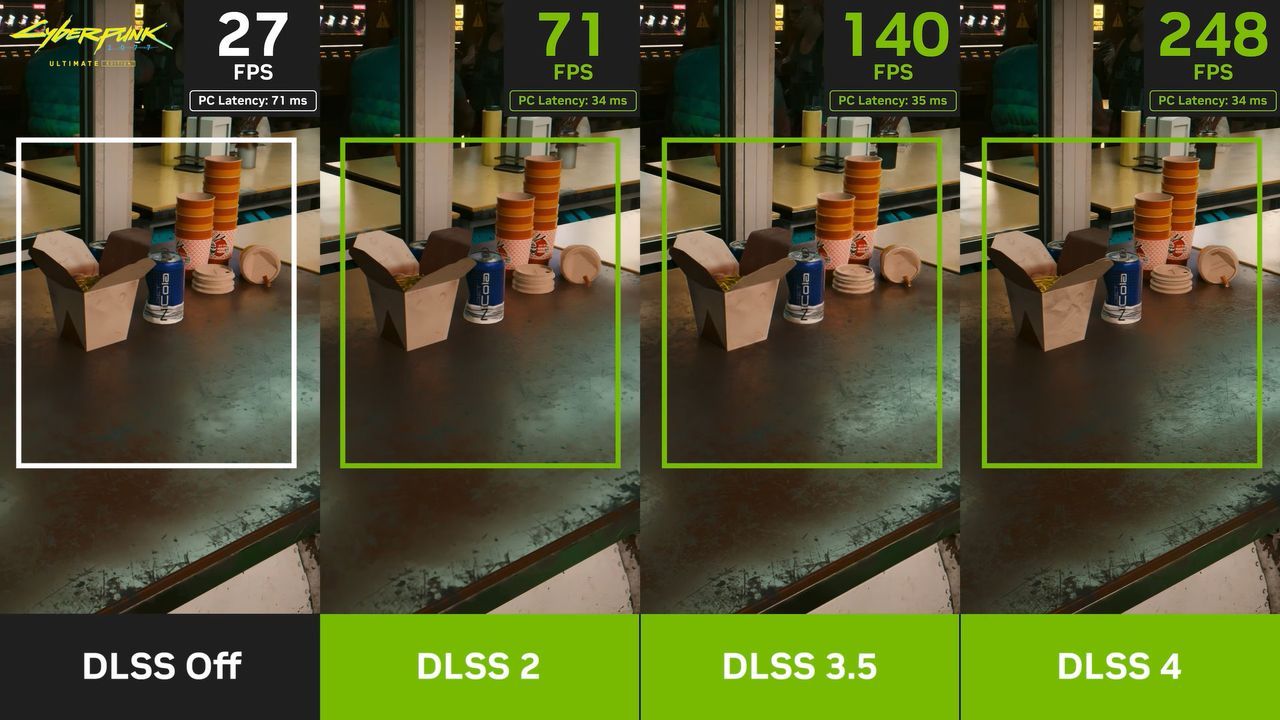
When NVIDIA unveiled the GeForce RTX 50 series, the focus was squarely on groundbreaking AI performance, particularly the promise of DLSS Multi-Frame Generation (MFG). This feature, designed to deliver smoother, more efficient gameplay, was officially locked to the new Blackwell architecture. But for a dedicated community of PC gamers, the official roadmap suddenly presented a fascinating puzzle: why couldn’t older RTX 40-series cards access this powerful feature?
NVIDIA’s initial explanation was rooted in specialized hardware. They stated that bringing Multi-Frame Generation to previous-generation cards was impossible because the GPUs relied on a specific hardware optical flow generator, which they deemed necessary for proper frame pacing. This created a seemingly insurmountable technical barrier for users looking to maximize performance on their existing high-end graphics cards.
However, as the community began probing the boundaries of what was technically possible, enterprising hackers stepped in. Despite NVIDIA’s efforts to maintain the narrative of hardware exclusivity—including pushing software updates that seemed aimed at blocking these efforts—the strength of the PC platform allowed users to freely modify the software running on their own hardware.
Enter the world of modding. Instead of waiting for official hardware updates, developers found a way around the restrictions. They discovered that the theoretical hardware dependency was perhaps overstated. By utilizing clever techniques, community members were able to backport “Blackwell-specific frame timing instructions” to Ada Lovelace GPUs, effectively bypassing the need for the dedicated hardware. This ingenious workaround allowed for the unlocking of Multi-Frame Generation across multiple titles.
The result was a remarkable demonstration of community ingenuity. Starting with specific game mods, developers expanded the technique into broader ReShade plugins, making the feature accessible across a wide range of games. This wasn’t just a theoretical achievement; user reports indicated that these modified methods delivered surprisingly smooth frame pacing, suggesting that the core performance benefits of MFG were achievable regardless of the specific hardware generation.
This pursuit of flexibility is naturally tied to other major developments in NVIDIA’s AI strategy. The ongoing discussion surrounding DLSS 5 and its “Neural Rendering” capabilities further highlights the tension between proprietary hardware announcements and the practical application of cutting-edge technology. As the industry shifts toward open-source and community-driven innovation, it remains to be seen whether NVIDIA will extend this philosophy to broader hardware support for technologies like Multi-Frame Generation in the future.
I uploaded a video on how to enable DLSS Multi-Frame Generation on my RTX 4060 GPU.I tested RE9 and Forza Horizon 6. To be honest apart from the oblivious latency increase, it works extremely well!Thanks to Sebastian Castellanos for notifying me about this mod!Video linked below pic.twitter.com/Tldr9JZIxJ
Buy on Amazon
Credit